Primary Coolant Pump Test Facility opens at Tarapur nuclear plant
Synopsis
India's oldest nuclear power plant just got a new lease on life — literally. The world's oldest operating twin reactors at Tarapur have been granted a 10-year extension after a sweeping modernisation drive, and a new indigenous test facility has been added. For a country building 22 new reactors, keeping 55-year-old units running safely is as much a statement of technological confidence as it is an energy strategy.
Key Takeaways
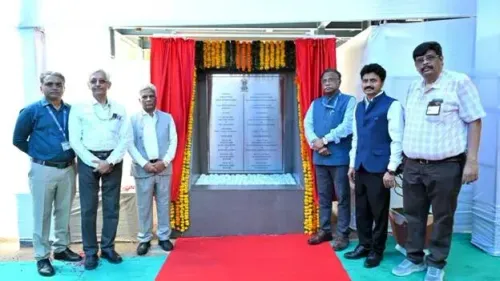
Ajit Kumar Mohanty , DAE Secretary and AEC Chairman, inaugurated the Primary Coolant Pump Test Facility at Tarapur Atomic Power Station on 17 June 2025 .
TAPS Units 1 and 2 , commissioned in 1969 , are the world's oldest operating twin nuclear reactors and the first commercial nuclear plant in Asia outside the Soviet bloc.
The Atomic Energy Regulatory Board (AERB) approved a 10-year life-extension following a comprehensive refurbishment and modernisation programme.
The reactors have generated over 100 billion units of clean electricity and avoided more than 86 million tonnes of CO₂ equivalent emissions.
The life-extension programme deployed advanced indigenous technologies for reactor integrity assessment and modernised critical electrical systems under a 'Zero Harm' philosophy.
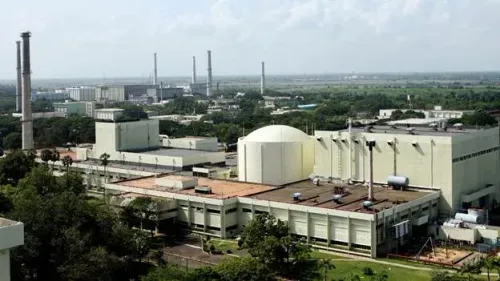
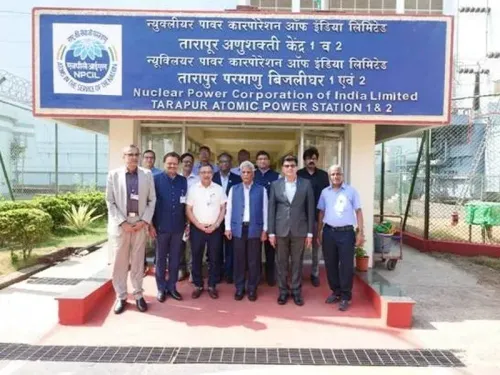
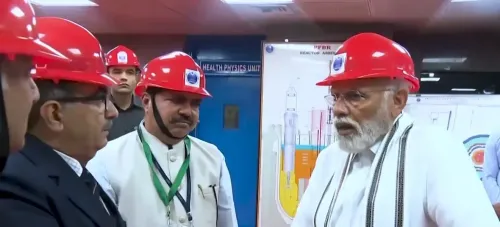
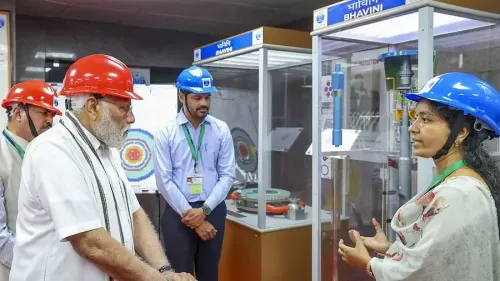
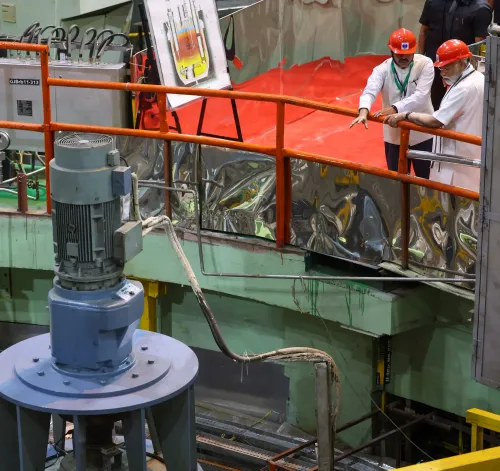
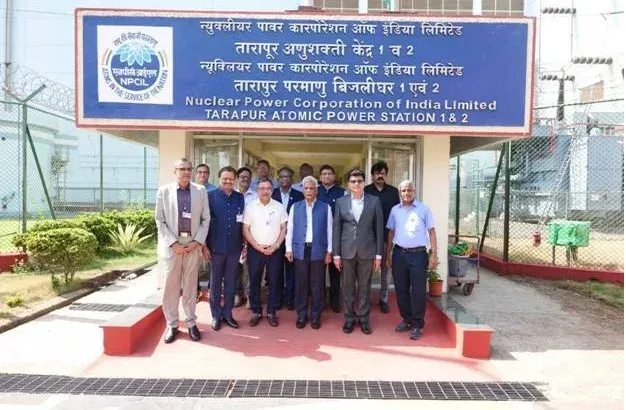
Ajit Kumar Mohanty, Secretary of the Department of Atomic Energy (DAE) and Chairman of the Atomic Energy Commission (AEC), on Wednesday, 17 June inaugurated the Primary Coolant Pump Test Facility at the Tarapur Atomic Power Station (TAPS) in Maharashtra. During the visit, Mohanty also reviewed the recently approved 10-year life-extension of TAPS Units 1 and 2 — the world's oldest operating twin nuclear reactors.
A Milestone for India's Nuclear Programme
Commissioned in 1969, TAPS 1 and 2 marked the dawn of commercial nuclear power generation in India and earned Tarapur the distinction of being the first nuclear power station in Asia outside the Soviet bloc. Over more than five decades, the station has been foundational in shaping India's nuclear engineering expertise, operational protocols, and safety culture.
The reactors have collectively generated over 100 billion units of clean electricity and have helped avoid more than 86 million tonnes of carbon dioxide equivalent emissions — a significant contribution to India's clean energy and climate commitments.
What the Life-Extension Programme Involved
The Atomic Energy Regulatory Board (AERB) recently approved the continued operation of TAPS 1 and 2 following an extensive life-extension and modernisation programme carried out under stringent regulatory oversight. The programme encompassed comprehensive inspection, refurbishment, replacement, and renewal of critical systems and components.
It also involved the deployment of advanced indigenous technologies for reactor integrity assessment, modernisation of electrical systems, and implementation of measures to further enhance long-term operational reliability and safety — all guided by a 'Zero Harm' philosophy.
What Officials Said
Addressing scientists, engineers, and personnel of the Nuclear Power Corporation of India Limited (NPCIL), Mohanty said: 'The continued operation of the world's oldest running nuclear reactors TAPS Units 1 and 2 is a testimony to the dedication of generations of scientists, engineers and operators, and the maturity of our regulatory and technological capabilities. The life-extension of a decade reflects India's transformation from technology acquisition to technological self-reliance and inspires confidence in our ability to build a sustainable and energy-independent Viksit Bharat.'
V. Rajesh, NPCIL Chairman and Managing Director (Additional Charge), said: 'Tarapur Atomic Power Station Units 1 and 2 stand as a testament to India's enduring commitment to nuclear safety and engineering excellence. Through continuous upgrades, innovation, and a strong safety culture, these units have successfully transitioned from pioneering installations to resilient assets supporting the nation's clean energy goals.'
Ajay Kumar Bhole, Tarapur Maharashtra Site Director, added: 'The successful life-extension and modernisation of TAPS 1 and 2 reflect NPCIL's technical maturity and its unwavering focus on safety. The project-mode execution with a Zero Harm philosophy demonstrates how legacy nuclear assets can be revitalised to meet present-day regulatory and technological expectations.'
Significance for India's Energy Future
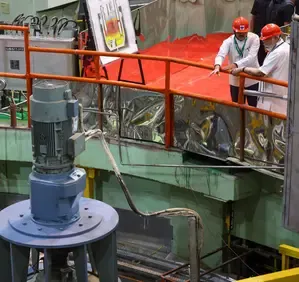
The inauguration of the Primary Coolant Pump Test Facility adds a critical indigenous testing infrastructure to TAPS, reinforcing India's push for self-reliance in nuclear technology. As India accelerates towards its Viksit Bharat vision, nuclear power is expected to play an increasingly central role in delivering reliable, round-the-clock, low-carbon electricity to a growing economy.
Notably, the life-extension of reactors that first went critical over 55 years ago signals a broader strategic shift — from dependence on imported nuclear technology to homegrown capability in reactor management, safety assessment, and component refurbishment. With India's nuclear expansion plans gaining pace, TAPS continues to serve as both a working power asset and a living laboratory for the country's atomic energy ambitions.
Point of View
And the AERB's clearance under stringent oversight adds credibility to that claim. What mainstream coverage underplays is the strategic subtext: as India negotiates new reactor deals and pushes its own pressurised heavy-water reactor design globally, keeping 55-year-old American-origin units running safely is a powerful calling card. The real question is whether the institutional knowledge being demonstrated at Tarapur is being systematically codified for the next generation of operators — because the engineers who built this expertise are retiring.
NationPress
19 Sept 2026
Frequently Asked Questions
What is the Primary Coolant Pump Test Facility at Tarapur?
It is a newly inaugurated testing infrastructure at the Tarapur Atomic Power Station designed to support the testing and validation of primary coolant pumps used in nuclear reactors. The facility strengthens India's indigenous capability in nuclear component testing and was inaugurated on 17 June by DAE Secretary Ajit Kumar Mohanty.
Why have TAPS 1 and 2 been called the world's oldest operating twin reactors?
TAPS Units 1 and 2 were commissioned in 1969, making them the longest continuously operating twin nuclear reactors in the world. They also hold the distinction of being the first commercial nuclear power station in Asia outside the Soviet bloc.
What did the 10-year life-extension of TAPS 1 and 2 involve?
The life-extension programme involved comprehensive inspection, refurbishment, and replacement of critical systems and components, deployment of advanced indigenous technologies for reactor integrity assessment, and modernisation of electrical systems. The Atomic Energy Regulatory Board approved the extension after the programme was completed under stringent regulatory oversight.
How much clean electricity have TAPS 1 and 2 generated?
Over their operational life of more than 55 years, TAPS 1 and 2 have generated over 100 billion units of clean electricity. They have also helped avoid more than 86 million tonnes of carbon dioxide equivalent emissions.
What is the significance of this development for India's energy goals?
The life-extension of TAPS 1 and 2 demonstrates India's shift from nuclear technology acquisition to self-reliance, a point emphasised by DAE Secretary Mohanty. Nuclear power is expected to play a growing role in India's Viksit Bharat vision, providing reliable, round-the-clock, low-carbon electricity as the country expands its overall nuclear capacity.