India's PFBR at Kalpakkam achieves criticality, unlocking nuclear energy future
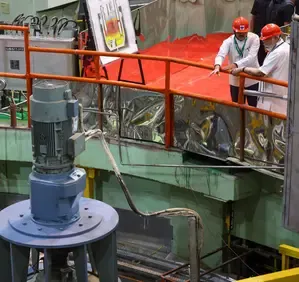
Synopsis
After two decades of effort, India's Prototype Fast Breeder Reactor at Kalpakkam has achieved criticality — completing Stage 2 of Homi Bhabha's three-stage nuclear vision. With thorium reserves that could power the country for 400 years, and a government target of 100 GW by 2047, this is arguably the most consequential energy milestone India has reached in a generation.
Key Takeaways
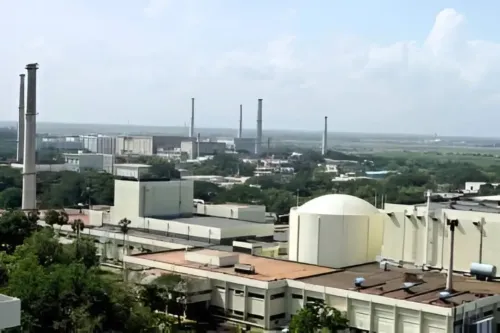
The Prototype Fast Breeder Reactor (PFBR) at Kalpakkam, Tamil Nadu has achieved criticality, marking a historic first in India's nuclear programme.
The milestone completes Stage 2 of India's three-stage nuclear roadmap conceived by Dr.
Homi Jehangir Bhabha .
The PFBR will breed Uranium-233 from thorium , enabling Stage 3 — use of India's vast thorium reserves as primary fuel.
India's current nuclear capacity is 8.78 GW (~3% of electricity generation); the government targets 100 GW by 2047 under its Nuclear Energy Mission .
Capacity is reportedly on track to exceed 22 GW within the next four to five years with international cooperation.
Thorium is estimated to be capable of powering India for up to 400 years , making Stage 3 central to long-term energy security.
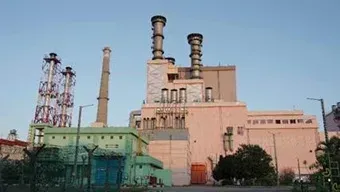
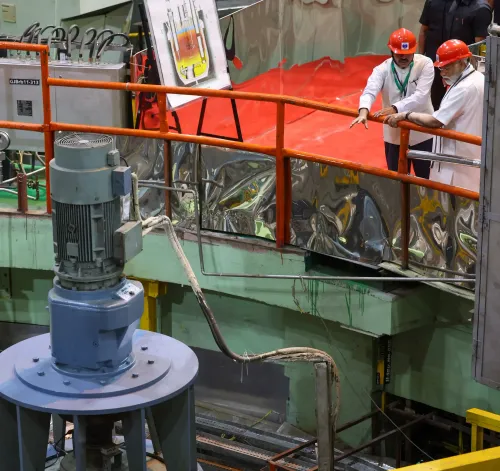
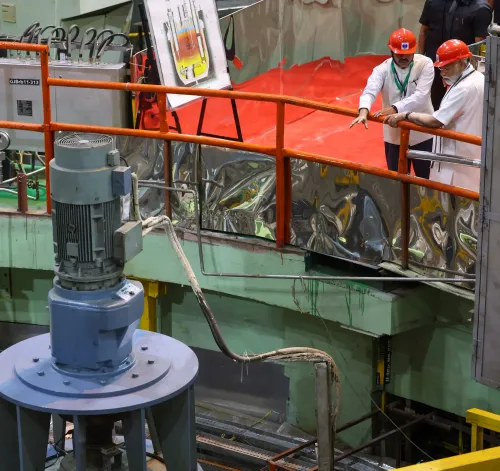
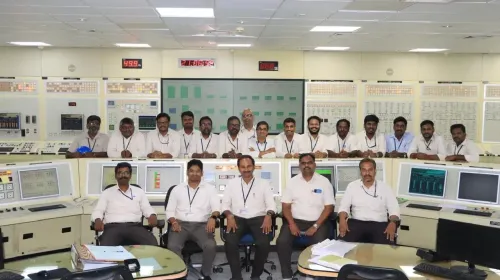
The Prototype Fast Breeder Reactor (PFBR) at Kalpakkam in Tamil Nadu has achieved criticality, marking a historic first in India's civil nuclear programme and paving the way for the country to realise long-term, self-sufficient nuclear power generation. The milestone, reached after nearly two decades of sustained scientific effort, advances India to the second stage of its ambitious three-stage nuclear power roadmap.
What Criticality Means for India
Achieving criticality means the PFBR has successfully initiated and sustained a nuclear chain reaction. Crucially, as a fast-breeder reactor, it will produce more fuel than it consumes — a self-sustaining cycle that significantly reduces dependence on imported uranium and strengthens India's energy independence. According to reports, this positions India in a select league of nations capable of operating fast-breeder reactor technology at scale.
The Three-Stage Nuclear Vision
The PFBR's criticality marks the completion of Stage 2 of India's three-stage nuclear programme, originally conceived by physicist Dr. Homi Jehangir Bhabha. In this stage, fast-breeder reactors at Kalpakkam will breed Uranium-233 from thorium, laying the groundwork for Stage 3 — where India's vast thorium reserves can be used at scale as primary fuel. Since thorium is considered a near-limitless energy source, reportedly capable of powering India for 400 years, Stage 3 is seen as the cornerstone of the country's long-term energy security strategy.
Budget Push and 100 GW Target
The breakthrough aligns closely with policy commitments at the national level. In the Union Budget 2025-26, the Centre announced a Nuclear Energy Mission with a target of achieving 100 GW of nuclear power generation capacity by 2047. India's current nuclear capacity stands at 8.78 GW, accounting for nearly 3% of total electricity generation. Efforts are reportedly underway to scale this to more than 22 GW within the next four to five years, supported by international cooperation.
Strategic and Geopolitical Significance
The timing of the achievement carries strategic weight. With energy markets under pressure due to volatility in West Asia, reducing dependence on imported fossil fuels has become a pressing national priority. According to a report by Business Report, the nuclear breakthrough will go a long way in making India self-sufficient, particularly given the thrust provided by the Budget 2025-26. By advancing towards clean and reliable nuclear power, India is reportedly insulating itself from external energy shocks while laying the groundwork for sustained economic growth.
What Comes Next
With Stage 2 now underway, the scientific and policy focus will shift towards operationalising thorium-based reactors under Stage 3 — a transition that could fundamentally reshape India's energy mix. The PFBR at Kalpakkam is expected to serve as the template for a broader fleet of fast-breeder reactors, with the next phase of expansion hinging on both domestic capability and international partnerships.
Point of View
And Stage 3 is where India's thorium advantage becomes a genuine energy superpower narrative. The risk, however, lies in execution timelines — India has repeatedly set ambitious nuclear capacity targets that slipped by years. The jump from 8.78 GW today to 100 GW by 2047 requires not just scientific readiness but regulatory speed, financing scale, and consistent political will that has historically been uneven.
NationPress
24 Sept 2026
Frequently Asked Questions
What is the Prototype Fast Breeder Reactor (PFBR) at Kalpakkam?
The PFBR is an advanced nuclear reactor at Kalpakkam in Tamil Nadu that breeds more fuel than it consumes. Its recent achievement of criticality marks the completion of Stage 2 of India's three-stage nuclear programme, enabling the country to generate nuclear energy using domestically available resources.
What does achieving criticality mean?
Achieving criticality means the reactor has successfully initiated and sustained a self-sustaining nuclear chain reaction. For the PFBR, this confirms it can operate as a fast-breeder reactor, producing more fissile fuel than it uses — a key step towards energy self-sufficiency.
What is India's three-stage nuclear programme?
Conceived by physicist Dr. Homi Jehangir Bhabha, India's three-stage nuclear programme moves from natural uranium reactors (Stage 1) to fast-breeder reactors using plutonium (Stage 2) and finally to thorium-based reactors (Stage 3). The PFBR's criticality advances India into Stage 2, with Stage 3 set to harness India's large thorium reserves.
What is India's nuclear power target by 2047?
The Union Budget 2025-26 announced a Nuclear Energy Mission targeting 100 GW of nuclear power generation capacity by 2047. India's current nuclear capacity stands at 8.78 GW, with efforts reportedly underway to scale it beyond 22 GW in the next four to five years.
Why is thorium important for India's energy future?
India holds some of the world's largest thorium reserves, estimated to be capable of powering the country for up to 400 years. Stage 3 of the nuclear programme will use Uranium-233 bred in Stage 2 as fuel to unlock these thorium reserves at scale, making it central to India's long-term energy security.