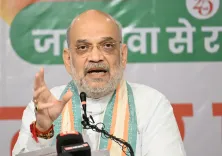
Dr. Neelam Goyal: Kalpakkam Reactor's Criticality a Major Leap for Atmanirbhar Bharat

Synopsis
Nuclear energy expert Dr. Neelam Goyal praises the criticality achievement at the Kalpakkam PFBR as a momentous advancement for India's self-reliance in energy. This development could significantly reduce dependence on imported fuels, paving the way for a more sustainable future.
Key Takeaways
Kalpakkam reactor achieves criticality, marking a pivotal moment for India's nuclear energy.
Significant potential for reducing dependence on imported fuels.
Thorium reserves can be utilized for sustainable energy development.
Investment in nuclear energy can lead to affordable electricity for all.
Public perception of nuclear energy needs addressing to enhance acceptance.
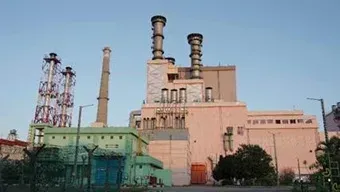
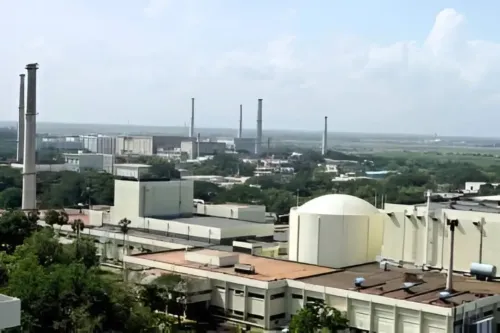
Surat, April 7 (NationPress) Renowned nuclear energy specialist Dr. Neelam Goyal referred to the successful achievement of criticality at the Prototype Fast Breeder Reactor (PFBR) located in Kalpakkam, Tamil Nadu, as a significant triumph for India and a crucial milestone towards 'Atmanirbhar Bharat'.
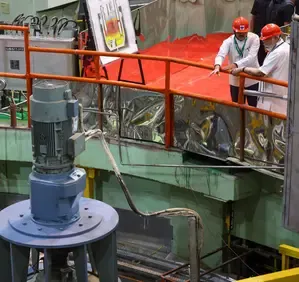
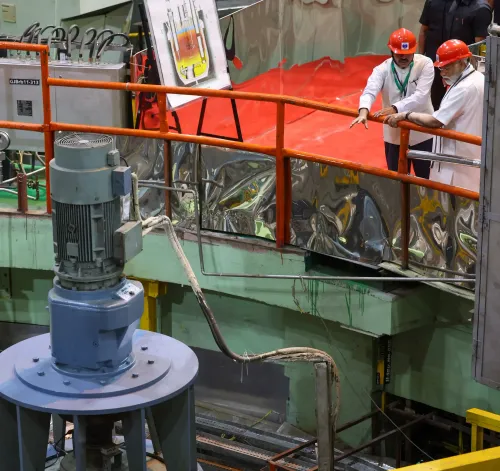
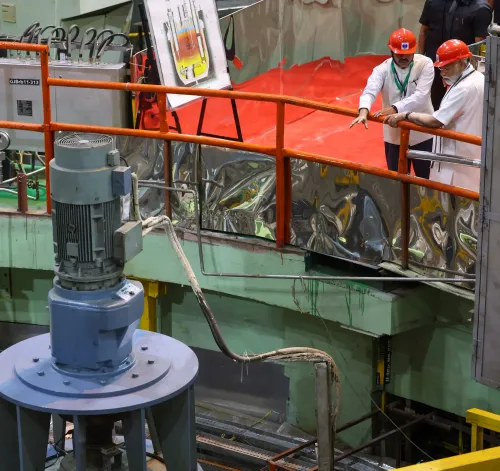
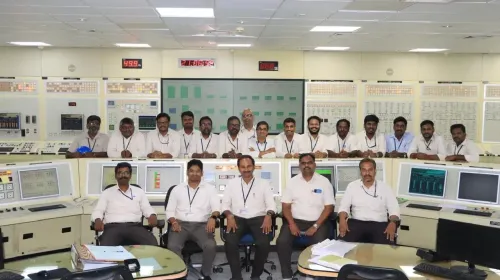
The indigenously developed Prototype Fast Breeder Reactor (PFBR) reached its first criticality on April 6, signifying the commencement of a sustained nuclear chain reaction.
In a conversation with IANS, Goyal emphasized that India's economy is fundamentally supported by three sectors: agriculture, industry, and services.
She stated, "Electricity is the backbone of all three sectors. Currently, 70% of our electricity is sourced from coal, predominantly imported from Indonesia, along with gas from Qatar."
According to her, "This reactor will be pivotal for nuclear energy. India holds 85% of the global nuclear fuel supply, yet relies on uranium imports from countries such as Australia, Kazakhstan, and Mongolia for our 24 operational reactors."
Notably, while India's uranium reserves are limited, the nation possesses one of the largest Thorium reserves globally. To optimize these resources, the Department of Atomic Energy has initiated a three-stage nuclear power program centered on a closed nuclear fuel cycle. The aim is to progressively enhance domestic fissile resources and achieve long-term energy autonomy.
Goyal elaborated that Thorium is a fertile element and converting it into fissile material requires a small quantity of uranium.
"Uranium serves as the fuel for the first phase of the nuclear power initiative, with the leftover fuel being Plutonium, utilized in the second stage of nuclear electricity generation at Kalpakkam," she explained.
She outlined how India could attain self-sufficiency and reduce reliance on coal and gas imports.
"If water, electricity, and food processing facilities are established in rural areas, farmers' incomes could increase by approximately 10%."
Goyal asserted that increasing demand will lead to industrial growth, which will necessitate more electricity. "Nuclear energy is the most viable option for this. The funds spent on importing gas and electricity could be conserved," she noted.
According to the expert, the establishment of bio-gas plants in hundreds of villages could fulfill 70% of the gas demand locally.
She added, "In urban areas, utilizing electric stoves for cooking can help lessen our dependence on imported gas."
She remarked that the ongoing conflict in West Asia has resulted in a gas crisis in India, alongside soaring coal prices.
Furthermore, Goyal believes India can minimize coal dependency by establishing nuclear energy facilities across 650 districts, each featuring Small Modular Reactors (SMRs) of 300MW capacity.
"This approach will provide affordable electricity to the populace," she concluded.
Additionally, she acknowledged public apprehension regarding nuclear energy compared to solar energy.
However, she emphasized that India's nuclear power plants have been operational for years without any significant incidents reported.
Point of View
The attainment of criticality at the Kalpakkam reactor signifies a pivotal moment for India's energy strategy. It underscores the nation's commitment to harnessing indigenous resources and reducing dependence on foreign energy supplies, aligning with the broader goal of achieving self-sufficiency.
NationPress
14 Sept 2026
Frequently Asked Questions
What is the significance of the Kalpakkam reactor attaining criticality?
The achievement of criticality at the Kalpakkam reactor marks the initiation of a sustained nuclear chain reaction, representing a major advancement in India's nuclear energy capabilities.
How does nuclear energy contribute to India's economy?
Nuclear energy plays a crucial role by providing a stable and reliable electricity supply, which is essential for the growth of agriculture, industry, and services.
What resources does India have for nuclear energy?
India holds a significant percentage of the world's Thorium reserves, which can be utilized in the three-stage nuclear power program designed for energy independence.
How can India reduce its dependence on imported fuels?
By investing in nuclear energy and establishing facilities across the country, India can enhance domestic energy production and lessen reliance on imported coal and gas.
What are the benefits of establishing bio-gas plants in villages?
Bio-gas plants can fulfill a significant portion of the gas demand in rural areas, promoting local energy production and increasing farmers' incomes.