IEA Celebrates Milestone of India's Closed Fuel Cycle: PM Modi's Fast Breeder Reactor
Synopsis
The IEA has recognized India and PM Modi for the first criticality of the 500 MWe Prototype Fast Breeder Reactor, marking a significant advancement in nuclear technology and the journey towards a sustainable closed fuel cycle.
Key Takeaways
IEA commends India for the criticality of the PFBR.
The reactor uses less nuclear fuel than conventional reactors.
It supports a closed fuel cycle through recycling.
PM Modi highlights the significance of this technological milestone .
The PFBR is key to utilizing thorium reserves .
New Delhi, April 8 (NationPress) The International Energy Agency (IEA) has commended India and Prime Minister Narendra Modi for the successful attainment of the first criticality of the 500 MWe Prototype Fast Breeder Reactor (PFBR), describing it as a significant technological achievement.
In a statement on X, the IEA acknowledged the hard work of Indian scientists and engineers in reaching this milestone after extensive development.
The agency noted that this reactor will consume much less nuclear fuel compared to traditional reactors and will serve as a crucial step towards establishing a closed fuel cycle.
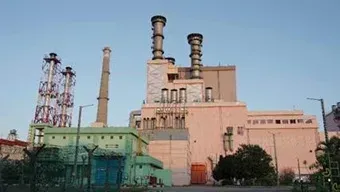
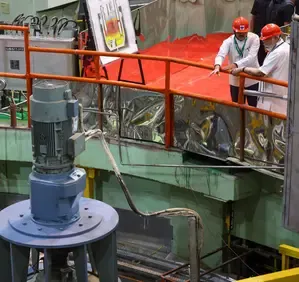
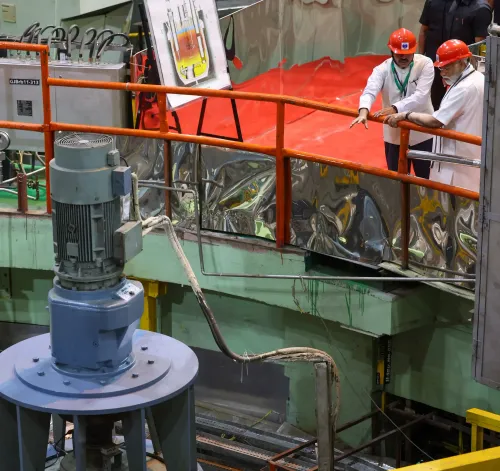
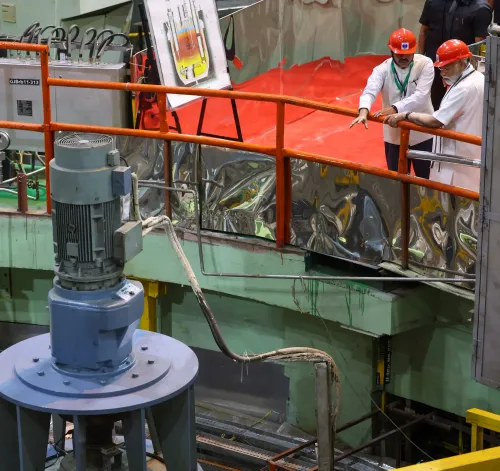
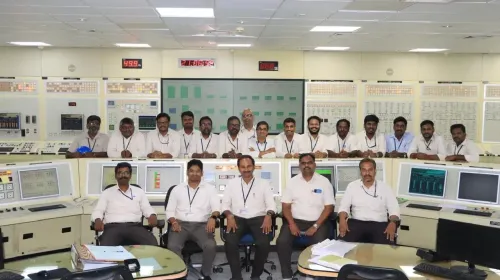
This commendation follows the PFBR's attainment of first criticality on Monday at the Kalpakkam facility, indicating the initiation of a controlled nuclear fission chain reaction.
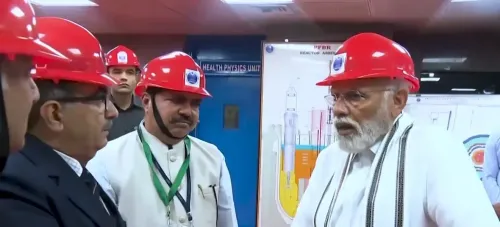
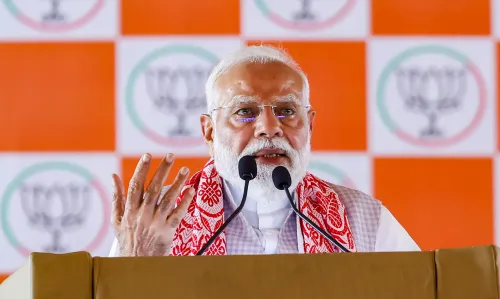
Previously, PM Modi hailed this milestone as a “defining step” in India’s civil nuclear progression.
He emphasized that this development propels the second phase of India’s three-stage nuclear program.
“The indigenously designed and constructed Prototype Fast Breeder Reactor at Kalpakkam has achieved criticality,” the Prime Minister stated in a post on X.
He added that this advanced reactor, which can produce more fuel than it consumes, showcases the nation’s scientific and engineering capabilities and marks a decisive move towards tapping into the extensive thorium reserves in the program's third phase.
“A proud moment for India. Kudos to our scientists and engineers,” he stated.
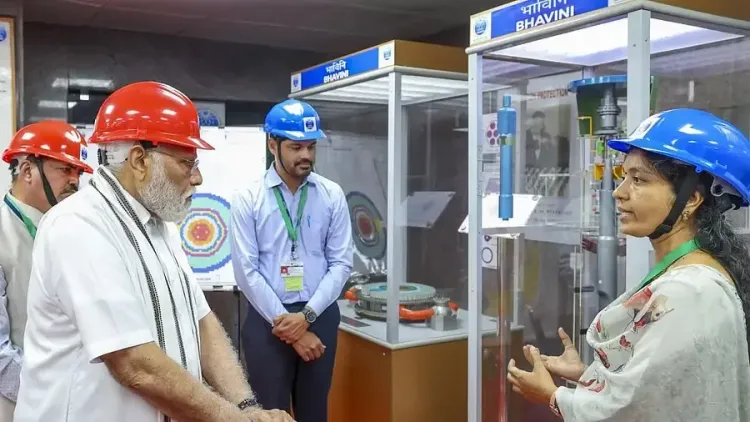
This homegrown reactor was developed by the Indira Gandhi Centre for Atomic Research (IGCAR) and constructed by Bharatiya Nabhikiya Vidyut Nigam Ltd (BHAVINI), a public sector entity under the Department of Atomic Energy.
Fast breeder reactors are vital to India’s nuclear strategy, as they can produce more fissile material than they consume, enhancing fuel efficiency and sustainability.
Officials indicated that the PFBR will also facilitate the long-term vision of utilizing India’s rich thorium reserves and enable a closed fuel cycle by recycling nuclear materials and minimizing waste.
Frequently Asked Questions
What is the significance of the PFBR's first criticality?
The first criticality of the PFBR is a crucial milestone that indicates the successful initiation of a controlled nuclear fission chain reaction, marking progress towards a sustainable energy future.
How does the PFBR contribute to India's nuclear program?
The PFBR is pivotal in India's nuclear program as it produces more fissile material than it consumes, supporting the goals of fuel efficiency and sustainability.
Who developed the PFBR?
The Prototype Fast Breeder Reactor was developed by the Indira Gandhi Centre for Atomic Research (IGCAR) and constructed by Bharatiya Nabhikiya Vidyut Nigam Ltd (BHAVINI).
What are the benefits of a closed fuel cycle?
A closed fuel cycle allows for the recycling of nuclear materials, reducing waste and maximizing the utilization of resources.
What role does thorium play in India's nuclear strategy?
Thorium is a vital resource for India's nuclear strategy, particularly in the third phase of the program, aimed at harnessing its vast reserves for sustainable energy.