CM Majhi Promises Full Relief for Cyclone Arnab Victims
Synopsis
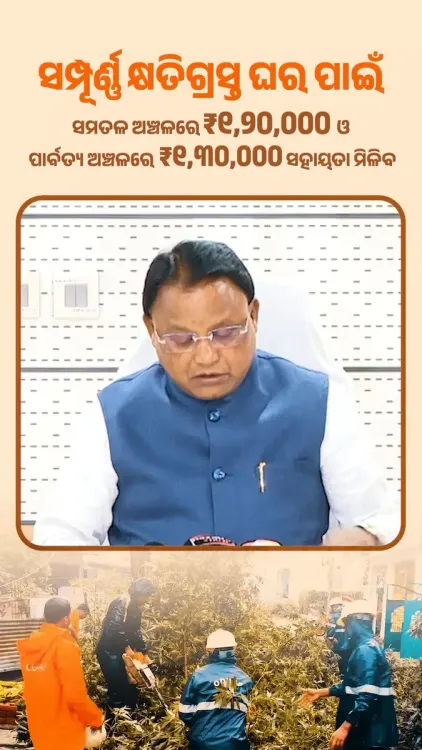
Odisha Chief Minister Mohan Charan Majhi has announced state government financial assistance for Cyclone Arnab-affected families, covering full house reconstruction, partial repairs, clothing, and household utensils, pledging to restore safety and dignity to every impacted home.
Key Takeaways
CM Mohan Charan Majhi announced financial relief for all families affected by Cyclone Arnab on 2 November 2026 .
Aid covers full house reconstruction for completely destroyed homes and repair funds for partially damaged structures.
Support also includes clothing and household utensils , addressing everyday essentials lost in the storm.
The relief model mirrors Odisha's post-Cyclone Fani (2019) framework, funded through the State Disaster Response Fund .
CM Majhi framed the mission as restoring safety, dignity, and normal life for every affected family.
Timelines for damage assessment surveys and disbursement will determine the pace of actual recovery.
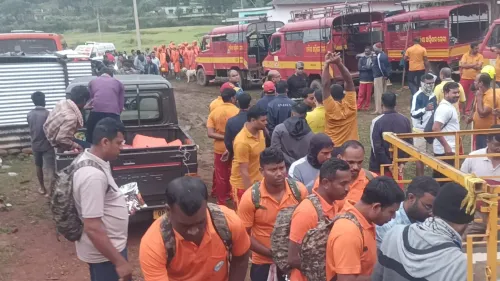
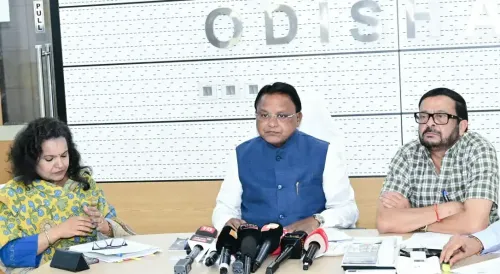
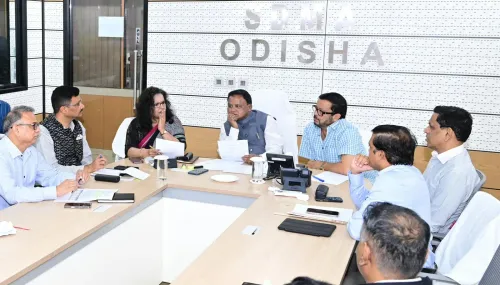
When a cyclone tears through a coastal community, the storm is only the first blow — the second is the silence that follows, when families are left staring at rubble. Odisha Chief Minister Mohan Charan Majhi moved swiftly on Monday, 2 November 2026, announcing that the state government will provide comprehensive financial assistance to every family affected by Cyclone Arnab — covering house reconstruction, repairs, clothing, and household utensils.
In his post, CM Majhi stated: 'ପ୍ରତ୍ୟେକ ପ୍ରଭାବିତ ପରିବାରର ସୁରକ୍ଷା, ସମ୍ମାନ ଓ ସ୍ୱାଭାବିକ ଜୀବନଯାତ୍ରା ଫେରାଇ ଆଣିବା ଆମର ପ୍ରାଥମିକତା' — 'Restoring the safety, dignity, and normal lives of every affected family is our priority.' The declaration covers the full spectrum of cyclone damage: from families whose homes were completely destroyed to those who suffered partial structural damage, with support also earmarked for basic essentials lost in the storm.What the Relief Package Covers
The announcement breaks the assistance into distinct categories. Families whose houses were fully damaged will receive funds for complete reconstruction. Those with partially damaged homes will be covered for repairs. Critically, the package also addresses clothing and household utensils — items that large-scale disaster relief frameworks sometimes overlook but that are essential to restoring any semblance of daily life.
This tiered approach draws directly from Odisha's own disaster relief architecture, refined over decades of confronting Bay of Bengal cyclones. After Cyclone Fani in 2019 — one of the most powerful storms to strike the Indian subcontinent in recent memory — the state deployed a similar model of layered financial support under State Disaster Response Fund norms, covering housing, repairs, and household essentials for verified beneficiaries.
Odisha's Hard-Won Disaster Playbook
Odisha sits squarely in the cyclone corridor along India's eastern coastline, and successive state governments have built institutional muscle around post-storm relief and rehabilitation. The state's disaster management protocols are regarded as among the most evolved in the country — pre-positioning of relief materials, rapid damage assessment surveys, and direct benefit transfers to affected households have become standard operating procedure.
The critical variable now is execution: damage assessment surveys must be completed quickly, beneficiary lists verified, and funds disbursed before affected families are forced into longer-term displacement. Those timelines will define whether the announcement translates into real recovery on the ground.
For the families of Cyclone Arnab, the government's commitment is on record. The measure of it will be the speed at which the first rupee reaches the first family still sleeping in a broken home.
Point of View
Accountable governance. Announcing aid is the easy part; the harder test is disbursement speed and coverage completeness, areas where past state governments have faced legitimate criticism. The inclusion of clothing and utensils in the relief package signals an attempt to project a more holistic, resident-first approach. If delivery matches the declaration, it reinforces Odisha's national reputation as a disaster-management model state — and gives Majhi a tangible governance win early in his tenure.
NationPress
2 Nov 2026
Frequently Asked Questions
What relief has the Odisha government announced for Cyclone Arnab victims?
The Odisha government will provide financial assistance for complete house reconstruction for fully destroyed homes, repair funds for partially damaged houses, and support for clothing and household utensils for all affected families.
Who announced the Cyclone Arnab relief package in Odisha?
Odisha Chief Minister Mohan Charan Majhi announced the relief package on 2 November 2026 via a post on X.
How does Odisha fund disaster relief for cyclone-affected families?
Odisha draws on the State Disaster Response Fund and established post-cyclone protocols developed over years of experience with Bay of Bengal storms, including after Cyclone Fani in 2019 .
Will partially damaged homes also get financial aid after Cyclone Arnab?
Yes. CM Majhi confirmed that repair assistance will be provided for partially damaged homes, in addition to full reconstruction support for homes that were completely destroyed.
What is the next step after the Cyclone Arnab relief announcement?
The key next steps are damage assessment surveys to verify and enumerate affected families, followed by actual disbursement of reconstruction and repair funds to verified beneficiaries.