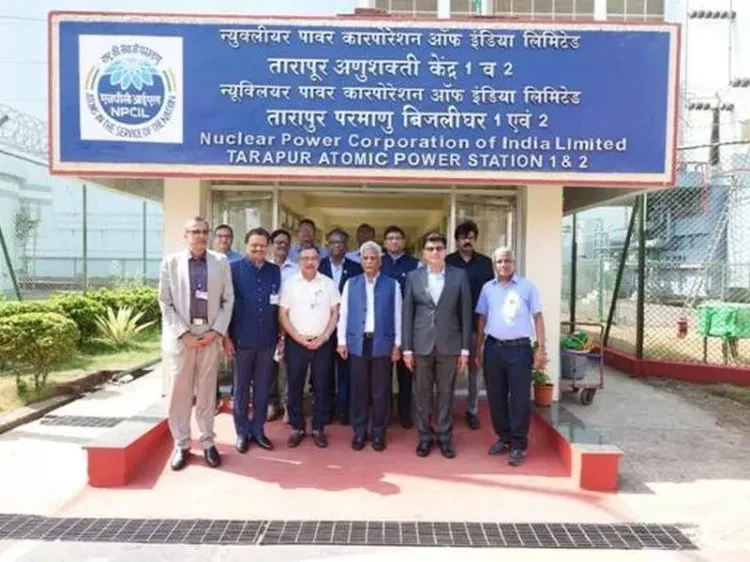
Tarapur nuclear units 1 & 2 back on grid after 5-year refurbishment
Synopsis
The world's oldest operating nuclear units — Tarapur units 1 and 2, commissioned in 1969 — are back on India's grid after a five-year refurbishment that replaced reactor coolant piping and added critical safety systems. Their return, backed by the new SHANTI Bill 2025, signals India's intent to sweat legacy nuclear assets while building toward a 22 GW nuclear capacity target by FY2032.
Key Takeaways
Tarapur Atomic Power Station units 1 and 2 — the world's oldest operating nuclear units, commissioned in 1969 — have been reconnected to India's grid.
Both units were offline since 2020 and were downrated from 200 MWe to 160 MWe (gross) as part of the refurbishment.
The overhaul included full replacement of reactor coolant recirculation piping with advanced corrosion-resistant stainless steel and commissioning of new safety systems.
The Atomic Energy Regulatory Board (AERB) approved unit 2's resumption on 7 May .
The SHANTI Bill 2025 replaces India's 1962 and 2010 nuclear laws with a unified framework, expected to accelerate project execution.
India's nuclear capacity is projected to reach approximately 22 GW by FY2032 .
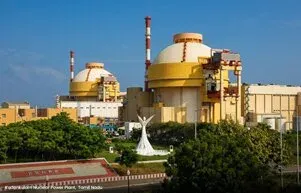
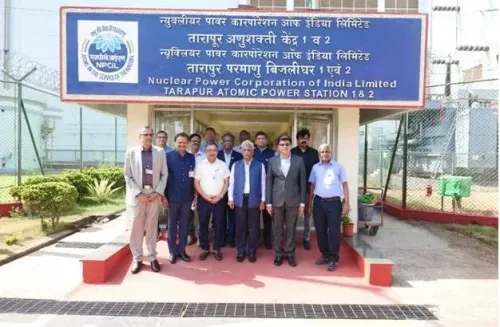
India's Tarapur Atomic Power Station (TAPS) units 1 and 2 — the world's oldest operating nuclear units — have been reconnected to the national grid following extensive modernisation and refurbishment, according to a report citing the Nuclear Power Corporation of India Limited (NPCIL). The restart marks a significant moment for India's nuclear energy programme, with the units having remained offline since 2020.
Background: The World's Oldest Operating Reactors
Commissioned in 1969, Tarapur units 1 and 2 are boiling water reactor (BWR) units that have been in service for over five decades. As part of the refurbishment programme, both units were downrated from 200 MWe to 160 MWe (gross). Their return to service underscores India's commitment to maximising the lifespan of existing nuclear assets while upgrading safety standards.
What the Refurbishment Involved
The overhaul was comprehensive in scope. It included the complete replacement of reactor coolant recirculation piping with forged piping and fittings made of advanced corrosion-resistant stainless steel. Safety upgrades were also a priority — the commissioning of the reactor containment filtered venting system and the alternate cooling water system were completed as part of the works.
The Atomic Energy Regulatory Board (AERB) approved the operational resumption of unit 2 on 7 May after NPCIL completed all refurbishment activities. NPCIL described the restart of both units as 'a major milestone in India's nuclear power program,' adding that it 'reaffirms the enduring legacy of India's first nuclear power station and reflects the dedication and technical expertise of Team NPCIL.'
Policy Context: The SHANTI Bill 2025
The reconnection comes amid a broader legislative push to strengthen India's nuclear energy ecosystem. India's Sustainable Harnessing and Advancement of Nuclear Energy for Transforming India (SHANTI) Bill, 2025, has been described as a structural step forward for the sector. The bill replaces the Atomic Energy Act, 1962, and the Civil Liability for Nuclear Damage Act, 2010, with a unified legal framework governing development, safety, security, safeguards, and nuclear liability. Analysts expect the legislation to improve project execution timelines going forward.
India's Nuclear Expansion Outlook
Despite the milestone at Tarapur, India's nuclear capacity growth is expected to remain gradual. According to a recent report, nuclear capacity is projected to rise to approximately 22 GW by FY2032, accounting for projects currently under implementation and planning. This comes amid growing national emphasis on clean energy and energy security, with nuclear power seen as a stable baseload complement to intermittent renewables.
The revival of Tarapur's oldest units, combined with the SHANTI Bill's reform push, signals that India is simultaneously sweating its legacy nuclear assets and building the regulatory foundation for the next generation of capacity.
Point of View
A target that demands far faster capacity addition than the historical pace. The SHANTI Bill's unification of the legal framework is necessary but not sufficient — land acquisition, supply chain depth, and financing models remain unresolved. The Tarapur milestone is a confidence signal, not a capacity solution.
NationPress
19 Sept 2026
Frequently Asked Questions
Which Tarapur units have been reconnected to the grid?
Tarapur Atomic Power Station units 1 and 2 have been reconnected to India's national grid. These boiling water reactor units, commissioned in 1969, are the world's oldest operating nuclear units and had been offline since 2020 for major refurbishment work.
What did the Tarapur refurbishment involve?
The refurbishment included the complete replacement of reactor coolant recirculation piping with forged, corrosion-resistant stainless steel piping and fittings. Safety upgrades such as the reactor containment filtered venting system and an alternate cooling water system were also commissioned during the works.
Who approved the restart of Tarapur unit 2?
The Atomic Energy Regulatory Board (AERB) approved the operational resumption of unit 2 on 7 May, after NPCIL completed all required refurbishment activities.
What is the SHANTI Bill 2025 and how does it relate to nuclear power?
The SHANTI Bill 2025 — Sustainable Harnessing and Advancement of Nuclear Energy for Transforming India — replaces the Atomic Energy Act, 1962, and the Civil Liability for Nuclear Damage Act, 2010, with a single unified legal framework. It is expected to strengthen India's nuclear power ecosystem and improve project execution timelines.
What is India's nuclear capacity target by FY2032?
India's nuclear capacity is projected to reach approximately 22 GW by FY2032, according to recent reports, accounting for projects currently under implementation and in the planning stage.