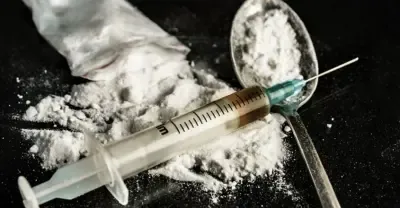
Thai Drug Cartels Expanding Operations in Southern India
Synopsis
Investigations reveal that drug cartels from Thailand are increasingly infiltrating the southern regions of India, with significant implications for the country's narcotics landscape. This article delves into the alarming rise of these operations and their impact on local communities.
Key Takeaways
Thai drug cartels are expanding their operations in southern India.
Kerala has become a major hub for narcotics trafficking.
Local operatives are increasingly involved in managing these syndicates.
Authorities are enhancing efforts to combat drug distribution networks.
The use of dark web and cryptocurrency is growing among traffickers.
New Delhi, March 3 (NationPress) Investigations into multiple narcotics cases across India, particularly in the southern regions, are increasingly revealing connections to cartels operating out of Thailand. While Thailand is a significant market for drug consumption, various cartels are actively engaging in illicit trade within India.
Authorities have discovered that Thai cartels wield considerable influence in numerous Indian states, with their operations in South India growing markedly over recent years.
Interestingly, it has come to light that these Thai cartels are not solely managed by locals; in many instances, operations originating from Thailand are being directly overseen by Indians.
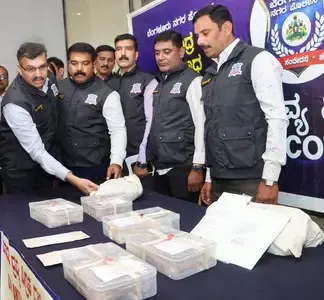
The Narcotics Control Wing of the Central Crime Branch (CCB), under the jurisdiction of the Bengaluru Police, recently dismantled a drug syndicate, resulting in the arrest of two individuals involved in interstate drug trafficking.
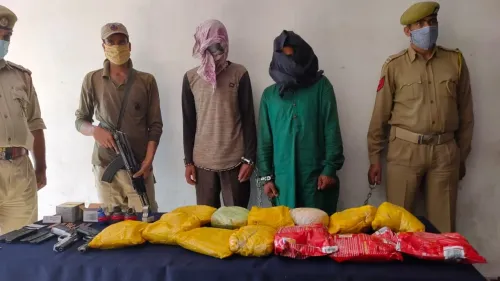
The suspects, identified as Ashwin and Mubeena, were apprehended while distributing drugs in Karnataka. Authorities discovered LSD strips and charas in their possession.
Both individuals, hailing from Kerala, had been residing in Karnataka for a year and were orchestrating illegal drug distribution networks under the directives of their Thailand-based superiors.
Preliminary investigations revealed that the arrested individuals were in contact with a Kerala-based operative in Thailand, receiving drug supplies from him. Upon receipt, they would distribute the drugs throughout the state.
An official noted that a few years ago, Punjab faced the brunt of the drug issue. However, the narcotics market has since exploded in Kerala, with over 27,700 cases registered in 2024 alone under the Narcotic Drugs Psychotropic Substances Act (NDPS). In contrast, the number of cases in Punjab during the same timeframe was only a third of those in Kerala.
While operatives based in Pakistan mainly target northern states, cartels from Mexico, China, and Thailand are increasingly active in southern India.
States like Tamil Nadu and Kerala have emerged as prime locations for smuggling drugs from countries like Thailand. Drugs smuggled from Mexico, often aided by Chinese cartels and Myanmar nationals, predominantly consist of methamphetamine, which has a high demand in southern Indian states.
A significant portion of the consignments reaching the Andaman and Nicobar Islands is then redirected to southern states before being distributed across the country, even reaching Myanmar.
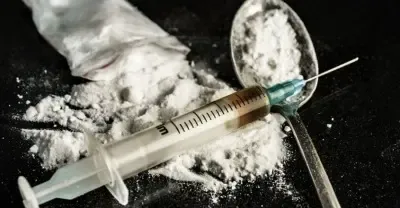
The most commonly trafficked drugs from Thailand include LSD, charas, and cocaine. Thai cartels have identified Kerala as a crucial entry point for their operations in India, capitalizing on the state's extensive coastline of 590 kilometers, which heightens its vulnerability to smuggling.
From Kerala, drugs originating from Thailand are often funneled into Tamil Nadu and Karnataka, as noted by officials.
Despite establishing a stronghold in the southern market, Thai cartels have been found extending their reach into states like Maharashtra to expand their operations. Recently, Pune Police uncovered a module linked to drug trafficking from Thailand and Bhutan. This syndicate was involved in an international drug distribution network. Following the arrest of five individuals associated with this case, investigators found that they were utilizing the dark web and hawala systems for transactions.
Moreover, it was discovered that these individuals had employed cryptocurrency and the dark web to procure LSD and marijuana, smuggling them into India. The drugs were sourced from Thailand and subsequently distributed in Pune, Assam, and Bhutan.
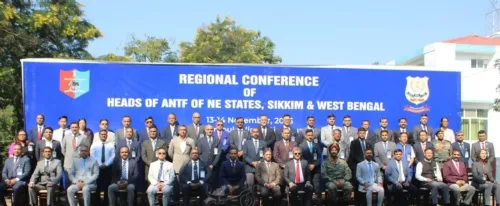
An official from the Intelligence Bureau remarked that the current drug market in India is highly congested. Over the years, agencies have primarily focused on dismantling the Dawood Ibrahim syndicate. Today, numerous players and cartels from Thailand, often led by Indian operatives, pose a significant threat as they strive to inundate the markets with their contraband. The official emphasized that relevant agencies are collaborating closely with their counterparts across states to combat this growing menace.
Point of View
The infiltration of Thai drug cartels into southern India signifies a critical juncture in the country's ongoing battle against narcotics. The rise of local operatives collaborating with foreign syndicates illustrates the need for enhanced vigilance and inter-agency cooperation to safeguard communities and combat this escalating crisis.
NationPress
7 Oct 2026
Frequently Asked Questions
What role do Thai cartels play in India's drug trade?
Thai cartels are increasingly influential in India's drug trade, particularly in southern states, where they engage in the trafficking and distribution of narcotics such as LSD, charas, and cocaine.
How has the drug problem evolved in India?
While Punjab was once the epicenter of India's drug crisis, Kerala has seen a significant surge in narcotics cases, surpassing even Punjab in the number of registered cases.
What methods do drug traffickers use to operate?
Traffickers often employ the dark web and hawala networks for transactions, and some are even utilizing cryptocurrency to facilitate their operations.
Which states are most affected by drug trafficking?
States such as Tamil Nadu and Kerala are particularly vulnerable due to their geographical proximity to Thailand and extensive coastlines, making them hotspots for smuggling.
What steps are authorities taking to combat drug trafficking?
Authorities are collaborating with various agencies to dismantle drug networks, focusing on enhancing surveillance and inter-state cooperation to curb the rising tide of narcotics.