How Are Drones and Female Couriers Transforming the Narco-Terror Pipeline in J&K?
Synopsis
A shocking trend reveals the growing involvement of women in drug trafficking in Jammu and Kashmir, with Pakistani syndicates adapting strategies to evade law enforcement. This article delves into the changing dynamics of narco-terrorism and the implications for national security.
Key Takeaways
Crackdown: 2025 saw a significant increase in police activity against narcotics in Jammu and Kashmir.
Women Involvement: There’s a growing trend of women participating in drug trafficking networks.
Drone Usage: Drones have become a popular method for smuggling drugs into the region.
Adapting Strategies: Syndicates are changing their tactics to evade law enforcement.
Intelligence Vigilance: Agencies are on high alert for increasing drug smuggling activities.
New Delhi, Jan 10 (NationPress) Authorities are actively investigating the rising narcotics cases in Jammu and Kashmir. According to officials, syndicates based in Pakistan are the primary sources of drugs entering the region.
They exploit vulnerabilities along the borders to smuggle narcotics into the Union Territory. Recent investigations have revealed that drugs are being trafficked into Punjab and then transported by road to J&K.
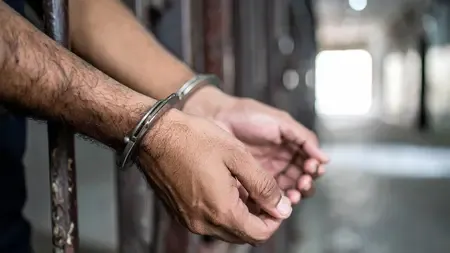
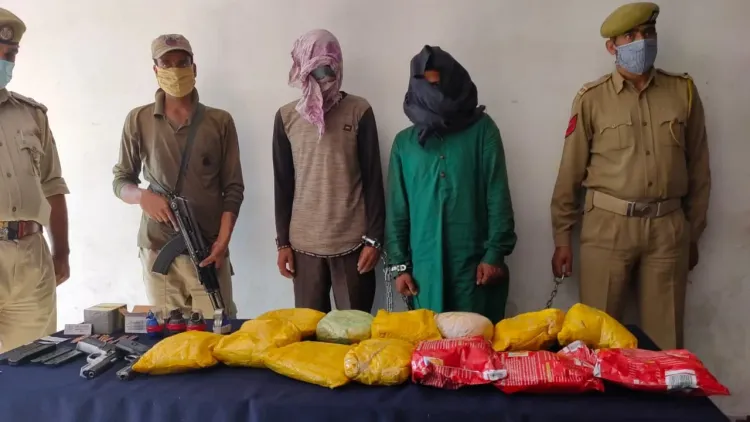
The year 2025 marked a significant crackdown by the Jammu and Kashmir police, resulting in approximately 1,000 cases filed under the Narcotics Drugs and Psychotropic Substances (NDPS) Act, with around 1,400 arrests made, including key suppliers and peddlers.
However, a surprising development emerged in 2025 with an increase in the involvement of women and couples in drug trafficking. The police detained 35 women in Jammu, discovering many were part of an all-female network designed to evade law enforcement.
This trend of all-women networks is reportedly a tactic encouraged by the ISI, which is also fostering all-female terrorist networks through groups like Jaish-e-Mohammed and Lashkar-e-Taiba. Thus, it is not unexpected that the ISI is attempting to replicate this strategy within the narcotics trade, an official noted.
In response to intensified crackdowns, these syndicates adapted their approaches, establishing all-women networks and employing couples for drug distribution. These changes complicate detection efforts, as familial ties provide cover for illicit activities. A notable example is the Faridabad module, where Dr. Shaheed Saeed was pivotal in its formation, frequently visiting Jammu and Kashmir to meet Maulvi Irfan Ahmed. Her role in radicalizing members while eluding detection due to her profession as a doctor and her gender highlights the challenges faced by law enforcement.
An official from the Intelligence Bureau indicated that this strategy has proven effective for the ISI, prompting them to integrate more women into their operational framework, as they tend to be more adept at recruitment.
In the realm of drug trafficking in Jammu and Kashmir, women have shown a particular ease in recruitment, a trend mirrored in terrorism-related activities. Young individuals are often more receptive to female recruiters, a tactic the ISI is likely to exploit further in the future.
Officials emphasize that, in addition to tackling all-women modules, halting the flow of drugs from Pakistan into the Union Territory remains crucial. The use of drones for smuggling has surged in recent years, with 791 drone incursions recorded in 2025 along the western border, primarily near Punjab and Rajasthan, and only nine in Jammu and Kashmir.
The India-Pakistan border in Jammu and Kashmir has become heavily fortified. Following Operation Sindoor, operational difficulties have led to a drastic reduction in infiltrations. Drones allow Pakistan to bypass conventional routes, with narcotics typically transported by road into Jammu and Kashmir once they land.
Intelligence agencies predict an escalation in drug trafficking for this year, as Pakistan seeks funds to sustain its terror networks, making narcotics sales a priority. Agencies remain vigilant due to actionable intelligence indicating increased drug smuggling and the emergence of more all-women narco modules.
Point of View
It is imperative to acknowledge the complexities surrounding the narcotics crisis in Jammu and Kashmir. With evolving tactics by syndicates and the emergence of all-women networks, our national security is at a critical juncture. It is essential to remain vigilant and proactive in addressing these threats, ensuring the safety and well-being of our citizens.
NationPress
27 Sept 2026
Frequently Asked Questions
What strategies are being used to combat drug trafficking in Jammu and Kashmir?
Authorities are focusing on cracking down on syndicates, including targeting all-women networks and enhancing border security to prevent smuggling.
How are women involved in the narcotics trade in Jammu and Kashmir?
Recent investigations have shown that women are increasingly participating in drug trafficking, forming networks to evade law enforcement.
What role do drones play in drug smuggling into Jammu and Kashmir?
Drones are increasingly used by syndicates to bypass traditional border routes, facilitating the transport of narcotics into the region.
What measures are being taken to address the rise of all-women networks in narcotics trafficking?
Authorities are adapting their strategies to target these networks specifically, recognizing the unique challenges they present.
What is the impact of narcotics trafficking on national security?
The rise in narcotics trafficking poses significant threats to national security, as it fuels funding for terror networks and undermines public safety.