Anurag Thakur backs Har Ghar Tiranga as national jan andolan
Synopsis
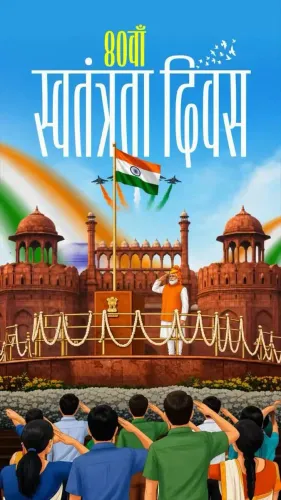
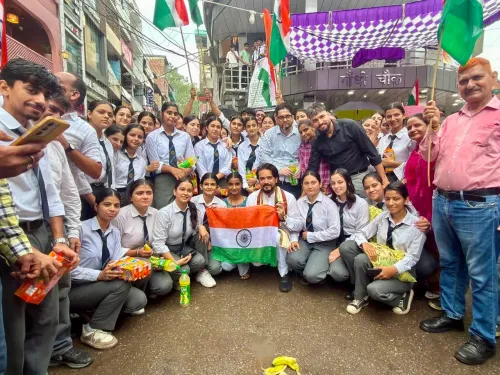
BJP MP Anurag Thakur on 26 July 2026 amplified Prime Minister Modi's call to treat the Har Ghar Tiranga campaign as a jan andolan, urging citizens to display the tricolour with enthusiasm and respect ahead of Independence Day, continuing a tradition launched in 2022 under Azadi Ka Amrit Mahotsav.
Key Takeaways
BJP MP Anurag Thakur on 26 July 2026 shared PM Narendra Modi 's call to advance the Har Ghar Tiranga campaign as a people's movement.
PM Modi described the campaign as having 'connected the entire country with national sentiment.' Har Ghar Tiranga was launched by the Ministry of Culture in 2022 as part of Azadi Ka Amrit Mahotsav to mark 75 years of Indian independence.
Citizens are encouraged to display the national tricolour at home between 13 and 15 August each year.
The Flag Code of India was amended in 2022 to allow polyester and machine-made flags, making participation easier for all households.
State governments and local administrations are key partners in mobilising ground-level participation ahead of Independence Day .
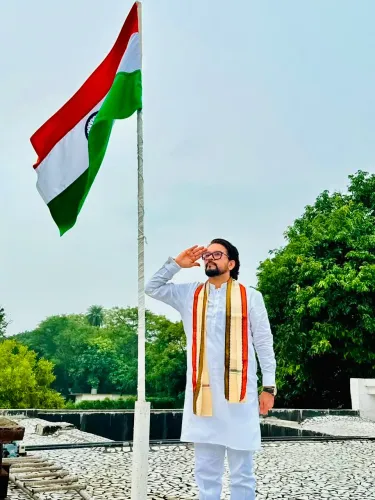
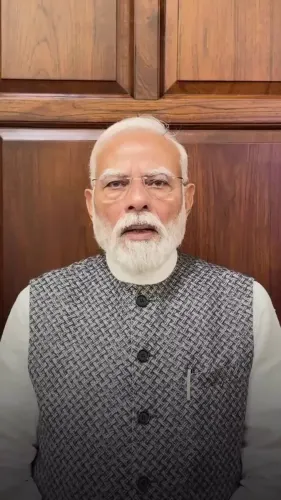
BJP MP Anurag Thakur on Sunday, 26 July 2026, shared Prime Minister Narendra Modi's call to carry forward the Har Ghar Tiranga campaign this year with full enthusiasm and respect, describing it as a movement that has united the entire country in national sentiment.
Context
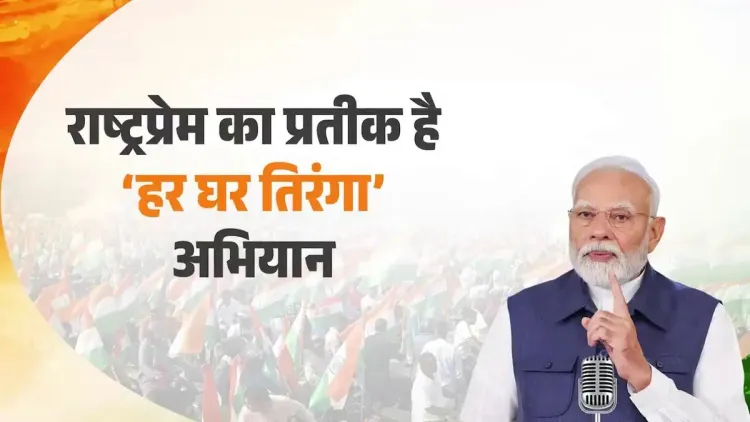
Thakur's post quotes Prime Minister Modi directly: 'Har Ghar Tiranga abhiyan ne poore desh ko rashtriya bhavna se joda hai' ('The Har Ghar Tiranga campaign has connected the entire country with national sentiment'). The Prime Minister's message calls on citizens to advance the campaign this year as a jan andolan — a people's movement — with the same spirit and dignity as in previous years.
The post, shared with a video, arrives weeks ahead of Independence Day on 15 August, the traditional window during which the campaign asks households across India to hoist or display the national tricolour.
Policy Backdrop
The Har Ghar Tiranga campaign was launched by the Ministry of Culture in 2022 as a centrepiece of the Azadi Ka Amrit Mahotsav, the government's series of commemorations marking 75 years of Indian independence. Citizens were encouraged to display the national flag at their homes between 13 and 15 August each year.
The campaign drew participation from millions of households in its inaugural year and has been revived annually since, with state governments and local administrations mobilising support through schools, resident welfare associations, and community groups. It operates within the framework of the Flag Code of India, which was amended in 2022 to permit display of the tricolour made of polyester and machine-made fabric, broadening access for ordinary citizens.
Stakeholders and Impact
The campaign's primary stakeholders are Indian citizens across all states and union territories, along with state and local governments that coordinate ground-level distribution and awareness drives. Since its launch, the initiative has been positioned as a bridge between civic duty and cultural pride, encouraging households that had never previously hoisted the national flag to participate.
Thakur, as former Union Minister of Information and Broadcasting, played a visible role in amplifying earlier editions of the campaign through official media outreach. His continued advocacy as a Lok Sabha MP from Hamirpur, Himachal Pradesh signals sustained political momentum behind the initiative at the constituency level as well.
The broader pattern reflects a deliberate strategy of converting government-led programmes into mass participation events — a model also employed by campaigns such as Swachh Bharat Abhiyan — to build emotional connect with national symbols and deepen civic engagement.
What's Next
With Independence Day approaching, attention will turn to fresh directives from the Ministry of Home Affairs and the Ministry of Culture on flag display protocols, logistics for flag distribution, and state-level rollout plans. Public participation targets and digital registration mechanisms — used in previous years to track household participation — are likely to be announced in the coming weeks.
If the campaign sustains and expands its reach in 2026, it will reinforce the government's long-standing effort to make the tricolour a living symbol of everyday national identity rather than a ceremonial one confined to official buildings.
Point of View
The government draws a rhetorical parallel with grassroots social movements, lending the campaign a bottom-up legitimacy that purely top-down initiatives lack. For Thakur, continued visibility on such campaigns keeps him aligned with the cultural-nationalist messaging that defines the party's electoral identity.
NationPress
26 Oct 2026
Frequently Asked Questions
What is the Har Ghar Tiranga campaign?
Har Ghar Tiranga is a government campaign launched in 2022 under Azadi Ka Amrit Mahotsav that encourages every Indian household to display the national tricolour between 13 and 15 August each year as a mark of patriotism and national pride.
Who launched the Har Ghar Tiranga campaign?
The campaign was launched by the Ministry of Culture in 2022 as part of the broader Azadi Ka Amrit Mahotsav celebrations marking 75 years of Indian independence, with strong backing from Prime Minister Narendra Modi.
What did Anurag Thakur say about Har Ghar Tiranga in 2026?
Anurag Thakur shared Prime Minister Modi's message on 26 July 2026 calling on citizens to advance the Har Ghar Tiranga campaign as a jan andolan — a people's movement — with full enthusiasm and respect ahead of Independence Day.
Can I use a polyester flag for Har Ghar Tiranga?
Yes. The Flag Code of India was amended in 2022 to permit display of the national flag made of polyester and machine-made fabric, making it easier and more affordable for all households to participate in the campaign.
When should I display the flag for Har Ghar Tiranga 2026?
Traditionally, the campaign window runs from 13 to 15 August to coincide with Independence Day. Specific dates and guidelines for 2026 are expected to be announced by the Ministry of Culture and Ministry of Home Affairs closer to the date.