Anurag Thakur Slams TMC Rule, Says Even Elected Reps Live in Fear
Synopsis
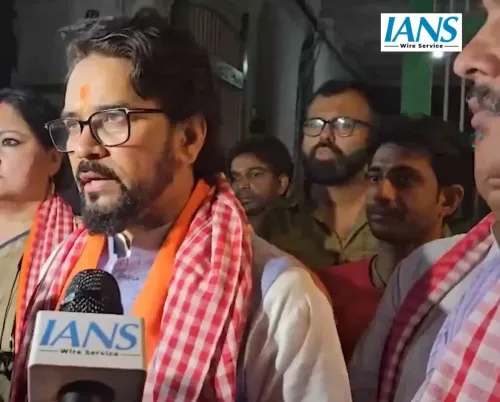
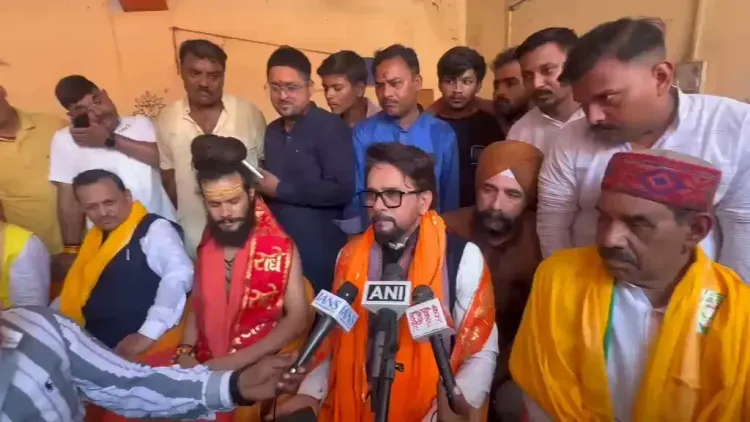
BJP MP Anurag Thakur, from Kanpur on June 16, accused the TMC of running West Bengal in a climate of fear so severe that even elected representatives felt unsafe — a broadside timed ahead of the 2026 state assembly elections.
Key Takeaways
BJP MP Anurag Thakur posted on June 16, 2026 from Kanpur attacking TMC governance in West Bengal .
He alleged that under TMC rule , not just ordinary citizens but elected representatives lived under the shadow of fear.
The post included a video and was made in Hindi, broadening its reach to Hindi-speaking audiences.
The BJP has maintained this line of attack on TMC since the 2021 West Bengal elections , when it became the state's principal opposition party.
The statement comes ahead of the 2026 West Bengal Legislative Assembly elections , a key electoral battleground for the BJP.
The TMC has historically denied BJP allegations of political intimidation, calling such claims politically motivated.
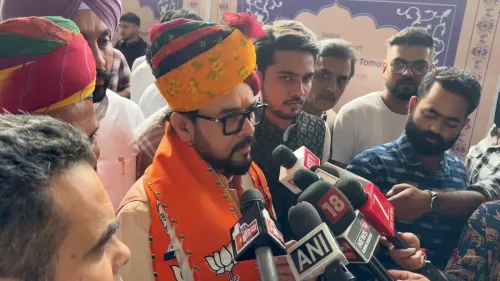
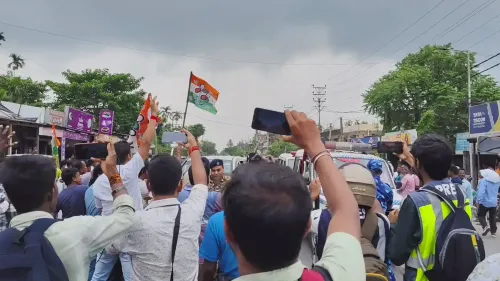
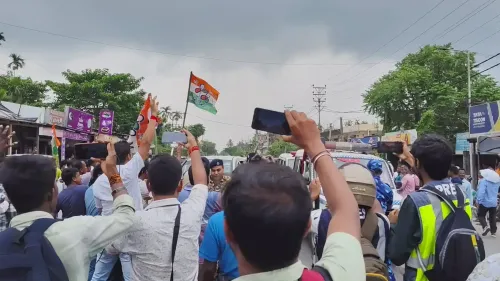
BJP MP Anurag Thakur, speaking from Kanpur on Tuesday, June 16, 2026, launched a sharp attack on the Trinamool Congress government in West Bengal, asserting that recent unrest in the state has exposed a climate of fear that extends even to elected representatives.
Posting on X, Thakur wrote in Hindi: 'बंगाल की हालिया हलचल दिखाती है कि, टीएमसी के राज में ना सिर्फ़ जनता बल्कि चुने हुए जनप्रतिनिधि भी डर के साये में जी रहे थे।' — translated: 'The recent turmoil in Bengal shows that under TMC rule, not just the public but even elected representatives were living under the shadow of fear.'
Context
Thakur's remarks come against the backdrop of renewed political turbulence in West Bengal, a state governed by the Trinamool Congress under Chief Minister Mamata Banerjee since 2011. The BJP MP's post, accompanied by a video, frames the situation as one where democratic accountability itself is under strain — with elected public representatives, not just ordinary citizens, described as living in fear.
The post was made from Kanpur, the industrial hub of Uttar Pradesh, suggesting Thakur raised the Bengal issue while on a political visit outside his home state of Himachal Pradesh.
Policy Backdrop
The BJP has consistently accused the TMC of fostering political violence and intimidating opposition workers since the 2021 West Bengal Legislative Assembly elections, in which the BJP emerged as the principal opposition party. The party has repeatedly petitioned central agencies and raised the issue in Parliament, alleging that opposition leaders face threats and that democratic norms are being undermined in the state.
Thakur, as a former Union Minister of Information and Broadcasting, carries significant political weight within the BJP's communication apparatus. His public statements on Bengal are part of a sustained national-level messaging effort by the party targeting TMC governance.
Stakeholders and Impact
The most directly affected stakeholders are West Bengal's opposition politicians and residents in constituencies where political rivalry runs high. Thakur's specific mention of 'elected representatives' living in fear broadens the critique beyond ordinary voters, pointing to what the BJP characterises as systematic suppression of democratic opposition.
Civil society groups and legal observers in the state have previously noted incidents of inter-party clashes, though the scale and attribution of responsibility remain contested between the BJP and the TMC. The TMC has consistently denied allegations of orchestrated political violence and accused the BJP of politicising law-and-order incidents.
What's Next
With the 2026 West Bengal Legislative Assembly elections on the horizon, statements of this nature are expected to intensify as the BJP seeks to consolidate and expand its opposition base in the state. The party's national leadership, including prominent MPs like Thakur, are likely to amplify the governance narrative as a central electoral theme.
Whether the 'recent turmoil' referenced in the post translates into a formal political or legal escalation — such as a delegation to the Election Commission or a demand for President's Rule — will be a key indicator of how seriously the BJP intends to press this line of attack in the coming weeks.
Point of View
Deliberately expanding the victimhood narrative from ordinary voters to elected representatives — a framing designed to resonate with democratic sensibilities nationally. By raising this from Kanpur rather than Delhi or Himachal Pradesh, the party signals that Bengal governance is a cross-regional BJP talking point, not merely a local concern. The reference to 'recent turmoil' without specifics gives the statement rhetorical flexibility while keeping the TMC on the defensive. As the 2026 Bengal election cycle heats up, expect this fear-and-accountability narrative to become a cornerstone of the BJP's state campaign.
NationPress
15 Sept 2026
Frequently Asked Questions
What did Anurag Thakur say about West Bengal and TMC?
Anurag Thakur said that recent turmoil in Bengal proves that under TMC rule, not just ordinary people but even elected representatives were living in fear. He made this statement via a post on X on June 16, 2026.
Why is BJP attacking TMC governance in West Bengal in 2026?
The BJP has been targeting TMC governance ahead of the 2026 West Bengal Legislative Assembly elections, in which it hopes to strengthen its position as the main opposition party. Allegations of political intimidation and fear have been a consistent BJP theme since the 2021 state elections.
Who is Anurag Thakur and what is his role in BJP?
Anurag Thakur is a BJP Lok Sabha MP from Hamirpur in Himachal Pradesh and a former Union Minister of Information and Broadcasting as well as Youth Affairs and Sports. He is a prominent voice in the party's national communication strategy.
Has TMC responded to BJP allegations of political violence in Bengal?
The TMC has consistently denied BJP allegations of orchestrated political violence, characterising such claims as politically motivated attacks ahead of elections. The party maintains that law and order in West Bengal is managed constitutionally.
What is the significance of Anurag Thakur posting from Kanpur about West Bengal?
Kanpur is an industrial city in Uttar Pradesh, not directly connected to West Bengal politics. Thakur raising the Bengal issue from Kanpur signals that the BJP is framing West Bengal governance as a national concern rather than a purely regional electoral issue.