Tharoor condoles Wayanad Kalladi landslide, demands accountability
Synopsis
Congress MP Dr. Shashi Tharoor mourned the Kalladi, Meppadi landslide in Wayanad on July 7, 2026, praised NDRF and rescue teams, and demanded accountability over whether slope-specific warnings were ignored — invoking the district's devastating 2024 landslide tragedy.
Key Takeaways
A landslide struck Kalladi, Meppadi in Wayanad district , Kerala, on July 7, 2026 , triggering large-scale rescue operations.
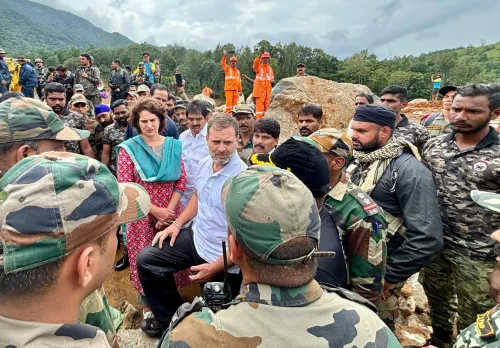
Shashi Tharoor offered condolences and praised NDRF , police, fire and rescue teams, local volunteers, and WIMS Hospital .
Evacuated families have been sheltered at a relief camp at Chulikka LP School .
Tharoor explicitly demanded accountability over whether slope-specific warnings at Kalladi were ignored before the disaster.
The tragedy follows the July 2024 Wayanad landslides that killed over 200 people in the same district.
The incident renews pressure on authorities to enforce hazard advisories and consider permanent relocation of families from high-risk hillsides in the Western Ghats .
Congress MP Dr. Shashi Tharoor on Tuesday, July 7, 2026, expressed grief over a deadly landslide at Kalladi, Meppadi in Wayanad district of Kerala, offering condolences to bereaved families and calling for accountability over whether slope-specific warnings were ignored before the disaster struck.
What happened at Kalladi
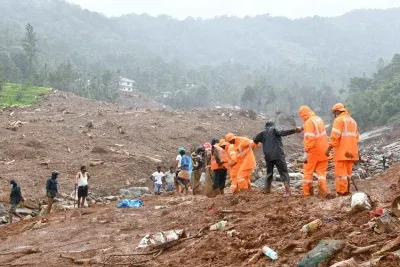
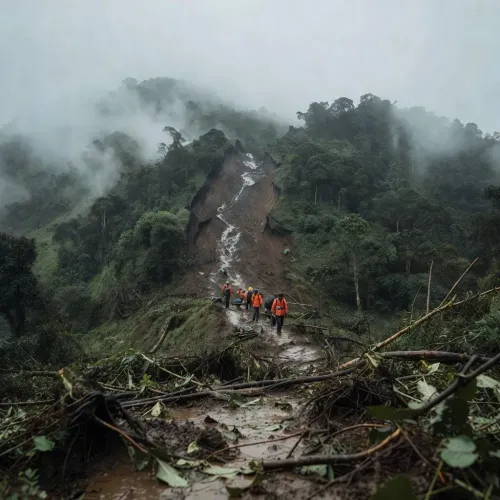
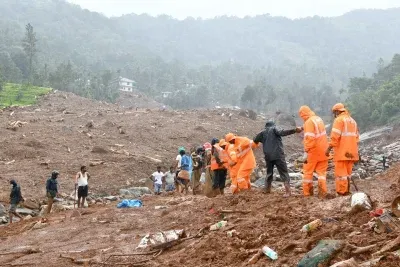
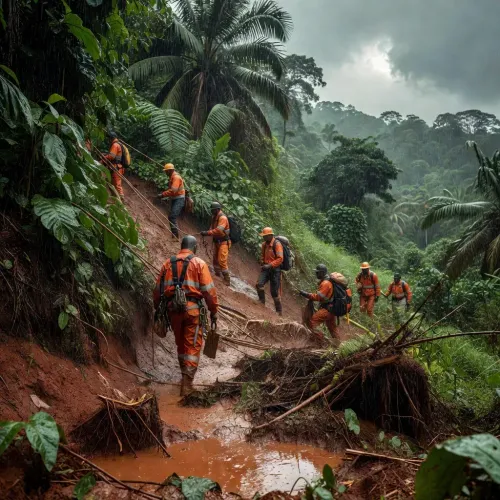
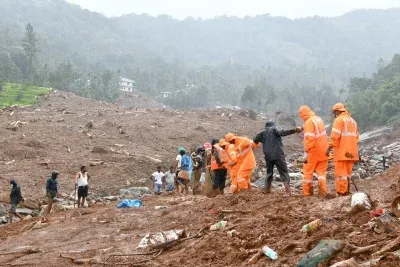
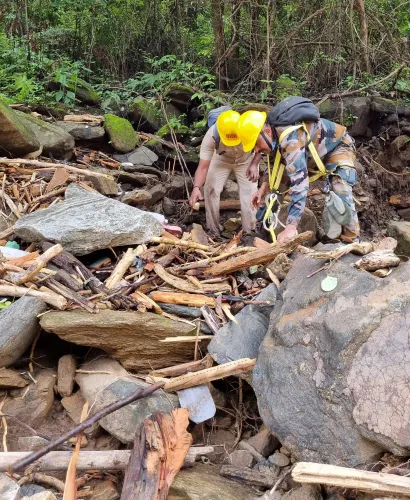
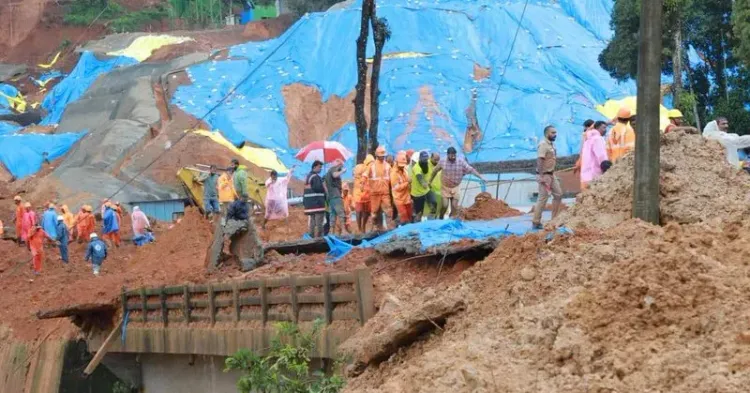
A landslide struck Kalladi in the Meppadi area of Wayanad during the southwest monsoon, trapping residents under debris and triggering large-scale rescue operations. The National Disaster Response Force (NDRF), state police, fire and rescue services, and local volunteers mobilised in relentless rain to reach those missing. WIMS Hospital has been receiving and treating the injured.
Families evacuated from vulnerable hillsides have been moved to a relief camp at Chulikka LP School. The full scale of casualties and the status of those still missing remain active concerns as rescue operations continue.
Context: A district scarred by repeated tragedy
Tharoor noted that Wayanad 'has borne unimaginable loss before, just a couple of years ago' — a reference to the catastrophic July 2024 Wayanad landslides that killed over 200 people and devastated communities in the same Western Ghats terrain. Those events prompted state and central government reviews of early-warning systems and slope-stability norms.
Despite those reviews, the recurrence of a major landslide in the same district has renewed urgent questions about whether the lessons of 2024 were translated into enforceable action on the ground.
Policy backdrop: Western Ghats warnings and enforcement gaps
Kerala has recorded a rising frequency of landslides during the southwest monsoon, driven by intense rainfall events, land-use changes, and the ecological fragility of the Western Ghats. Successive disasters have repeatedly exposed gaps between the issuance of slope-hazard advisories and their actual enforcement on vulnerable hillsides.
Tharoor's post pointedly stated: 'We owe it to those affected to ensure the warnings on this slope were not ignored, and that accountability follows once rescue operations are complete.' The remark directly flags the possibility that pre-existing hazard alerts for the Kalladi slope may not have been acted upon — a charge that will likely draw scrutiny toward both state disaster-management authorities and local administration.
Stakeholders and immediate impact
Residents of Wayanad's hill settlements bear the most immediate burden, facing loss of life, property, and livelihoods for the second time in roughly two years. Rescue personnel — particularly NDRF teams and fire and rescue squads — are operating under dangerous conditions in ongoing rain.
Tharoor specifically acknowledged 'local volunteers working tirelessly in relentless rain,' underlining the critical role of community responders in terrain where heavy machinery and formal teams face access constraints. Families at the Chulikka LP School relief camp represent a broader population of Wayanad's hillside communities living under persistent landslide risk.
What's next
With rescue operations still under way, the immediate priority remains locating those trapped under debris. Once the emergency phase concludes, Tharoor's explicit demand for accountability is likely to sharpen political pressure for an independent inquiry into whether hazard warnings specific to the Kalladi slope were communicated, heeded, and enforced.
The broader question — whether families in high-risk hillside zones across Wayanad will be permanently relocated rather than repeatedly evacuated — has been debated since 2024 without a definitive policy resolution. This latest tragedy is expected to reignite that debate in the Kerala legislature and at the central level.
Point of View
The recurrence in the same district makes it difficult for state or central governments to argue that systemic gaps have been addressed. The mention of a specific slope at Kalladi, rather than a generalised lament, suggests the MP may already have information — or intends to seek it — about pre-disaster hazard alerts for that site. This framing positions the Congress party to lead a post-disaster accountability push in Kerala, where the party's relationship with the ruling Left government adds a layer of political tension to what is ostensibly a humanitarian response.
NationPress
7 Jul 2026
Frequently Asked Questions
What happened in the Wayanad landslide on July 7 2026?
A landslide struck Kalladi in the Meppadi area of Wayanad district, Kerala, on July 7, 2026, trapping residents under debris and prompting rescue operations by NDRF, police, fire and rescue teams, and local volunteers.
What did Shashi Tharoor say about the Wayanad landslide?
Dr. Shashi Tharoor expressed heartbreak over the tragedy, offered condolences to bereaved families, praised rescue teams and WIMS Hospital, and demanded accountability over whether slope-specific warnings at Kalladi were ignored before the landslide.
Has Wayanad faced landslides before?
Yes. In July 2024, a series of devastating landslides in Wayanad killed over 200 people, making it one of the deadliest natural disasters in Kerala's recent history and prompting reviews of early-warning systems.
Where are evacuated families being sheltered after the Wayanad landslide?
Families evacuated from vulnerable hillsides near the landslide site have been moved to a relief camp at Chulikka LP School in Wayanad.
What is the NDRF and what role is it playing in Wayanad?
The National Disaster Response Force (NDRF) is India's federal agency for specialised disaster search and rescue. It has been deployed at Kalladi, Meppadi, to locate and rescue people still missing under the debris.