Tharoor hails Vizhinjam Port's direct export-import launch

Synopsis
Congress MP Dr. Shashi Tharoor marked the launch of direct export-import operations at Vizhinjam International Seaport in Thiruvananthapuram on August 18, 2026, calling it a historic milestone for India's coastal development and positioning the port as a 'Gateway to India' on global shipping routes.
Key Takeaways
Vizhinjam International Seaport in Thiruvananthapuram commenced direct export-import operations on August 18, 2026 .
Shashi Tharoor hailed the launch as 'a historic day for India's coastal development.' Tharoor positioned Vizhinjam as a 'Gateway to India,' drawing a contrast with Mumbai's iconic 'Gateway of India.' The port's location near the world's busiest east-west shipping lane gives it a strategic edge as a transshipment hub.
The project was developed by the Kerala government in partnership with Adani Ports and features a natural deep-water draft.
The launch marks a step toward reducing India's dependence on foreign ports like Colombo and Singapore for transshipment.
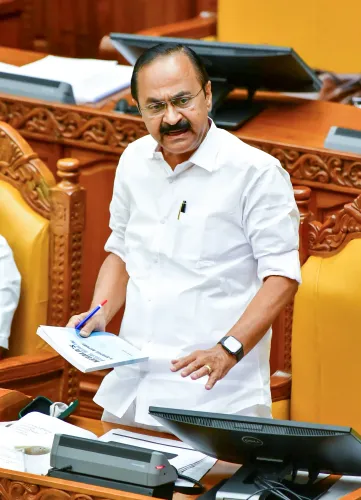
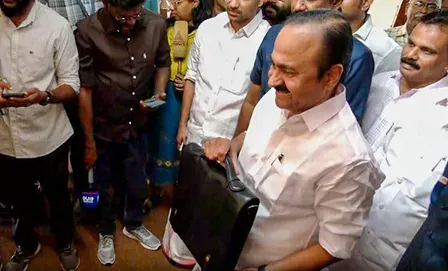
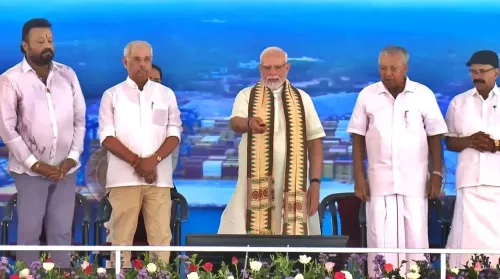
A port that took decades to dream and years to build has finally opened its doors to the world. Congress MP Dr. Shashi Tharoor on Tuesday, August 18, 2026, celebrated the launch of direct export-import operations at Vizhinjam International Seaport in Thiruvananthapuram, calling it 'a historic day for India's coastal development.'
Thiruvananthapuram's new claim on global trade
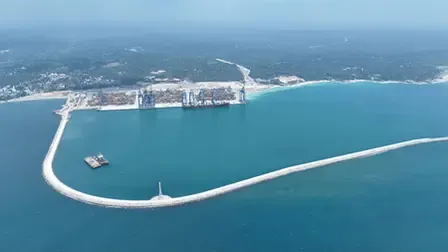
Tharoor, who represents Thiruvananthapuram in the Lok Sabha, framed the milestone with a pointed geographical flourish — if Mumbai has the 'Gateway of India,' he declared, Thiruvananthapuram now offers a 'Gateway to India.' The wordplay is more than rhetorical: Vizhinjam sits near the southern tip of the subcontinent, close to the busiest east-west shipping lane in the world, making it a natural transshipment hub that could redirect cargo currently handled at Colombo, Singapore, and Dubai back to Indian shores.
Why Vizhinjam's location is a strategic asset
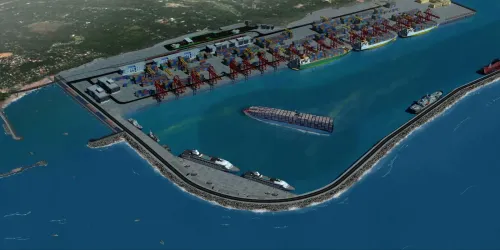
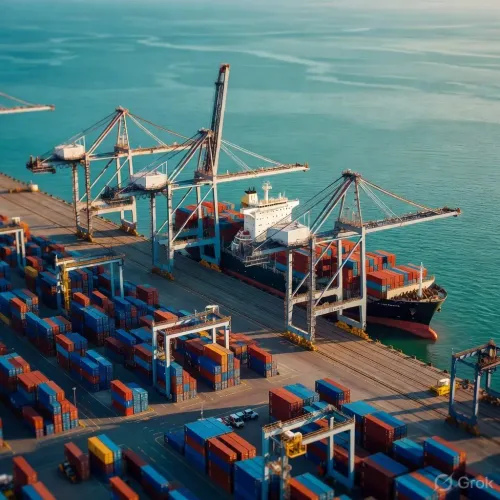
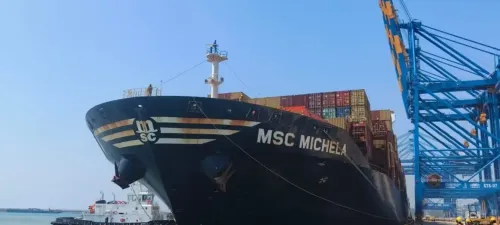
Vizhinjam International Seaport, developed by the Kerala government in partnership with Adani Ports, enjoys a natural deep-water draft that requires minimal dredging — a rare advantage on India's coastline. Its proximity to the international shipping lane means ultra-large container vessels can call here without significant detour, cutting transit times and logistics costs for Indian exporters. The start of direct export-import operations marks the port's transition from infrastructure project to functioning trade gateway.
A long-pending promise delivered to Kerala
The port's journey has been anything but smooth — years of construction delays, fisherfolk protests over coastal displacement, and legal challenges tested the project's resolve. That the facility has now reached operational status is a moment the state and its political representatives have waited for across multiple election cycles. For Tharoor, whose constituency hosts the port, the inauguration of commercial operations carries both policy weight and personal political significance.
India has long punched below its weight in maritime trade, with a coastline of over 7,500 kilometres yet a heavy dependence on foreign transshipment ports. Vizhinjam's entry into live operations is a concrete step toward reversing that equation — and a signal that India's southern coast is open for business.
Point of View
It is a rare moment of being at the centre of national trade infrastructure rather than its periphery. Tharoor's 'Gateway to India' framing is a deliberate attempt to cement the port's identity in the national imagination, much as Mumbai's waterfront landmark defines western India's commercial heritage. Whether Vizhinjam can genuinely pull transshipment volumes away from Colombo will be the real test of whether this milestone translates into lasting economic transformation for the region.
NationPress
18 Aug 2026
Frequently Asked Questions
What is Vizhinjam International Seaport?
Vizhinjam International Seaport is a deep-water transshipment port located in Thiruvananthapuram, Kerala, developed by the Kerala government in partnership with Adani Ports. It is positioned near the international east-west shipping lane, making it a strategic hub for global container trade.
When did Vizhinjam Port start export-import operations?
Vizhinjam Port launched direct export-import operations on August 18, 2026, marking a major milestone in the port's transition from a construction project to a functioning trade gateway.
Why did Shashi Tharoor call Vizhinjam a 'Gateway to India'?
Tharoor used the phrase to highlight Vizhinjam's strategic location near the southern tip of India on a major global shipping route, drawing a contrast with Mumbai's 'Gateway of India' and asserting Thiruvananthapuram's new role in international trade.
How does Vizhinjam Port benefit India's trade?
Vizhinjam's natural deep-water draft and proximity to busy shipping lanes allow large container ships to call directly, potentially reducing India's dependence on foreign transshipment ports like Colombo, Singapore, and Dubai.
Who developed Vizhinjam International Seaport?
The port was developed through a public-private partnership between the Kerala state government and Adani Ports, overcoming years of construction delays and legal challenges before reaching operational status.