Tharoor Leads Delegation to India-Pakistan Border Gate
Synopsis
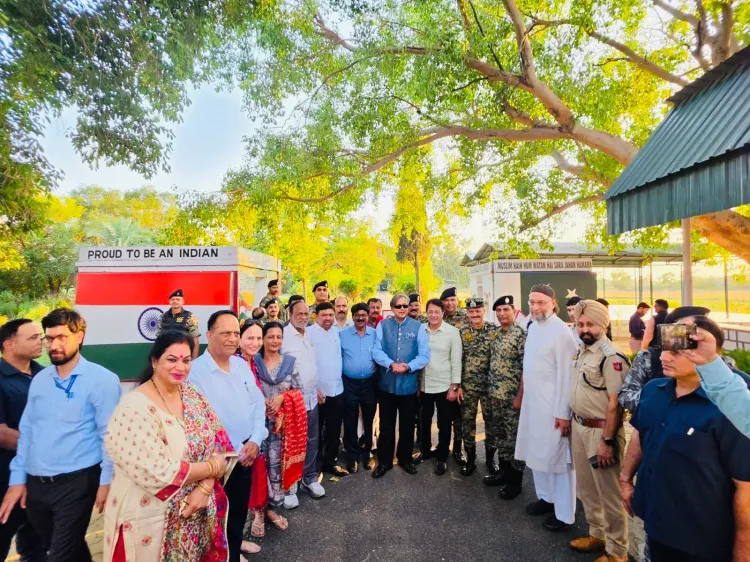
Congress MP Dr. Shashi Tharoor visited the India-Pakistan border gate with a parliamentary delegation on 27 June 2026, escorted by the BSF to the boundary dividing Indian and Pakistani border guards, calling it 'an incredible experience.'
Key Takeaways
Shashi Tharoor , Congress MP from Thiruvananthapuram , visited the India-Pakistan border gate on 27 June 2026 as part of a parliamentary delegation.
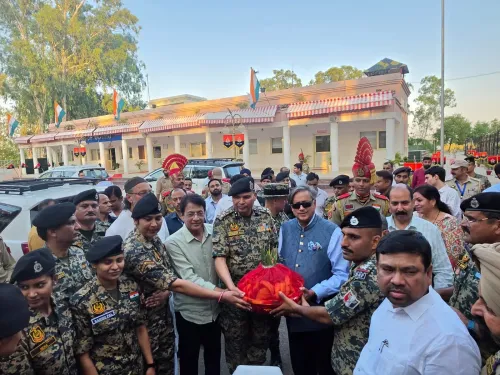
The Border Security Force (BSF) escorted the delegation to the gate dividing Indian and Pakistani border guards.
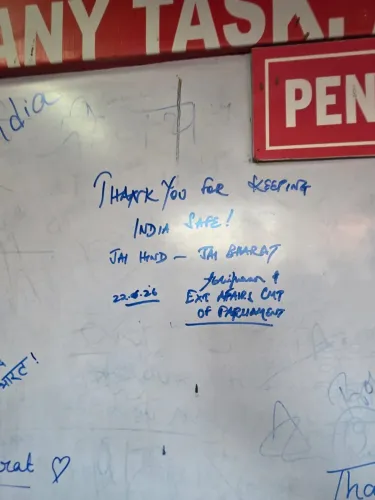
The visit was documented with four images shared by Tharoor on X.
The India-Pakistan international border spans approximately 3,323 km through Punjab, Rajasthan, and Gujarat.
Border fencing along this frontier has been progressively built since the early 1980s to curb infiltration and smuggling.
Parliamentary visits to forward border posts are a longstanding practice to give lawmakers ground-level insight into frontier security operations.
Congress MP Dr. Shashi Tharoor on Saturday, 27 June 2026 shared his experience of visiting the India-Pakistan border gate as part of a parliamentary delegation, describing the Border Security Force's escorted access to the boundary as 'an incredible experience.'
Context
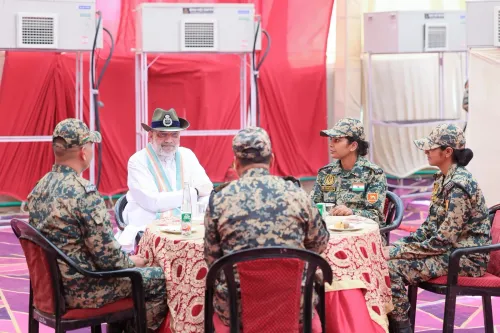
Posting on X, Dr. Tharoor recounted that the Border Security Force (BSF) took the delegation 'right up to the gate dividing the Pakistani border guards from ours.' The visit offered lawmakers a direct, ground-level view of the operational frontier between the two countries. The post was accompanied by four images, underscoring the visual and experiential nature of the visit.
Parliamentary delegations visiting forward border posts are a longstanding practice in India, enabling elected representatives to understand the realities faced by security personnel on the ground. Such visits are typically facilitated by the Ministry of Home Affairs, under which the BSF operates.
Policy Backdrop
The BSF is India's primary border-guarding force along the India-Pakistan international border, a fenced boundary stretching approximately 3,323 kilometres through the states of Punjab, Rajasthan, and Gujarat. Construction of fencing along this frontier began in the early 1980s and was progressively expanded through the 1990s and 2000s to curb illegal crossings, smuggling, and infiltration.
The border is characterised by manned outposts and formal gates where Indian and Pakistani border forces face each other across a defined line. These gates serve both operational and symbolic functions, representing the physical demarcation of sovereignty between the two neighbours whose relations have remained fraught with security concerns since 1947.
Stakeholders and Impact
Dr. Tharoor, a Congress MP from Thiruvananthapuram and former Union Minister with a background in international affairs, is among the more prominent voices in Parliament on foreign policy and national security matters. His participation in such a delegation signals continued cross-party legislative engagement with border management issues.
BSF personnel who facilitate and conduct these escorted visits play a central role in shaping lawmakers' understanding of frontier challenges. For the broader parliamentary delegation — whose full composition has not been publicly disclosed — the visit provides firsthand exposure to the infrastructure and human effort underpinning India's border security apparatus.
What's Next
Statements from delegation members could surface during the monsoon session of Parliament, potentially informing debates on border infrastructure, security funding, or diplomatic postures toward Pakistan. Any formal report or briefing arising from the visit may also feed into parliamentary committee discussions on home affairs or external security. The visit adds to a pattern of legislative scrutiny of India's frontier management at a time when border security remains a live political and strategic concern.
Point of View
And his public characterisation of it as 'incredible,' reflects a broader pattern of Indian legislators seeking firsthand exposure to the country's security frontiers — visits that often precede parliamentary scrutiny of border management budgets and policy. For an MP with Tharoor's profile in foreign and security affairs, the optics of standing at the India-Pakistan gate carry weight beyond the ceremonial. At a time when India-Pakistan relations remain tense and border infrastructure is under periodic legislative review, such visits can sharpen the quality of parliamentary debate. The absence of disclosed delegation details, however, limits the ability to assess the full political or policy intent behind the exercise.
NationPress
27 Jun 2026
Frequently Asked Questions
Why did Shashi Tharoor visit the India-Pakistan border?
Dr. Tharoor visited the India-Pakistan border as part of a parliamentary delegation escorted by the BSF, gaining firsthand exposure to the boundary gate dividing Indian and Pakistani border guards.
Which force manages the India-Pakistan border?
The Border Security Force (BSF), under India's Ministry of Home Affairs, is the primary force responsible for guarding the India-Pakistan international border.
How long is the India-Pakistan border?
The India-Pakistan international border stretches approximately 3,323 kilometres through the states of Punjab, Rajasthan, and Gujarat.
Can Indian MPs visit the border gate with Pakistan?
Yes, Indian MPs regularly undertake escorted visits to forward border locations facilitated by the BSF and the Ministry of Home Affairs to observe frontier security operations.
When was the India-Pakistan border fence built?
Construction of fencing along the India-Pakistan border began in the early 1980s and was expanded through the 1990s and 2000s to reduce illegal crossings and infiltration.