Amit Shah: BSF to Get World-Class Border Tech Soon
Synopsis
Union Home Minister Amit Shah announced on 26 May 2026 that the Border Security Force will soon be equipped with world-class border security technology. The pledge extends India's decade-long push to layer advanced surveillance over physical fencing along the Pakistan and Bangladesh frontiers.
Key Takeaways
Union Home Minister Amit Shah announced on 26 May 2026 that the BSF will soon receive world-class border security technology.
The BSF , established in 1965 , guards India's frontiers with Pakistan and Bangladesh across thousands of kilometres of varied terrain.
The announcement builds on the Comprehensive Integrated Border Management System (CIBMS) , approved in 2017 , which integrates sensors, radars and cameras with physical fencing.
The Home Ministry has been accelerating procurement of drones, AI analytics and night-vision equipment to reduce troop-density dependence on border stretches.
Specific technology types, vendors, budget figures and deployment timelines were not disclosed in the post.
Border communities in Punjab , Rajasthan , West Bengal and Assam are among the key civilian stakeholders of improved border surveillance.
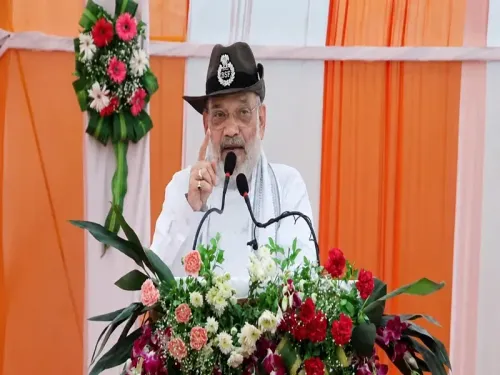
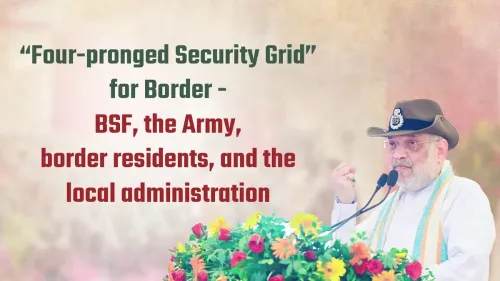
Union Home Minister Amit Shah announced on Tuesday, 26 May 2026 that the Border Security Force (BSF) will soon be equipped with world-class border surveillance technology, signalling a significant push to modernise India's frontline border guarding force.
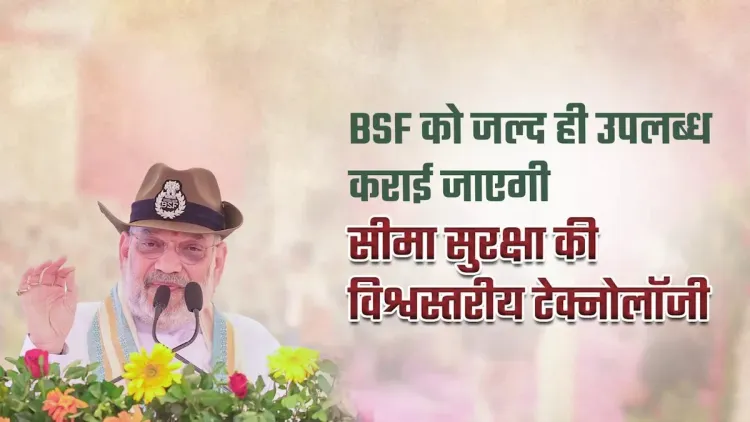
Posting on X, Shah stated in Hindi: 'BSF ko jald hi seema suraksha ki vishwstariya technology uplabdh karayi jayegi' — 'The BSF will soon be provided with world-class technology for border security.' The brief but pointed declaration underscores the Ministry of Home Affairs' continued emphasis on technology-led border management over the coming period.
Context
The Border Security Force, established in 1965 under the Ministry of Home Affairs, is India's primary border guarding organisation deployed along the frontiers with Pakistan and Bangladesh. Spanning thousands of kilometres of varied and often difficult terrain — from the deserts of Rajasthan to the riverine deltas of the Sundarbans — the BSF has long operated under conditions that make physical patrolling alone insufficient to deter infiltration, smuggling and illegal migration.
Shah's announcement comes against the backdrop of sustained efforts by successive administrations to layer electronic surveillance over physical fencing and floodlighting infrastructure. The commitment to deliver 'world-class' technology indicates an intent to benchmark Indian border systems against global standards rather than incremental domestic upgrades.
Policy Backdrop
The policy lineage for technology-driven border management stretches back at least a decade. In 2017, the Ministry of Home Affairs approved a phased rollout of the Comprehensive Integrated Border Management System (CIBMS), designed to supplement physical fencing with sensors, radars and cameras along vulnerable stretches of the India-Pakistan and India-Bangladesh borders.
Under the current administration, the Home Ministry's capital budget has supported accelerated procurement of drones, AI-based analytics platforms and night-vision equipment. The broader strategic rationale is to reduce dependence on troop density by deploying smart surveillance — allowing fewer personnel to monitor larger stretches more effectively. Shah's latest announcement appears to extend this trajectory with a fresh commitment to world-standard capability.
Stakeholders and Impact
BSF personnel are the most immediate beneficiaries: advanced surveillance and detection tools reduce physical exposure and improve situational awareness in hostile or remote terrain. Border communities in states such as Punjab, Rajasthan, West Bengal and Assam stand to gain from improved security outcomes, including reduced smuggling of contraband and narcotics and curbed illegal crossings.
The announcement also carries implications for India's domestic defence and security technology sector, as large-scale procurement exercises of this nature typically involve both public-sector undertakings and private vendors. Parliamentary oversight committees and border-state governments will watch closely for specifics on timelines and budgetary allocations.
What's Next
The announcement stops short of specifying technology types, vendors, budget figures or a precise deployment timeline. Clarity on these details is expected to emerge through the annual Border Security budget presentation and parliamentary questions on technology tenders for specific sectors, including the Jammu frontier and the Sundarbans delta region.
As procurement processes advance, the scale and sophistication of the technology package will determine whether this commitment represents a transformative leap or a continuation of existing CIBMS-era modernisation. The Home Minister's direct, public pledge places the initiative firmly in the political spotlight ahead of future budget cycles.
Point of View
The absence of a budget figure or timeline creates space to demand accountability. The real test will come when procurement tenders and deployment milestones are placed on the public record.
NationPress
10 Oct 2026
Frequently Asked Questions
What did Amit Shah announce about the BSF?
Union Home Minister Amit Shah announced on 26 May 2026 that the Border Security Force will soon be provided with world-class border security technology, continuing the government's push to modernise India's border guarding capability.
What is the BSF and where is it deployed?
The Border Security Force (BSF) is India's primary border guarding organisation, established in 1965 under the Ministry of Home Affairs. It is deployed along India's frontiers with Pakistan and Bangladesh.
What is the CIBMS and how does it relate to this announcement?
The Comprehensive Integrated Border Management System (CIBMS) is a technology integration project approved in 2017 to supplement physical fencing with sensors, radars and cameras. Shah's announcement is the latest step in this broader border modernisation trajectory.
Which border areas will benefit from the new BSF technology?
While no specific sectors were named in the post, key BSF deployment zones include the Jammu frontier, Rajasthan, Punjab, West Bengal and the Sundarbans delta along the Bangladesh border — all areas where surveillance upgrades have been prioritised in recent years.
What technology will the BSF receive under this announcement?
The Home Minister did not specify particular systems, vendors or budget figures. Past Home Ministry procurement under similar initiatives has included drones, AI-based analytics, night-vision equipment and integrated sensor networks.