Tharoor Honours Nehru on Death Anniversary, Cites 2003 Biography
Synopsis
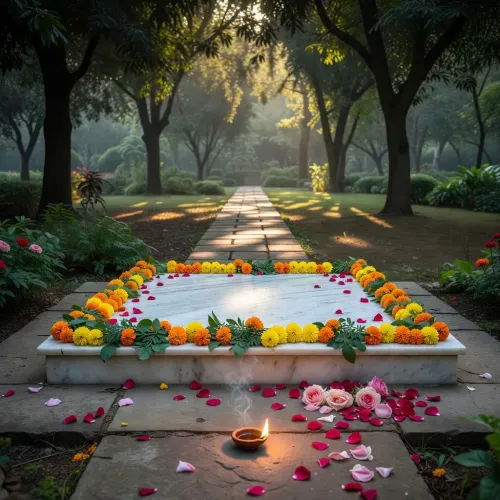
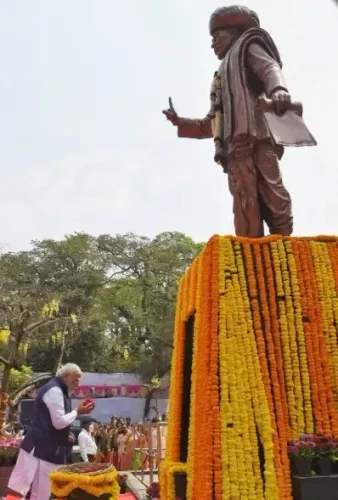
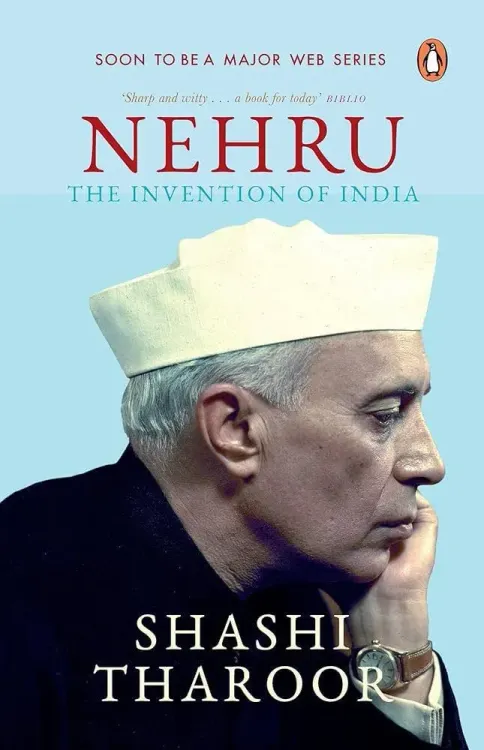
Congress MP Dr. Shashi Tharoor marked Jawaharlal Nehru's death anniversary on 27 May 2026, drawing on his 2003 biography 'Nehru: The Invention of India' to call the first Prime Minister a visionary polymath whose legacy remains profoundly relevant to modern India.
Key Takeaways
Shashi Tharoor posted a tribute to Jawaharlal Nehru on his death anniversary, 27 May 2026 .
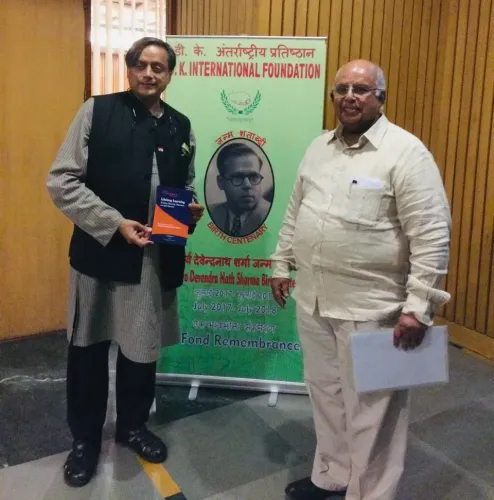
Tharoor referenced his 2003 biography 'Nehru: The Invention of India' , citing decades of personal scholarship on Nehru's life.
Nehru died on 27 May 1964 after serving as India's Prime Minister since 1947 .
Nehru's government launched the first Five Year Plan in 1951 and championed non-alignment at the 1955 Bandung Conference .
Tharoor described Nehru as a 'visionary polymath' whose legacy retains enduring relevance more than six decades on.
The tribute fits a broader pattern of Congress leaders invoking Nehru's legacy during ongoing political contestation over India's historical narrative.
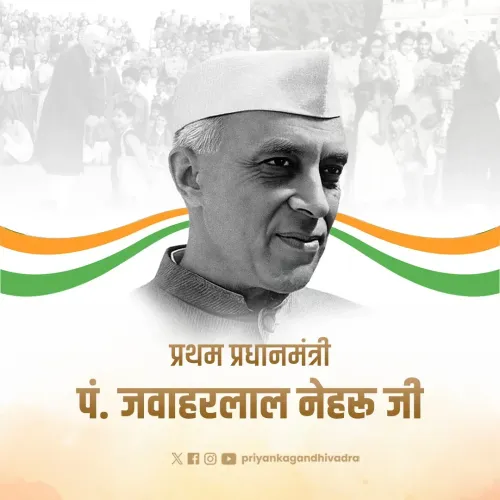
Congress MP Dr. Shashi Tharoor on Wednesday, 27 May 2026 marked the death anniversary of Jawaharlal Nehru, India's first Prime Minister, reflecting on decades of personal scholarship that culminated in his 2003 biography 'Nehru: The Invention of India'. Tharoor described Nehru as a 'visionary polymath' whose legacy retains enduring relevance more than six decades after his passing.
Context
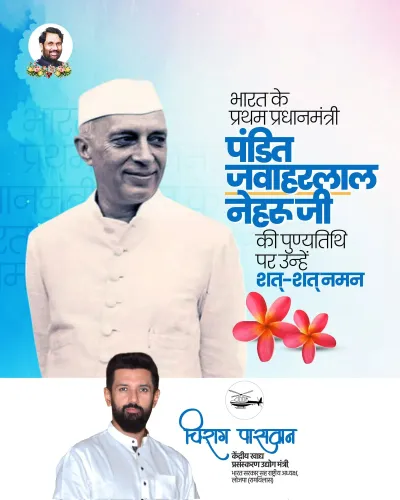
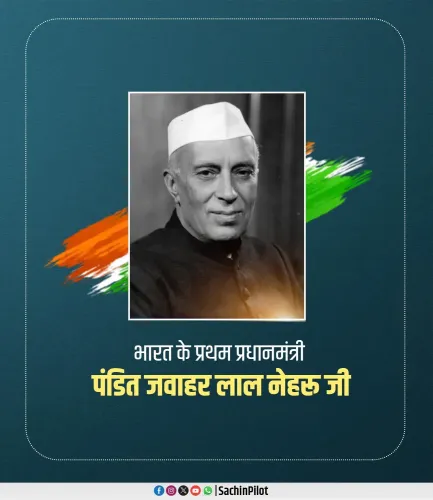
Jawaharlal Nehru died on 27 May 1964 while serving as Prime Minister, a post he had held since India's independence in 1947. Each year, the anniversary prompts reflection across the political spectrum, with Congress leaders in particular using the occasion to highlight Nehru's foundational contributions to the republic.
Tharoor's post draws directly from his own body of work. His biography, 'Nehru: The Invention of India', published in 2003, examined how Nehru shaped modern Indian identity and the institutional architecture of the state. In his post, Tharoor wrote that having 'spent decades analysing and writing about his life,' he remains 'profoundly struck by the enduring relevance of his legacy,' honouring Nehru as a leader whose 'lifelong devotion' continued to resonate.
Policy Backdrop
Nehru's tenure as Prime Minister left a wide institutional footprint. His government launched India's first Five Year Plan in 1951, establishing the framework of planned economic development. On the foreign policy front, Nehru was a principal architect of the non-alignment movement, a posture crystallised at the 1955 Bandung Conference that positioned India as a leader among newly independent nations.
Nehru also presided over the consolidation of parliamentary democracy and secular governance at a time when many post-colonial states moved toward authoritarian models. These pillars — secularism, planned development, and non-alignment — remain central to how the Indian National Congress frames its own political identity and historical legitimacy.
Stakeholders and Impact
Tharoor occupies a distinctive position in this commemorative tradition: he is simultaneously a sitting Congress MP from Thiruvananthapuram, a former UN Under-Secretary-General, and one of the most widely read popular historians of Nehru's life. His voice carries weight both within the party and in broader intellectual circles.
For Congress party supporters and Indian historians, the death anniversary serves as an annual moment to contest or reaffirm Nehru's place in the national narrative. In recent years, debates over Nehru's legacy have intensified, making such commemorations politically charged beyond their ceremonial surface. Tharoor's framing — rooted in scholarship rather than pure partisanship — positions the tribute as an intellectual as much as a political statement.
What's Next
Congress typically organises events and issues statements across its national and state units around 27 May each year, and senior leaders are expected to follow with their own tributes. Tharoor, who has continued to write and speak extensively on Nehru, may elaborate further on the themes referenced in his post through public addresses or new writings.
The broader conversation around Nehru's legacy — his approach to democratic institution-building, economic planning, and India's place in the world — is unlikely to recede, as it feeds into live debates about India's constitutional framework and foreign policy identity that extend well beyond any single anniversary.
Point of View
' Tharoor is implicitly making a case for a pluralist, institution-first model of governance at a moment when that model is actively contested. The post is part of a recurring Congress strategy of using Nehru commemorations to assert ideological continuity and historical legitimacy. Whether such tributes shift the needle in contemporary political discourse remains uncertain, but they consistently frame the terms of debate around secularism and democratic norms.
NationPress
13 Oct 2026
Frequently Asked Questions
When did Jawaharlal Nehru die?
Jawaharlal Nehru died on 27 May 1964 while serving as India's Prime Minister, a post he had held since independence in 1947.
What is Shashi Tharoor's book on Nehru?
Shashi Tharoor authored 'Nehru: The Invention of India,' published in 2003, which analyses Nehru's role in shaping modern Indian identity and state institutions.
Why do Congress leaders mark Nehru's death anniversary?
Congress leaders use 27 May each year to highlight Nehru's contributions to secularism, parliamentary democracy, and planned economic development, and to assert the party's ideological lineage.
What were Nehru's major policy contributions?
Nehru launched India's first Five Year Plan in 1951, championed non-alignment at the 1955 Bandung Conference, and built the foundational institutions of India's parliamentary democracy.
Who is Shashi Tharoor?
Dr. Shashi Tharoor is the Congress MP from Thiruvananthapuram, a former UN Under-Secretary-General, and a prolific author whose works include multiple books on Indian history and politics.