Tharoor Slams Detentions of Protesters, Ankita Bhandari's Parents
Synopsis
Congress MP Dr. Shashi Tharoor has condemned the detention of Ankita Bhandari's parents at India Gate at 4 a.m. and of Tricolour-bearing youth at Jantar Mantar, calling it a constitutional violation and demanding the government distinguish protesters from offenders.
Key Takeaways
Shashi Tharoor posted on 15 October 2026 condemning simultaneous protest detentions at Jantar Mantar and India Gate in Delhi.
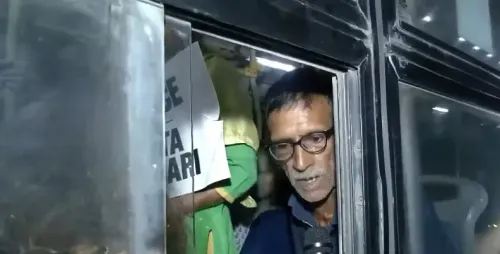
The parents of Ankita Bhandari — a 19-year-old Uttarakhand woman who died in September 2022 — were reportedly detained at 4 in the morning while seeking justice at India Gate.
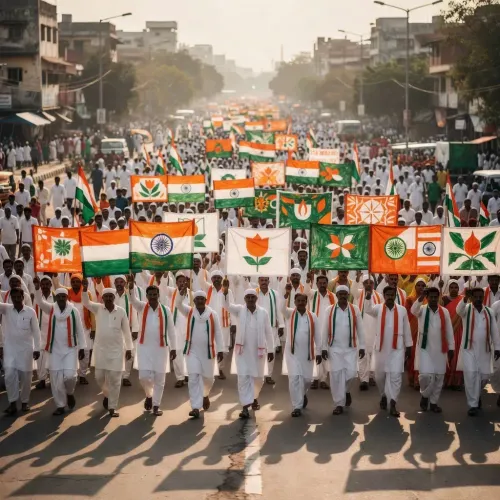
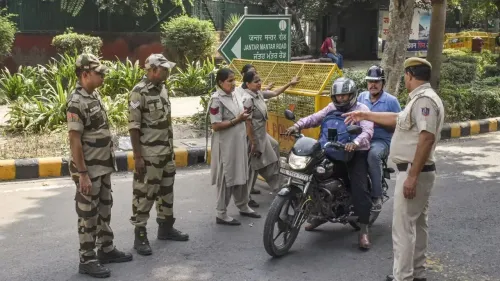
Young protesters waving the national Tricolour at Jantar Mantar were placed in judicial custody.
INC workers who stood in solidarity with the Bhandari family were also detained.
Tharoor invoked Article 19(1)(a) and (b) of the Constitution, arguing the right to peaceful protest is not conditional on government approval.
The Ankita Bhandari case and related court proceedings remain unresolved as of the post date.
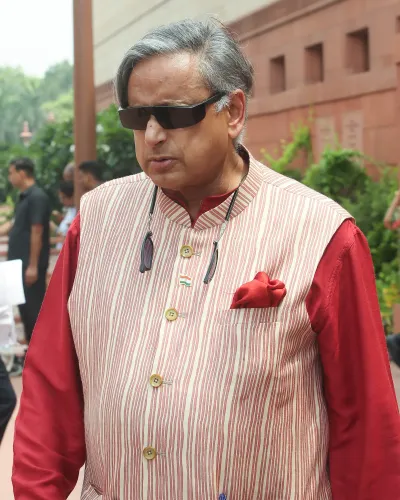
When grieving parents are pulled from sleep at 4 in the morning and placed in custody for demanding justice for their murdered daughter, something has gone badly wrong with the state's sense of proportion. Congress MP Dr. Shashi Tharoor said exactly that on Thursday, 15 October 2026, in a sharp rebuke directed at the government after detentions were reported at both Jantar Mantar and India Gate in New Delhi.
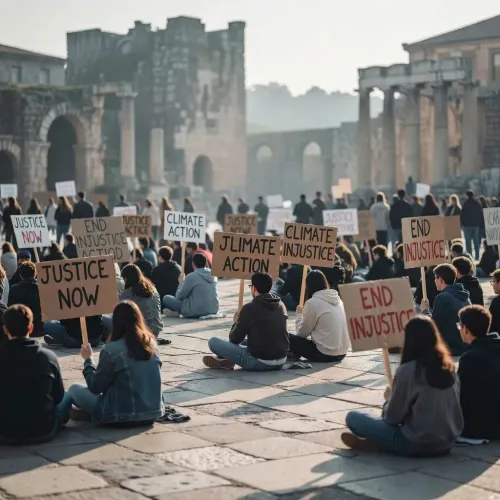
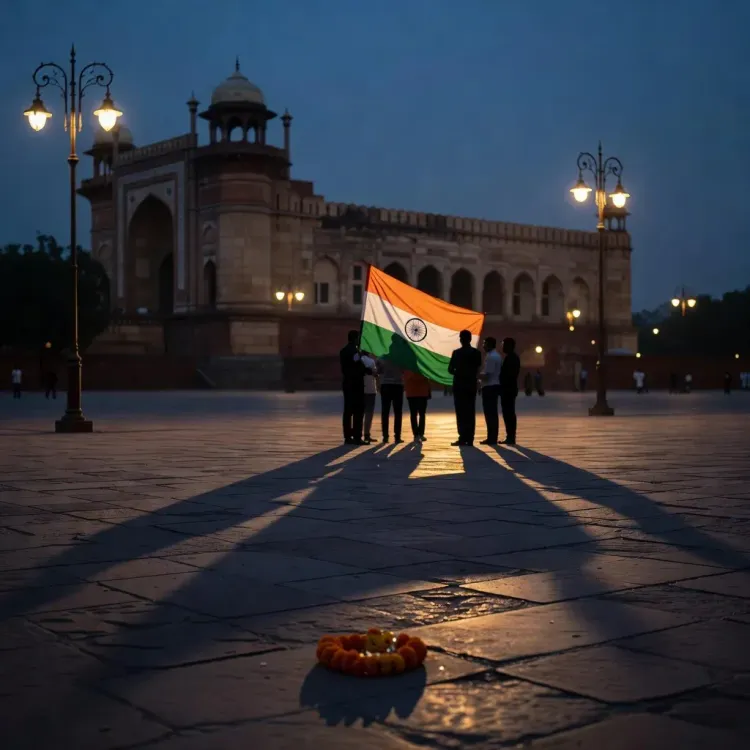
Tharoor's post named two simultaneous flashpoints. At Jantar Mantar — Delhi's designated arena for public dissent — young protesters waving the national Tricolour found themselves in judicial custody. At India Gate, the parents of Ankita Bhandari were detained in the pre-dawn hours alongside Indian National Congress workers who had gathered in solidarity. 'A protester is not an offender. A grieving parent is not a threat,' he wrote. 'The distinction should not need explaining to those entrusted with governing.'
Who Was Ankita Bhandari — and Why Her Parents Are Still Waiting
Ankita Bhandari was a 19-year-old woman from Uttarakhand whose death in September 2022 triggered sustained public outrage and repeated family-led demands for a full accounting of the circumstances. Her parents have continued to press for justice in the years since — making their appearance at India Gate not a political act in the partisan sense, but a bereaved family's stubborn refusal to be forgotten. That they were detained in the darkest hours of the morning only sharpened Tharoor's charge.
The Constitutional Argument Tharoor Is Making
Article 19(1)(a) and (b) of the Indian Constitution protect the freedoms of speech and peaceful assembly — unconditionally, not subject to the convenience of those in power. Tharoor leaned hard on this. 'The Constitution does not guarantee citizens the right to protest only when their questions are convenient to those in power,' he wrote. 'That right is not conditional upon the Government's approval. Nor can it be restricted merely because its exercise causes discomfort.'
The argument is legally grounded. Indian courts have repeatedly affirmed that pre-emptive or preventive detentions of peaceful demonstrators require a credible, specific public-order threat — not merely the fact that a protest is inconvenient or politically embarrassing.
A Recurring Pattern at Delhi's Protest Sites
The scenes Tharoor describes are not unprecedented. Indian authorities have periodically deployed early-morning detentions at both Jantar Mantar and India Gate when demonstrations touch on accountability or justice issues that carry political sensitivity. The tactic — remove demonstrators before crowds gather and cameras arrive — has drawn repeated criticism from civil liberties advocates across the political spectrum. Tharoor's post, tagged to @INCIndia, frames the current episode as a continuation of that pattern rather than an isolated incident.
'The power to detain is not the power to silence,' he concluded. 'The demand for justice does not end at the gates of a police station.' It is a line aimed as much at the judiciary and civil society watching as at the administration doing the detaining.
With court proceedings in the Ankita Bhandari case still unresolved, and no formal response yet from Delhi or Uttarakhand police on the protest permissions and detentions, the confrontation between constitutional protest rights and executive order-maintenance powers is far from over — and the Bhandari family's long wait for answers continues.
Point of View
He forces the government to defend an optic it cannot easily win. The tagging of @INCIndia signals this is also a party-level escalation, not merely a personal statement. If court proceedings in the Bhandari case intensify, the government will face mounting pressure to separate legitimate law-enforcement prerogative from what critics will frame as grief-policing.
NationPress
15 Oct 2026
Frequently Asked Questions
Who is Ankita Bhandari and why are her parents protesting?
Ankita Bhandari was a 19-year-old woman from Uttarakhand who died in September 2022 under circumstances that triggered widespread public outrage. Her parents have since staged repeated demonstrations demanding a full and transparent investigation and accountability from the authorities.
Why were protesters detained at Jantar Mantar and India Gate?
According to Dr. Shashi Tharoor's post on 15 October 2026, young citizens waving the Tricolour at Jantar Mantar were placed in judicial custody and the Bhandari family alongside Congress workers were detained at India Gate at 4 a.m. No official police explanation has been publicly confirmed.
Do Indians have a constitutional right to protest?
Yes. Article 19(1)(a) and Article 19(1)(b) of the Indian Constitution guarantee the freedoms of speech and peaceful assembly. Courts have held that these rights cannot be curtailed merely on grounds of inconvenience or political discomfort — a credible and specific public-order threat must be demonstrated.
What did Tharoor say about the detentions?
Tharoor stated that 'a protester is not an offender' and 'a grieving parent is not a threat,' and argued that the Constitution does not make protest rights conditional on government approval. He warned that the power to detain cannot be used as a power to silence.
What happens next in the Ankita Bhandari case?
Court proceedings related to the Ankita Bhandari case are ongoing. Observers are watching for formal responses from Delhi and Uttarakhand police on the legality of the latest protest detentions and any new judicial developments in the underlying accountability demand.