Tharoor Slams India's ODI Selection of Top-Order Batters

Synopsis
Congress MP Dr. Shashi Tharoor on June 23, 2026 publicly criticised India's ODI selection pattern, noting that Yashasvi Jaiswal had been dropped after scoring a century — mirroring Sanju Samson's 2024-25 experience — and comparing the situation to the marginalisation of world-class Indian spinners in the 1960s.
Key Takeaways
Shashi Tharoor posted on June 23, 2026 criticising India's practice of dropping top-order ODI batsmen after century-scoring innings.
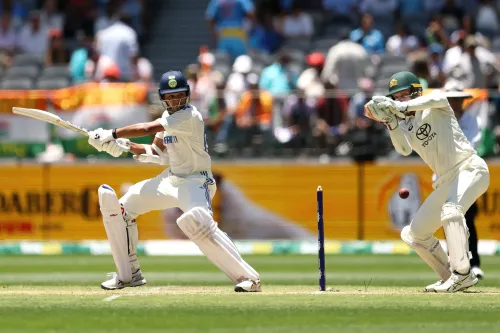
Yashasvi Jaiswal was dropped from the next ODI squad despite scoring a century, according to Tharoor's account.
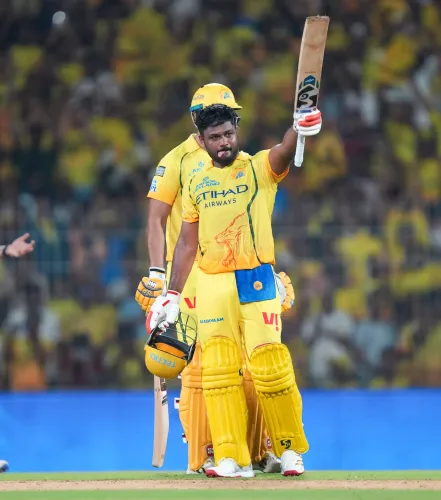
Tharoor drew a direct parallel with Sanju Samson , who faced the same treatment during the 2024-25 season.
The MP invoked the historical marginalisation of world-class Indian spinners in the 1960s to underline the recurring nature of the problem.
The BCCI and its national selection committee face renewed scrutiny over the transparency of their rotation and retention criteria.
Pressure for clearer BCCI selection guidelines is expected to grow ahead of the next ICC event.
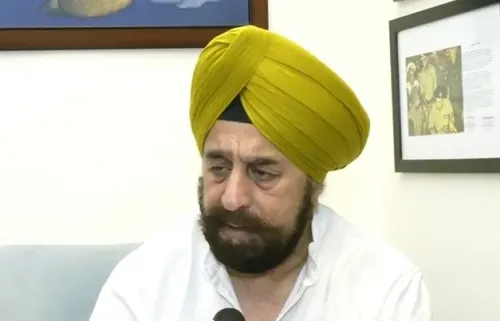
Congress MP Dr. Shashi Tharoor on Tuesday, June 23, 2026, took to social media to criticise India's pattern of dropping top-order batsmen from ODI squads shortly after they score centuries, drawing a sharp parallel between the current treatment of Yashasvi Jaiswal and the earlier experience of wicketkeeper-batter Sanju Samson.
Context
Tharoor's post highlights what he describes as a troubling trend in Indian cricket selection: a top-order batter scoring a century in an ODI match, only to be dropped from the very next game. He wrote, 'Jaiswal is experiencing exactly what Sanju Samson did in 2024-25 — being dropped from the very next ODI match after scoring a century.' The Thiruvananthapuram MP, known for his wide-ranging commentary on sport and culture, sharpened the critique with a historical comparison: 'This is as bad as being a world-class spinner in the '60s!'
The reference to spinners in the 1960s alludes to an era when India's specialist spin bowlers often found overseas pitches and tour schedules working against them, limiting their opportunities despite undeniable quality — a cycle of talent meeting institutional indifference that Tharoor now sees echoed in the present batting lineup.
Policy Backdrop
Indian cricket selectors have periodically rotated top-order batsmen in bilateral ODI series across the past decade and more, citing squad depth, fitness management, and match conditions. The practice has produced recurring public debate about whether selectors reward form adequately or apply opaque criteria that penalise even match-winning performances.
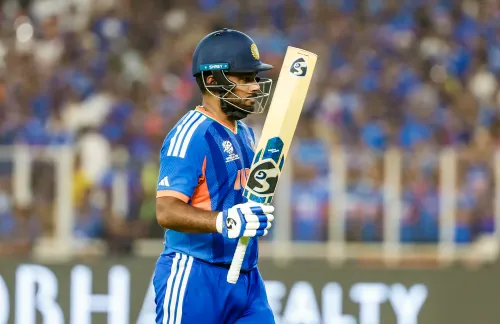
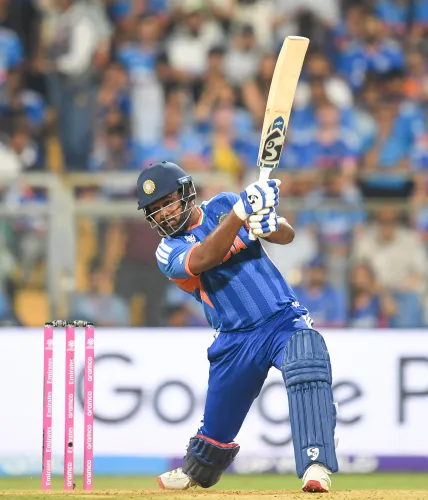
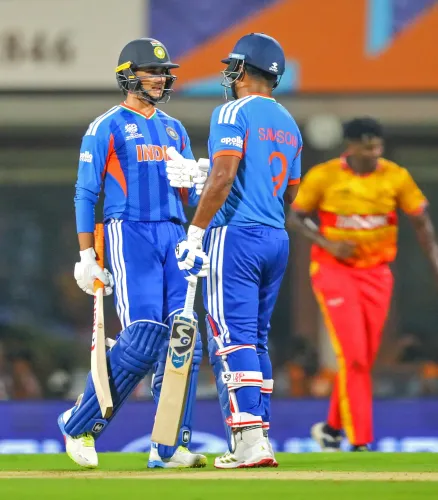
Sanju Samson, a wicketkeeper-batter celebrated for his consistency in domestic cricket and the Indian Premier League, became a focal point of this debate during the 2024-25 cycle when he was reportedly left out of an ODI squad despite having scored a century in the preceding fixture. Yashasvi Jaiswal, the aggressive opening batsman who built his reputation through domestic and IPL performances, now appears to face a similar predicament according to Tharoor's reading of events.
Stakeholders and Impact
The immediate stakeholders are the players themselves — young batsmen who invest in high-stakes performances only to find the reward is omission rather than consolidation of their place. Beyond the individuals, the debate touches the Board of Control for Cricket in India (BCCI) and its national selection committee, whose criteria for retaining or dropping players after strong innings remain a matter of public scrutiny.
For Indian cricket fans, the concern is broader: if century-scorers cannot secure their berth for the next match, the incentive structure for aggressive, match-winning batting is undermined. Tharoor's framing — invoking the plight of world-class spinners six decades ago — suggests this is not a new problem but a recurring institutional failure that the sport's governing body has yet to address systematically.
What's Next
Attention will now turn to the BCCI's announcement of squads for upcoming bilateral ODI series and whether the selection committee addresses transparency concerns ahead of the next ICC event. Any public statement from the selectors or the team management on their rotation policy would go some way toward answering the questions Tharoor and a wider cricketing public are raising.
If the pattern persists without explanation, pressure on the BCCI to publish clearer selection guidelines is likely to intensify — and voices from outside cricket, including parliamentarians like Tharoor, will continue to amplify that demand.
Point of View
Suggesting that the BCCI's selection opacity is a structural problem rather than an isolated misstep. By linking Jaiswal's current situation to Samson's 2024-25 experience and then reaching back to the 1960s spinner analogy, he builds a case that Indian cricket has a recurring habit of under-rewarding match-winning talent. The post is likely to resonate with fans who have long demanded published selection rationales from the national committee. It also signals that parliamentarians are willing to use their public platforms to hold sporting bodies accountable — a trend that could eventually translate into formal legislative or committee scrutiny of the BCCI.
NationPress
23 Jun 2026
Frequently Asked Questions
Why did Shashi Tharoor criticise India's cricket selectors?
Tharoor criticised the selectors because Yashasvi Jaiswal was dropped from the next ODI squad despite scoring a century, a pattern he said mirrors what Sanju Samson experienced in 2024-25.
What happened to Sanju Samson in the 2024-25 ODI season?
According to Tharoor's post, Samson was dropped from the very next ODI match after scoring a century during the 2024-25 season, illustrating what the MP calls a troubling selection pattern.
Who is Yashasvi Jaiswal in Indian cricket?
Yashasvi Jaiswal is an Indian opening batsman who rose through domestic cricket and the IPL on the strength of aggressive strokeplay before earning senior ODI opportunities.
What is the BCCI's role in player selection for India?
The Board of Control for Cricket in India (BCCI) oversees the national selection committee, which picks squads for all formats; critics argue the committee's criteria for dropping or retaining players lack transparency.
Why does Tharoor compare current batters to 1960s Indian spinners?
Tharoor uses the analogy to suggest that, just as world-class Indian spinners in the 1960s were often denied consistent opportunities due to pitch and tour conditions, today's top-order batters are being denied continuity despite strong performances — pointing to a recurring institutional pattern.