Tharoor Slams UP's Demolition of Jauhar University Buildings
Synopsis
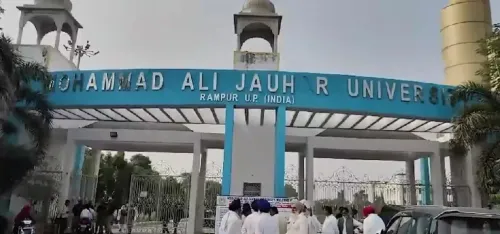
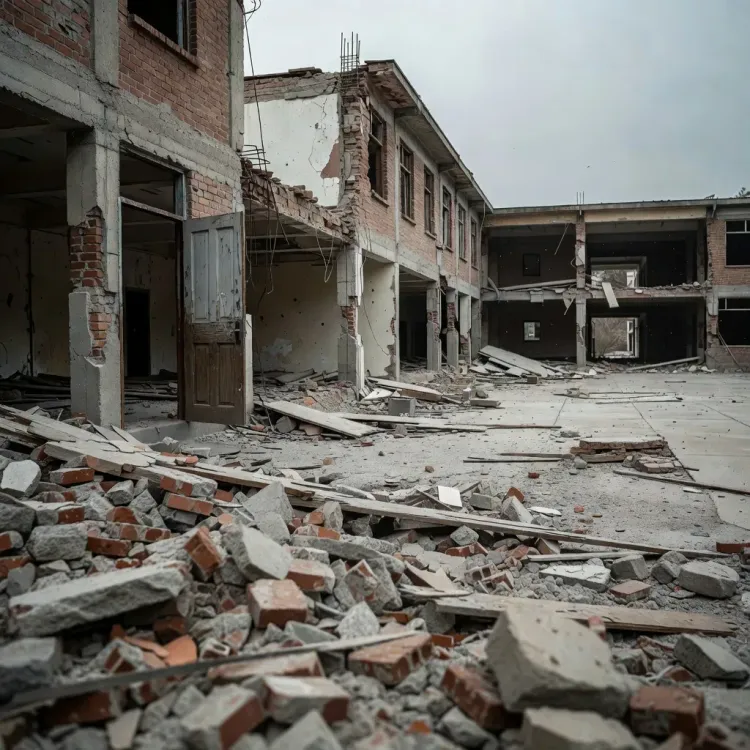
Congress MP Dr. Shashi Tharoor has condemned the Uttar Pradesh government's demolition of 38 of 40 buildings at Maulana Mohammad Ali Jauhar University in Rampur, calling it a disproportionate response to alleged construction violations that deepens the state's higher education deficit.
Key Takeaways
38 out of 40 buildings of Maulana Mohammad Ali Jauhar University in Rampur, Uttar Pradesh have been demolished by state authorities.
Shashi Tharoor called the action a 'perverse decision', arguing fines, penalties, or government takeover would be more proportionate responses to illegal construction.
The university is a private minority institution established in 2006 , named after freedom fighter Maulana Mohammad Ali Jauhar .
The Yogi Adityanath government has conducted large-scale anti-encroachment demolition drives across Uttar Pradesh since 2017 .
Legal challenges before the Allahabad High Court are anticipated, and the UGC may face pressure to act on student welfare.
Uttar Pradesh faces persistent shortages of quality higher education infrastructure, making the loss of campus buildings particularly consequential for enrolled students.
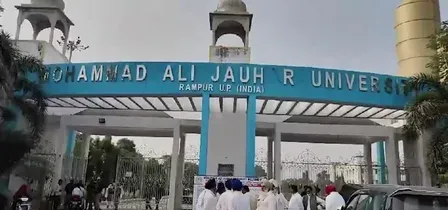
Congress MP Dr. Shashi Tharoor on Wednesday, July 22, 2026, sharply condemned the Uttar Pradesh government's demolition of 38 out of 40 buildings of Maulana Mohammad Ali Jauhar University in Rampur, calling it a 'perverse decision' that harms higher education access in a state already struggling with a shortage of quality institutions.
Context
Tharoor's post, shared on X, argued that even if construction at the university was found to be illegal, demolition on this scale was a disproportionate response. He wrote that authorities should instead 'find other punishments — fines, other punitive measures, even government takeover' rather than razing nearly the entire campus. The post was cut off mid-sentence, suggesting the full statement contained additional arguments.
Maulana Mohammad Ali Jauhar University is a private minority institution established in 2006 in Rampur, Uttar Pradesh, named after the celebrated freedom fighter and journalist Maulana Mohammad Ali Jauhar. It serves a significant student population, particularly from minority communities in the region.
Policy Backdrop
The Uttar Pradesh government under Chief Minister Yogi Adityanath has conducted large-scale anti-encroachment and demolition drives since 2017, with operations intensifying following communal incidents in 2022. Authorities have cited building-code violations as the legal basis for many such actions.
Critics, including opposition leaders and legal experts, have repeatedly raised concerns about procedural fairness and selective enforcement in these drives. The intersection of demolition orders with minority-owned or minority-serving institutions has drawn particular scrutiny from civil society groups and opposition parties.
Stakeholders and Impact
Uttar Pradesh faces documented gaps in accredited, high-quality higher education infrastructure despite hosting a large network of state and private universities. The demolition of 38 buildings at a functioning university campus directly affects enrolled students, faculty, and administrative staff who depend on those facilities.
Tharoor's intervention frames the issue not merely as a legal dispute over construction norms but as a question of educational access for communities in a region where alternatives are limited. For students already enrolled, the loss of campus infrastructure poses immediate academic disruption.
The University Grants Commission (UGC), the apex regulatory body for higher education in India, may face pressure to weigh in on the status of the institution and the welfare of its students following demolitions of this scale.
What's Next
Legal challenges before the Allahabad High Court are widely anticipated, with affected parties likely to seek a stay on further demolition activity and a review of the legal process followed. Any such petition would test whether the state government adhered to due process before ordering the razing of campus infrastructure.
The episode is likely to sharpen the political debate around the use of demolition as an administrative tool in Uttar Pradesh ahead of future electoral cycles, with opposition parties expected to raise the matter in legislative forums. How the state government responds to judicial scrutiny — and whether the UGC steps in to protect students — will define the next phase of this controversy.
Point of View
With the ruling dispensation presenting it as swift justice and critics arguing it bypasses due process and disproportionately affects minority communities. Judicial scrutiny from the Allahabad High Court will be the real test of whether the legal basis for this action holds.
NationPress
20 Oct 2026
Frequently Asked Questions
Why were buildings of Jauhar University in Rampur demolished?
The Uttar Pradesh government cited illegal construction as the basis for demolishing 38 out of 40 buildings at Maulana Mohammad Ali Jauhar University in Rampur . The exact legal orders and sequence of action are subject to ongoing scrutiny and anticipated court challenges.
What did Shashi Tharoor say about the Jauhar University demolition?
Dr. Shashi Tharoor called the demolition a 'perverse decision', arguing that if construction was illegal, the government should have imposed fines, other punitive measures, or even taken over the institution rather than razing nearly the entire campus.
What is Maulana Mohammad Ali Jauhar University?
Maulana Mohammad Ali Jauhar University is a private minority institution established in 2006 in Rampur, Uttar Pradesh , named after the freedom fighter and journalist Maulana Mohammad Ali Jauhar .
Can students challenge the Jauhar University demolition in court?
Legal petitions before the Allahabad High Court are widely anticipated. Affected parties are expected to seek a stay on further demolitions and a judicial review of the process followed by state authorities.
How has the UP government used bulldozers against institutions before?
The Yogi Adityanath government has conducted large-scale anti-encroachment and demolition drives across Uttar Pradesh since 2017 , intensifying after 2022 communal incidents, targeting properties cited for building-code violations.