Tharoor Takes India's Election Protests to Global Stage
Synopsis
Congress MP Dr. Shashi Tharoor has published a Project Syndicate column explaining India's ongoing protests over Election Commission voter-roll changes to a global readership, using his international platform to frame a domestic electoral dispute for foreign-policy audiences.
Key Takeaways
Shashi Tharoor published a Project Syndicate column on 6 November 2026 explaining India's protests over voter-roll changes to an international audience.
Project Syndicate distributes commentary to partner publications in over 150 countries , giving the column a substantial global footprint.
The protests centre on changes to electoral rolls made by the Election Commission of India , which manages voter lists under the Representation of the People Act .
Tharoor is a former UN Under-Secretary-General and former Union Minister , lending his global-platform writing significant weight in international policy circles.
Indian opposition figures have periodically used international outlets to highlight domestic electoral concerns, a tactic that reliably generates both support and official pushback.
A formal response from the Election Commission or a parliamentary debate on voter-roll procedures remains the key development to watch.
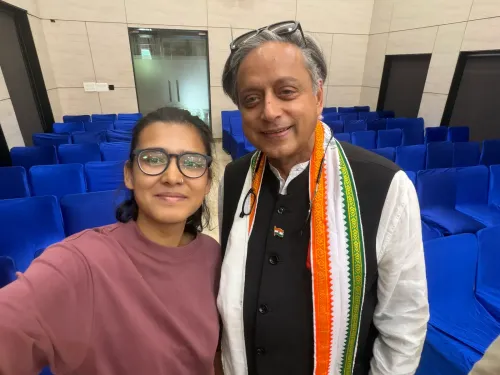
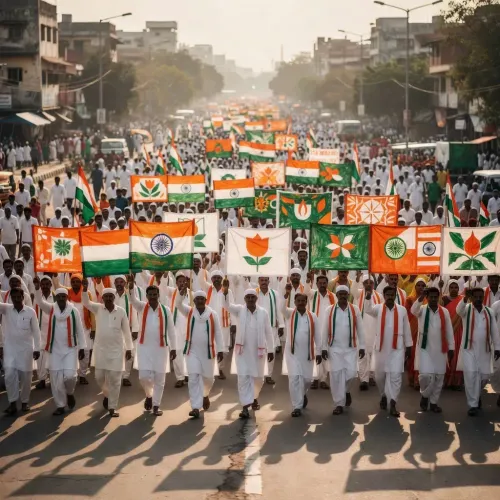
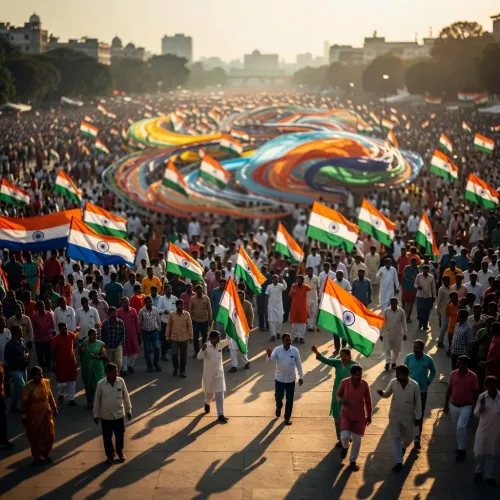
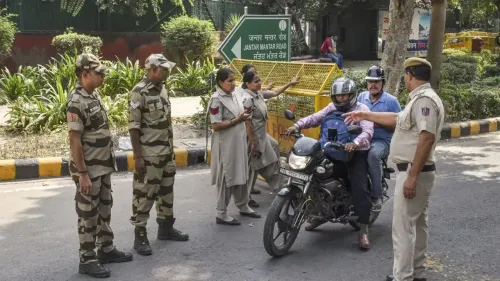
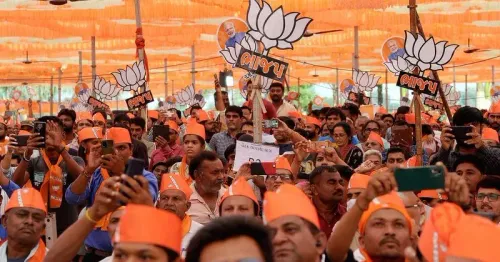
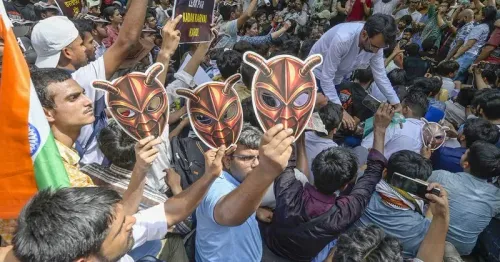
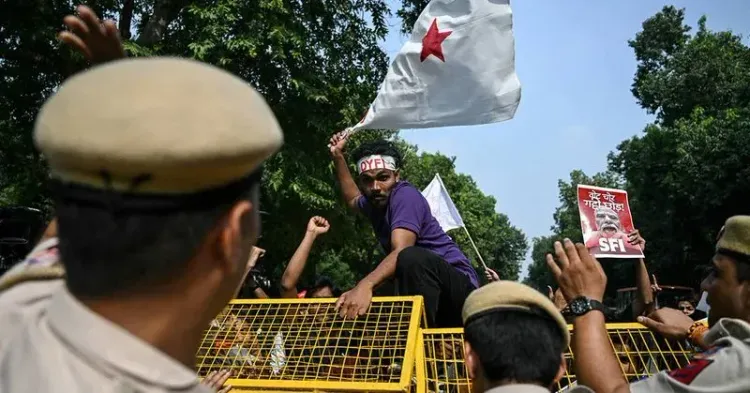
When a sitting Parliament member writes for a global policy forum to explain street protests back home to international readers, it signals something: the dispute over India's electoral rolls has crossed the threshold from domestic quarrel to foreign-policy conversation. Congress MP Dr. Shashi Tharoor published a column in his Project Syndicate series on Friday, 6 November 2026, walking a worldwide audience through the protests sweeping India over changes to voter rolls by the Election Commission of India.
Tharoor shared the piece on X, writing: 'My @ProSyn column this month explains the protests across India to a global audience,' with a direct link to the commentary on Project Syndicate's website. The framing itself is pointed — 'explains to a global audience' positions the unrest as something the world needs decoding, and Tharoor as the man to do it.
Project Syndicate and the Politics of the International Pulpit
Project Syndicate distributes opinion pieces to hundreds of partner publications across more than 150 countries, making it one of the most globally-read policy commentary platforms in circulation. For an Indian opposition MP, a column there is not a letter to the editor — it is a megaphone aimed at chancelleries, editorial boards, and international institutions simultaneously. Tharoor, a former UN Under-Secretary-General and former Union Minister of State for External Affairs, has contributed to the platform for years, leveraging his international profile to frame Indian political debates for foreign-policy audiences.
The Voter-Roll Dispute That Sparked the Protests
At the heart of the unrest, according to Tharoor's framing, are changes to electoral rolls made by the Election Commission of India — the constitutional body vested with authority over the preparation and maintenance of voter lists under the Representation of the People Act. Disputes over voter-list accuracy and revision have surfaced repeatedly across Indian states ahead of both assembly and parliamentary polls, with opposition parties alleging systematic deletions or additions that disadvantage certain communities or constituencies. The Election Commission operates a continuous roll-revision process, but the timing and scale of changes have historically been flashpoints.
What is new, Tharoor's act of writing implies, is that the protests are broad enough and significant enough to warrant international explanation — not just domestic parliamentary debate.
Opposition's Recurring Turn to the International Arena
Indian opposition figures have used international platforms to highlight electoral concerns before, a tactic that consistently draws two reactions: solidarity from critics of the government, and sharp pushback from ruling-party voices who argue that airing domestic disputes before foreign audiences undermines national sovereignty. Tharoor's decision to publish in this particular forum will almost certainly invite that second reaction again. The more consequential question — whether the Election Commission responds formally, or whether Parliament takes up voter-roll procedures for debate — remains open.
The protests now have a global readership. What they get in return is the next chapter of this story.
Point of View
The international pulpit offers both legitimacy and pressure; for the ruling establishment, it creates a sovereignty-versus-accountability fault line that is now on the record globally. The move fits a pattern where Indian opposition leaders increasingly treat foreign policy fluency as a domestic political asset. Whether it shifts the needle on the Election Commission's procedures, or simply raises the diplomatic temperature, is the question the next few weeks will answer.
NationPress
7 Nov 2026
Frequently Asked Questions
What did Shashi Tharoor write about in his Project Syndicate column in November 2026?
Tharoor's column explained the ongoing protests across India over voter-roll changes made by the Election Commission of India, addressed to a global international audience through the Project Syndicate platform.
What is Project Syndicate and why does Tharoor write for it?
Project Syndicate is a global commentary platform that distributes opinion pieces to partner publications in over 150 countries. Tharoor, as a former UN Under-Secretary-General and experienced international commentator, has contributed regularly to reach foreign-policy audiences worldwide.
What are the protests in India about regarding the Election Commission?
The protests relate to changes in voter rolls — the electoral lists maintained by the Election Commission of India — with concerns raised about deletions, additions, or revisions that critics allege affect the fairness of voter representation.
Is it unusual for Indian politicians to write in international outlets about domestic issues?
It is not unprecedented; Indian opposition figures have periodically used international platforms to highlight electoral and governance concerns, though the practice routinely draws criticism from ruling-party voices who argue it unnecessarily internationalises domestic disputes.
What could happen next after Tharoor's column on India's election protests?
Key developments to watch include any formal response from the Election Commission of India and whether Parliament takes up voter-roll revision procedures for debate in the coming sessions.