How Are Farmers in TN's Theni Battling Wild Boar Intrusions?
Synopsis
Farmers in Tamil Nadu's Theni district are facing a severe threat from wild boars damaging their crops. As they plead for action from the Forest Department to enforce shooting orders, the situation remains critical during the ongoing harvest season. Can effective measures be implemented to protect their livelihoods?
Key Takeaways
Wild boar attacks significantly damage crops in Theni district.
Farmers are demanding immediate enforcement of shooting orders.
Compensation processes are limited, leaving many without support.
Temporary deterrents have shown minimal effectiveness.
Collaboration with other states may provide viable solutions.
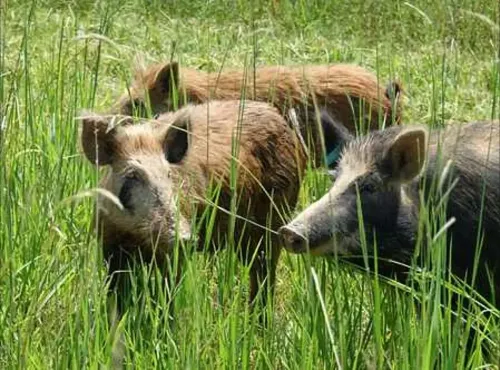
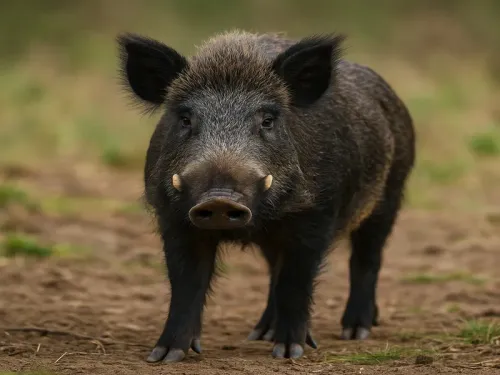
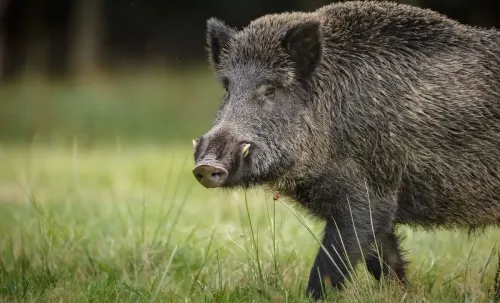
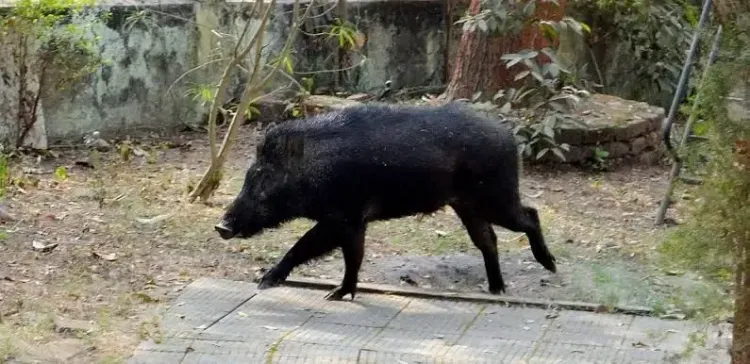
Chennai, Dec 16 (NationPress) Extensive areas of agricultural land in the foothills of Tamil Nadu's Theni district are facing relentless assaults from wild boars venturing out from adjacent forest territories. This situation has left farmers grappling to safeguard their crops during this crucial harvest season.
As losses escalate daily, cultivators are urging the Forest Department to promptly implement the shooting orders mandated by the Tamil Nadu government to mitigate this escalating threat.
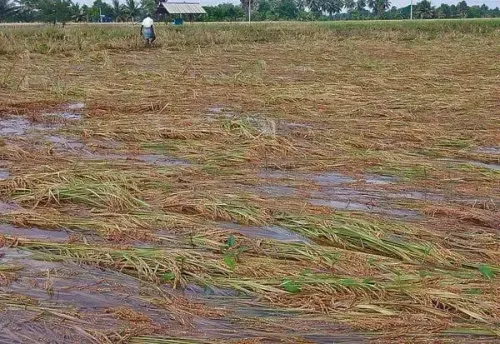
Farmers residing in Kadamalaikundu, Thimarasanayakanur, and Megamalai villages, as well as those from Bodinayakanur, Periyakulam, Andipatti, and Uthamapalayam taluks, report that wild boars invade their fields nearly every night. The agricultural lands adjacent to the Western Ghats are particularly hard-hit, with herds trampling down crops such as millets, maize, groundnuts, vegetables, and banana plantations, resulting in significant financial strain for farming families.
Farmer organizations highlight that the crisis has intensified with the current millet harvesting phase, making crops especially susceptible to damage. They claim that despite numerous petitions, the shooting orders being executed in other districts have yet to be enforced in Theni, leaving farmers without adequate protection.
While the Forest Department does provide compensation for crop losses, farmer representatives assert that procedural hurdles mean that only a small percentage of affected farmers can avail of this support. They have also noted the successful culling operations in Kerala aimed at preventing wild boar incursions, urging Tamil Nadu authorities to consider similar strategies.
In the absence of permanent solutions, farmers have resorted to temporary deterrents like lighting setups and sound devices, which have proven to be only marginally effective.
An anonymous Forest Department official mentioned that practical challenges hinder the implementation of culling operations. “Committees consisting of a forester, panchayat secretary, and Village Administrative Officer were established in each panchayat six months ago. Wild boar intrusions typically occur at night and in groups, complicating efforts to ensure safety for humans and other animals in the vicinity. Culling operations under these conditions could result in human injuries or harm to other wildlife,” the official explained.
The official also noted that farmers have been educated on deterrent techniques, such as using human hair along wild boar trails and fencing fields with white cotton cloth. A crop loss compensation of Rs 25,000 per acre is being provided, and approximately Rs 5 lakh has been disbursed to support 10 acres since April.
District Forest Officer P. Arunkumar reported that most incidents occur within a three-kilometer radius of reserve forest areas and outlined the measures already taken, including the installation of solar fencing at various locations in Uthamapalayam and Periyakulam, aided by the Department of Agricultural Engineering.
He mentioned that the situation will be scrutinized in an upcoming committee meeting, where further actions will be discussed, as farmers await more definitive timelines and decisions to avert additional damage to their crops.
Point of View
The plight of farmers in Theni highlights the urgent need for effective wildlife management strategies. The ongoing struggles against wild boar intrusions not only threaten agricultural productivity but also underscore the importance of timely government intervention to protect farmers' livelihoods. Supporting sustainable practices can lead to a balanced coexistence between wildlife and agriculture.
NationPress
3 Oct 2026
Frequently Asked Questions
What are the main crops affected by wild boars in Theni?
The primary crops affected include millets, maize, groundnuts, vegetables, and banana plantations.
What compensation do farmers receive for crop damage?
Farmers receive a compensation of Rs 25,000 per acre for crop loss due to wild boar intrusions.
How are other states managing similar issues?
States like Kerala are implementing culling operations to prevent wild boar intrusions, which have proven effective.
What temporary measures are farmers using to deter wild boars?
Farmers are using lighting arrangements and sound devices, along with techniques like placing human hair along wild boar pathways.
What actions are being taken by the Forest Department?
The Forest Department is working on various measures, including installing solar fencing and reviewing the situation in committee meetings.