Kuruvai paddy yield falls in TN Cauvery delta as heat, water stress bite
Synopsis
Nagapattinam's kuruvai cultivated area fell from 30,000 hectares to just 1,720 — a near-total collapse — while a Tirumarugal farmer lost over 70% of his output on the same land as last year. The Cauvery delta's 2026 kuruvai season lays bare what happens when Mettur reservoir water is withheld and heat stress strikes simultaneously: the damage is not just to yields, but to the entire sown area.
Key Takeaways
Thanjavur kuruvai coverage fell from 79,800 hectares to 64,755 hectares ; average yield at 5,500 kg per hectare may still decline as heat-hit fields are counted.
Nagapattinam saw the steepest drop — cultivated area collapsed from 30,000 hectares to just 1,720 hectares ; yield fell from 4,940 kg to 4,200 kg per hectare .
Tiruvarur area shrank from 77,573 hectares to 46,339 hectares ; yield slightly improved to 4,468 kg per hectare against last year's 3,898 kg .
Mayiladuthurai was the only district to register a cultivation increase, rising from 39,700 hectares to 41,000 hectares .
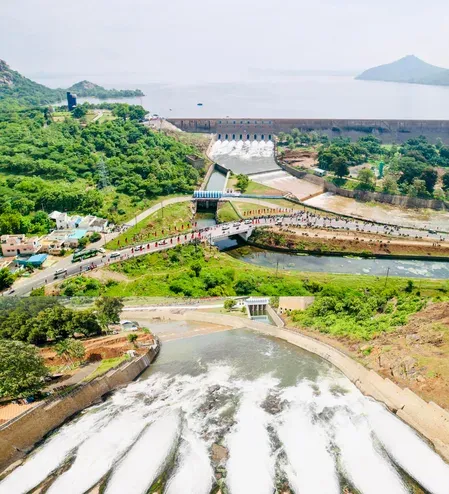
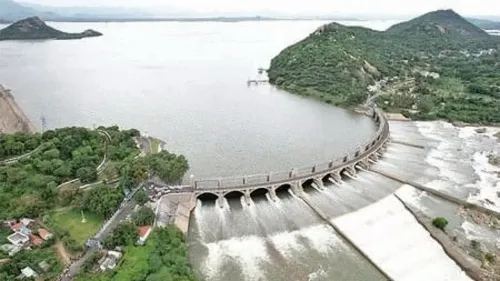
Delayed water release from Mettur reservoir and prolonged high temperatures were the primary causes of area contraction and crop damage.
Tamil Nadu Civil Supplies Corporation officials expect paddy procurement across the delta to decline in line with the fall in cultivated area.
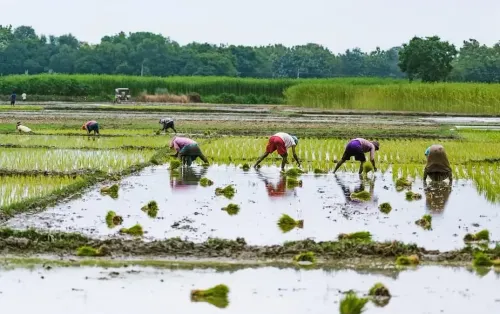
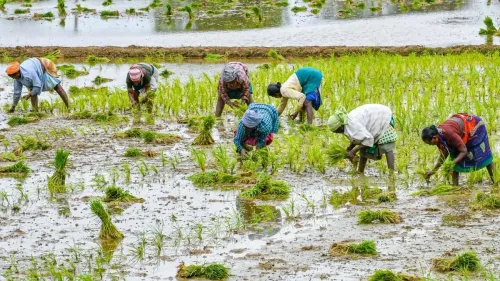
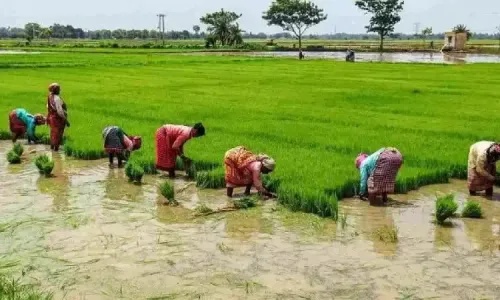
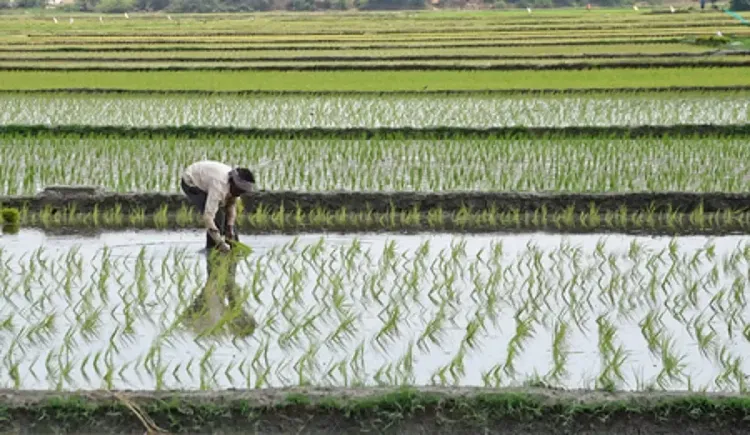
Farmers across the Cauvery delta districts of Tamil Nadu have reported sharply uneven results from the ongoing kuruvai paddy harvest this season, with fields reaped early delivering reasonable yields and late-harvested crops showing a marked decline. Prolonged high temperatures and inadequate irrigation — compounded by the delayed release of water from the Mettur reservoir — have together squeezed both cultivated area and productivity across the delta.
District-Wise Cultivation Decline
The contraction in sown area is stark across most districts. In Thanjavur, kuruvai cultivation fell from 79,800 hectares last year to 64,755 hectares this season. Harvesting has been completed on roughly 37,700 hectares, with an average yield of 5,500 kg per hectare — broadly matching last year's figure. Agriculture officials, however, have cautioned that the average could slip further as heat-affected fields still awaiting harvest are counted in.
In Tiruvarur, the cultivated area dropped from 77,573 hectares to 46,339 hectares. Of the 25,658 hectares already harvested, the average yield stood at 4,468 kg per hectare, slightly above last year's 3,898 kg — though officials fear heat stress could erode that advantage in the remaining fields.
Nagapattinam recorded the steepest decline of all, with cultivated area collapsing from 30,000 hectares to just 1,720 hectares. Average yield also fell, from 4,940 kg to 4,200 kg per hectare. In Tiruchy, coverage slipped from 7,233 hectares to 5,763 hectares, with cultivation concentrated mainly in Lalgudi where farmers relied on borewells; Anthanallur and Manachanallur recorded only limited acreage.
Mayiladuthurai was the sole district to buck the trend, with kuruvai coverage rising from 39,700 hectares to 41,000 hectares.
Farmer Accounts from the Ground
The human cost is visible in the gap between this season and last. A farmer from Manathidal village in Thanjavur reported his yield fell to 30 bags of 60 kg each per acre, against 45 to 50 bags in the previous season. He noted that in neighbouring villages, roughly half the farmers secured a satisfactory harvest while the rest suffered poor yields.
In Tirumarugal block, Nagapattinam, a farmer said four acres that produced about 170 bags of 62 kg each last year yielded only 47 bags this season — a loss of more than 70% in output on the same land.
By contrast, farmers in Tirukkattupalli who completed harvesting in August managed around 5,500 kg per hectare, reflecting the advantage of early sowing and timely reaping before peak heat set in.
Root Causes: Water Scarcity and Heat Stress
Officials and farmers alike point to two compounding factors. First, water was not released from the Mettur reservoir at the scheduled start of the kuruvai season, forcing many cultivators to either delay planting or abandon cultivation altogether — directly explaining the area contraction in Nagapattinam and Tiruvarur. Second, prolonged high temperatures during the crop's critical grain-filling stage damaged standing crops, reducing per-hectare productivity even where sowing had taken place.
This is not an isolated occurrence; the Cauvery delta has faced recurring water-sharing disputes and erratic monsoon patterns over the past decade, making each kuruvai season a high-stakes gamble for delta farmers dependent on assured irrigation.
Procurement Outlook
Officials of the Tamil Nadu Civil Supplies Corporation have said paddy procurement across the delta is expected to decline in line with the significant contraction in total cultivated area. The procurement shortfall will likely translate into tighter state buffer stocks and could affect the region's contribution to Tamil Nadu's public distribution system. How the state government responds — through relief packages, input subsidies, or supplementary procurement from other regions — will be closely watched by farming communities across the delta.
Point of View
000 hectares to 1,720 — is not a weather anomaly but a policy failure made visible. The Mettur reservoir release schedule has been a recurring flashpoint for delta farmers, and another delayed release in 2026 has produced a predictable outcome. What is missing from the official narrative is accountability: who bears responsibility for the timing decision, and what compensation framework exists for farmers who could not sow at all? The procurement shortfall will not be visible in state-level aggregate numbers, but it will be felt acutely in households across five districts that depend on kuruvai income to finance the subsequent samba season.
NationPress
21 Sept 2026
Frequently Asked Questions
What is the kuruvai paddy season in Tamil Nadu?
Kuruvai is the short-duration, early kharif paddy crop cultivated in the Cauvery delta districts of Tamil Nadu, typically sown between June and July and harvested by September-October. It depends heavily on timely water release from the Mettur reservoir and adequate monsoon rainfall.
Why did kuruvai cultivation area fall sharply in 2026?
Water was not released from the Mettur reservoir at the start of the kuruvai season, forcing many farmers in districts like Nagapattinam and Tiruvarur to reduce sown area or abandon cultivation entirely. Prolonged high temperatures further damaged standing crops and reduced per-hectare yields.
Which district recorded the steepest decline in kuruvai cultivation?
Nagapattinam recorded the most severe contraction, with cultivated area falling from 30,000 hectares last year to just 1,720 hectares this season — a drop of over 94%. Average yield in the district also declined from 4,940 kg to 4,200 kg per hectare.
How will the poor kuruvai harvest affect paddy procurement in Tamil Nadu?
Officials of the Tamil Nadu Civil Supplies Corporation have said procurement across the Cauvery delta is expected to decline in proportion to the significant fall in total cultivated area. This could tighten state buffer stocks and affect the region's contribution to the public distribution system.
Were any districts unaffected by the kuruvai shortfall?
Mayiladuthurai was the only district to register an increase in kuruvai cultivation this season, with area rising from 39,700 hectares to 41,000 hectares. In Tiruvarur, per-hectare yield also improved slightly despite the overall area decline, though officials have cautioned that heat stress may affect unharvested fields.