Tamil Nadu to deploy heavy-lift drones, smart fencing against forest fires
Synopsis
Tamil Nadu is positioning itself as India's first state to deploy an end-to-end tech stack for forest protection — heavy-lift drones carrying a tonne of water for fires, smart electric fencing to stop elephant raids, and satellite cameras tracking animal movement in real time. If it delivers, it could set a national template for climate-era forest management.
Key Takeaways
Tamil Nadu plans to deploy heavy-lift drones carrying up to one tonne of water to fight forest fires in remote terrain.
Smart electric fencing will be installed along forest boundaries to prevent elephants and other wildlife from entering villages and farmland.
Satellite-based cameras will provide real-time monitoring of animal movement to enable early warnings for forest officials.
Forests Minister R.V.
Ranjith Kumar stated Tamil Nadu is set to become the first state in India to deploy such an integrated wildlife-tech system.
The initiative targets both public safety and wildlife conservation , with direct benefits for farming communities near forest edges.
Tamil Nadu is set to become the first state in India to deploy an integrated technological system for forest fire response and human-wildlife conflict mitigation, with plans to introduce heavy-lift drones capable of carrying up to one tonne of water, smart electric fencing, and satellite-based surveillance cameras across its forested regions. The initiative was announced by Forests Minister R.V. Ranjith Kumar on 7 July, framing it as the state government's strategic response to climate-driven threats facing Tamil Nadu's forests.
Heavy-Lift Drones for Fire Response
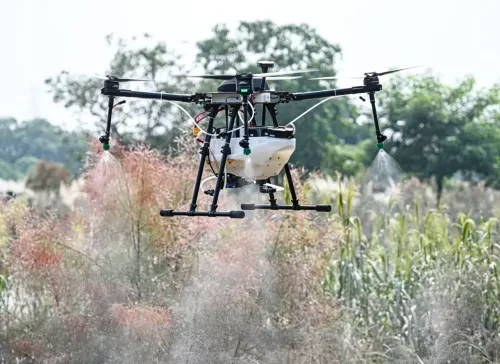
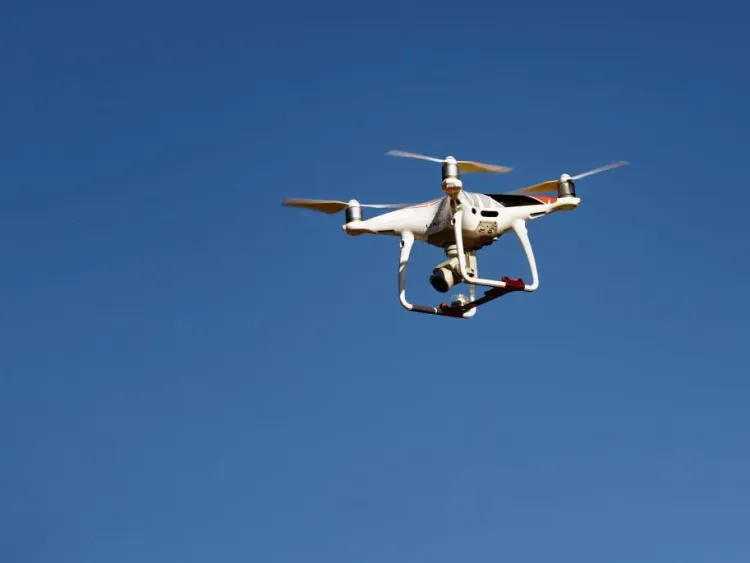
The Forest Department has already developed drone-based water spraying systems designed to rapidly transport and discharge large volumes of water over fire-affected zones. The heavy-lift drones — each capable of carrying up to one tonne of water — are expected to dramatically improve response times in remote and inaccessible forest terrain where conventional firefighting vehicles and ground personnel routinely face delays. The deployment comes amid mounting concern over the impact of climate change, with rising temperatures and prolonged dry spells sharply elevating wildfire risk across several parts of the state during summer months.
Smart Fencing and Satellite Surveillance to Curb Human-Wildlife Conflict
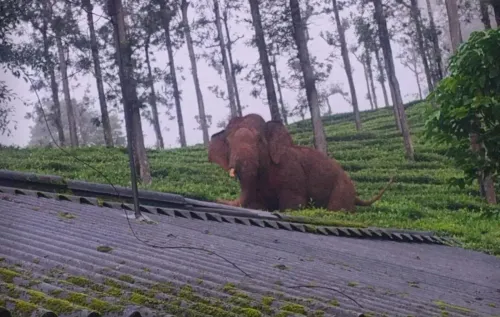
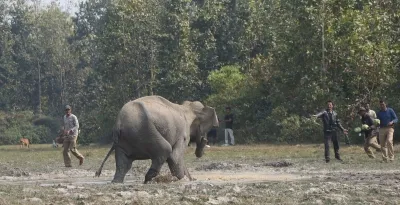
On the wildlife conflict front, the government is preparing to install smart electric fencing along forest boundaries to prevent elephants and other wild animals from straying into villages and agricultural fields. The fencing is intended to reduce both attacks on people and crop damage suffered by farming communities living near forest edges. Complementing this, satellite-based cameras will be positioned to continuously monitor animal movement in forest areas and along established migration corridors. The real-time surveillance data is expected to enable forest officials to issue timely alerts and intervene before animals enter human habitations.
Tamil Nadu Eyeing a First in India
According to Minister Ranjith Kumar, Tamil Nadu is on track to become the first state in India to deploy such a comprehensive, technology-integrated system for wildlife monitoring and conflict mitigation. This comes amid a broader national conversation about the frequency and severity of human-wildlife conflict incidents, particularly in states with significant elephant corridors. Notably, Tamil Nadu has recorded repeated incidents of elephant intrusions in districts bordering the Nilgiris and Anamalai forest ranges in recent years.
Broader Conservation and Safety Goals
The project is designed to serve a dual purpose: improving public safety for communities near forest boundaries while simultaneously strengthening wildlife conservation outcomes. Farmers who have long borne the economic cost of crop raids and property damage stand to benefit directly from the fencing and early-warning infrastructure. The integrated system also aligns with national commitments under India's wildlife protection frameworks and its climate adaptation goals. Separately, Minister Ranjith Kumar also inspected a railway level crossing near the Old Railway Station in Kancheepuram, reviewing a proposal to convert a one-way road into a two-way carriageway to ease local traffic congestion. Southern Railway authorities indicated that steps would be taken to implement the road improvement work.
What Comes Next
Implementation timelines for the drone deployment and fencing rollout have not yet been officially specified, but the Forest Department has indicated that preparatory groundwork — including drone systems — is already in place. With Tamil Nadu's forest fire season intensifying annually and human-wildlife conflict incidents rising in buffer zones, the pressure to operationalise these systems quickly is significant. Observers will watch whether the state can translate the announcement into field-level deployment before the next summer fire cycle.
Point of View
But the gap between press-conference technology and field-level deployment has historically been wide in Indian forest management. Heavy-lift drone firefighting is largely unproven at scale in Indian terrain, and smart fencing projects in other states — including Karnataka and Kerala — have had mixed outcomes due to maintenance gaps and power supply failures. Tamil Nadu's claim to be 'first in India' deserves scrutiny: the real test is not the rollout announcement but whether the systems are operational and maintained through the next fire season. Human-wildlife conflict is also a governance problem as much as a technology one — fencing alone does not address shrinking corridors or encroachment pressures that push animals toward human settlements in the first place.
NationPress
6 Oct 2026
Frequently Asked Questions
What are the heavy-lift drones Tamil Nadu plans to deploy for forest fires?
Tamil Nadu's Forest Department has developed drone-based water spraying systems capable of carrying up to one tonne of water to extinguish fires in remote forest areas. These drones are designed to reach terrain inaccessible to conventional firefighting vehicles and personnel.
How will smart electric fencing help reduce human-wildlife conflict in Tamil Nadu?
Smart electric fencing will be installed along forest boundaries to physically prevent elephants and other wild animals from entering villages and agricultural fields. The goal is to reduce attacks on people and crop damage suffered by farming communities living near forests.
What role will satellite cameras play in Tamil Nadu's wildlife surveillance system?
Satellite-based cameras will continuously monitor animal movement in forest zones and along migration corridors, feeding real-time data to forest officials. This is intended to enable timely alerts and preventive action before animals stray into human habitations.
Will Tamil Nadu be the first state in India to use this technology?
According to Forests Minister R.V. Ranjith Kumar, Tamil Nadu is expected to become the first state in India to deploy such an integrated technological system combining drones, smart fencing, and satellite surveillance for wildlife monitoring and conflict mitigation.
Who benefits from this forest technology initiative?
The initiative primarily benefits farming communities near forest boundaries who face crop damage and safety risks from wildlife, as well as forest officials who will gain better tools for fire response and animal tracking. It also serves broader wildlife conservation goals by reducing retaliatory conflict.