Aavin parlour rent hike: PMK seeks rollback for 213 outlets

Synopsis
Aavin's latest rent revision affects 213 parlours in Chennai and its suburbs. PMK leader Anbumani Ramadoss says an operator who paid ₹2,000 before the March revision would now pay ₹9,912 a month, and has called for the latest increase to be reversed.
Key Takeaways
PMK leader Anbumani Ramadoss sought a rollback of a 140 per cent rent increase affecting 213 Aavin parlours in Chennai and its suburbs.
Ramadoss said the latest revision raised monthly rent, including GST, from ₹4,130 to ₹9,912 .
He said an operator who paid ₹2,000 before the March revision would now pay ₹7,912 more each month.
Ramadoss said the order issued on 3 March introduced rates of ₹4,130 , ₹5,900 and ₹8,260 .
Women, including widows, and persons with disabilities were among those dependent on the outlets, according to Ramadoss.
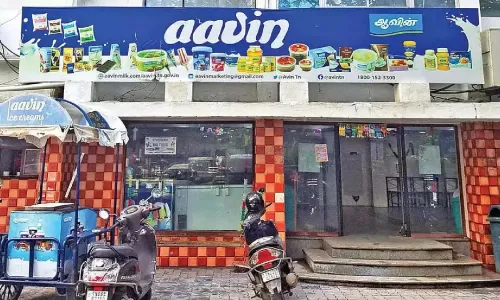
Pattali Makkal Katchi (PMK) leader Anbumani Ramadoss on Tuesday, 24 November, urged Aavin to roll back a 140 per cent rent increase affecting 213 milk parlours in Chennai and its suburbs. He said the second increase of the year threatened the livelihoods of small traders who depend on the outlets.
In a statement, Ramadoss said the latest revision raised the monthly rent, including GST, from ₹4,130 to ₹9,912. He argued that the commission earned on milk sales left operators with little room to absorb the higher cost.
How much rents have increased
According to Ramadoss, the latest change requires affected operators to find an additional ₹5,782 a month to run parlours on land owned by Aavin or local bodies. The figure includes GST in both the previous and revised rent amounts.
He said the impact was greater when measured against rents paid before the first revision in March. An operator who had paid ₹2,000 a month before that change would now pay ₹7,912 more each month, he said.
That would take the rent to nearly five times its original level, a cumulative increase of about 400 per cent, according to Ramadoss. His comparison describes the combined effect of both revisions, rather than the latest increase alone.
The earlier revision in March
Ramadoss said the first increase followed an order issued on 3 March under the previous Dravida Munnetra Kazhagam (DMK) government. Before that revision, he said, parlour operators paid between ₹2,000 and ₹2,500 a month.
The March order introduced monthly rates of ₹4,130, ₹5,900 and ₹8,260, with increases of up to 230 per cent, he said. Operators were already struggling to meet those revised rates when the second increase was announced, according to the PMK leader.
Impact on parlour operators
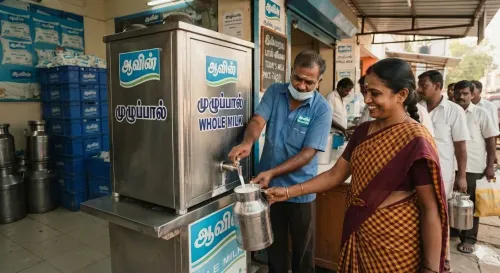
Milk accounts for most of the business at the parlours, Ramadoss said, while customers buy other Aavin products in much smaller quantities. He said those additional sales generated little extra income for retailers.
Given the commission paid on milk sales, he argued that higher rent would take away a substantial part of what operators earn. His appeal focused on the cost of keeping outlets open as well as the effect on individual traders.
Ramadoss said many operators had opened their parlours because they had little capital and no other means of earning a living. Women, including widows, and persons with disabilities were among those dependent on the outlets, he said.
Call for Aavin to reverse the increase
Citing Aavin's responsibility to serve the public, Ramadoss called for an immediate reversal of the latest rent increase. He said a rollback would help traders continue selling milk in the neighbourhoods they serve.
The statement did not specify any response from Aavin to his request. The question ahead is whether the organisation will reconsider the latest revision for the 213 affected parlours.
Point of View
Not just the latest percentage. Aavin should publish the basis for its rates and explain how it assessed the effect on operators and neighbourhood milk access.
NationPress
24 Nov 2026
Frequently Asked Questions
What is the Aavin parlour rent hike?
PMK leader Anbumani Ramadoss says Aavin has raised the monthly rent for 213 parlours in Chennai and its suburbs by 140 per cent. He says the latest revision takes rent, including GST, from ₹4,130 to ₹9,912.
Why does Anbumani Ramadoss want the rent increase reversed?
Ramadoss says the increase threatens the livelihoods of small traders who depend on Aavin parlours. He argues that their milk-sales commission and limited income from other products leave little room to pay higher rent.
How much did Aavin parlour rents rise after the March revision?
Ramadoss says the March order introduced monthly rates of ₹4,130, ₹5,900 and ₹8,260, with increases of up to 230 per cent. He says operators had previously paid between ₹2,000 and ₹2,500 a month.
Who is affected by the Aavin parlour rent hike?
The latest increase affects operators of 213 Aavin parlours in Chennai and its suburbs, according to Ramadoss. He says women, including widows, and persons with disabilities are among those who depend on the outlets.
Will Aavin roll back the parlour rent increase?
No decision on a rollback was specified in the statement described in the report. Ramadoss has asked Aavin to reverse the latest increase immediately.