Aavin proposes ₹5 per litre milk price hike in Tamil Nadu, awaits state nod

Synopsis
Aavin, Tamil Nadu's cooperative milk supplier, has proposed a ₹5 per litre retail price increase — its first significant revision in recent memory — citing a three-way financial squeeze on the cooperative, its outlet operators, and the wider distribution network. With private brands selling at over ₹75 a litre, Aavin's affordability is both its strength and its financial liability, and the state government's decision could reshape dairy access for millions of households.
Key Takeaways
Aavin has proposed a ₹5 per litre retail milk price increase, pending Tamil Nadu government approval.
Of the proposed hike, ₹4 would go to the cooperative and Re 1 to outlet operators, who currently earn just 75 paise per packet .
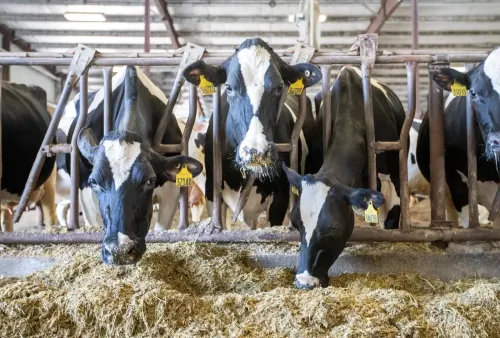
Aavin procures around 35 lakh litres daily; Chennai alone accounts for approximately 15 lakh litres in sales.
Current prices range from ₹20 (blue, 500 ml) to ₹30 (orange, 500 ml), far below private brands at over ₹75 per litre .
New outlets have reportedly been shutting down within months across several districts due to unviable commissions.
Karnataka recently raised milk prices by up to ₹8 per litre , cited by Aavin sources as a regional reference point.
Tamil Nadu's cooperative milk supplier Aavin has formally recommended a ₹5 per litre increase in its retail milk prices, citing mounting financial pressure on the cooperative and hardships faced by its network of outlet operators. The proposed revision, submitted for state government consideration, will take effect only if Chennai-based authorities grant approval — and existing prices remain in force until then.
How the Proposed Hike Would Be Split
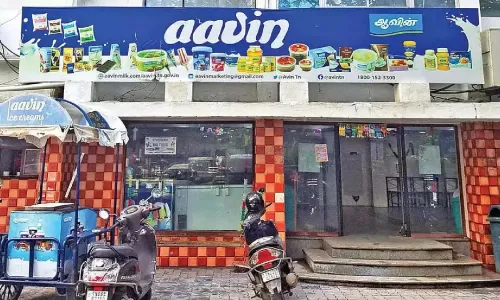
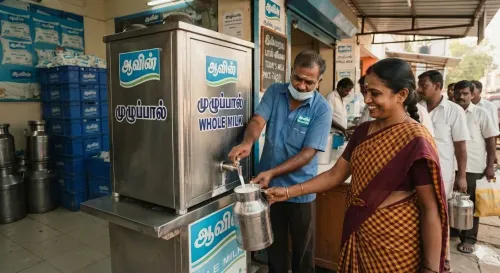
According to Aavin sources, ₹4 from the proposed increase would accrue to the cooperative itself, while the remaining Re 1 would be passed on to outlet operators. The inclusion of a retailer component reflects longstanding concerns about the viability of Aavin's distribution network. Currently, outlet operators receive a commission of just 75 paise per packet — an amount they say is insufficient to cover electricity charges, shop rents, and other running expenses.
Sources noted that the financial strain has led to a troubling pattern: newly opened outlets shutting down within months of launch, a trend reportedly observed across several districts in Tamil Nadu.
Current Prices and the Scale of Operations
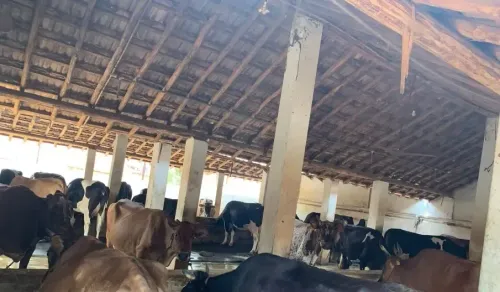
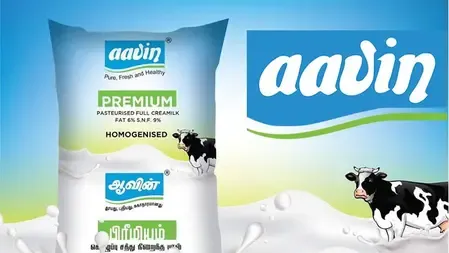
Aavin procures approximately 35 lakh litres of milk daily, with sales in Chennai alone accounting for around 15 lakh litres. Its affordable pricing has made it a critical supplier to both households and commercial establishments. As of now, a 500 ml orange milk packet is priced at ₹30, while green and purple packets of the same size cost ₹24. The blue packet retails at ₹20.
Commercial Demand Squeezing Household Supply
The wide price gap between Aavin and private dairy brands has drawn heavy commercial interest. Private companies sell milk at upwards of ₹75 per litre, according to sources, making Aavin's rates significantly more attractive to hotels, tea shops, and sweet shops. The surge in bulk commercial purchases has, in several instances, left retail outlets with insufficient stock for household consumers — a supply equity concern that the cooperative has flagged alongside pricing.
Farmers, Cooperative, Retailers: A Three-Way Squeeze
Aavin sources explained that low selling prices had placed simultaneous pressure on farmers, the cooperative, and outlet operators. The government's recent revision to milk procurement prices offered some relief to farmers. However, sources said the financial concerns of the cooperative and its retail network remained unaddressed, prompting the submission of the retail price revision proposal.
Notably, the recommendation points to Karnataka's recent milk price increases of up to ₹8 per litre as a regional benchmark, arguing that Tamil Nadu's proposed ₹5 revision is comparatively modest.
What Happens Next
The proposal now rests with the Tamil Nadu state government, which has the final say on any price revision. No timeline for a decision has been indicated publicly. If approved, the hike would mark the first significant retail price change for Aavin in recent memory and could have a direct bearing on household budgets across the state, particularly in Chennai where daily milk sales are highest.
Point of View
And the pattern of new outlets closing within months is a quiet operational crisis that risks eroding Aavin's last-mile reach. The government faces a genuinely difficult political calculus — any price increase affects millions of low-income households who depend on subsidised milk, yet inaction risks the cooperative's financial stability. Karnataka's ₹8 hike gives the Tamil Nadu government political cover to approve a smaller revision, but the deeper question is whether a one-time ₹5 fix addresses the structural mismatch between procurement costs, operational overheads, and retail pricing — or merely defers it.
NationPress
2 Nov 2026
Frequently Asked Questions
What is Aavin's proposed milk price hike in Tamil Nadu?
Aavin has proposed increasing its retail milk prices by ₹5 per litre, with ₹4 going to the cooperative and Re 1 to outlet operators. The revision is pending Tamil Nadu state government approval and has not yet taken effect.
Why is Aavin seeking a price increase?
Aavin cited financial pressure from rising operating expenses, inadequate commissions for outlet operators — currently just 75 paise per packet — and low selling prices that strain the cooperative's finances. The cooperative also noted that the government's recent procurement price increase helped farmers but left the cooperative and retail network's concerns unaddressed.
What are the current Aavin milk prices?
As of now, a 500 ml orange packet costs ₹30, green and purple packets of the same size are priced at ₹24, and the blue 500 ml packet sells for ₹20. These prices remain in place until the state government acts on the proposal.
How does Aavin's pricing compare with private milk brands?
Private dairy companies sell milk at upwards of ₹75 per litre, according to sources, making Aavin significantly cheaper. This gap has driven heavy commercial demand from hotels, tea shops, and sweet shops, sometimes leaving retail outlets short of stock for household consumers.
Has any other state recently increased cooperative milk prices?
Yes, Karnataka recently raised its cooperative milk prices by up to ₹8 per litre. Aavin sources cited this as a regional benchmark, noting that the ₹5 revision proposed for Tamil Nadu is comparatively lower.