Neelakurinji blooming in Gudalur: Tamil Nadu bans public entry to protect wildlife

Synopsis
Neelakurinji blooms only once every 12 years — but this cycle, the purple-blue spectacle in Gudalur has become a crowd-management crisis. With elephant herds sharing the same corridors and the plant now legally protected under the Wildlife Act, Tamil Nadu has shut the sites to the public entirely, and the toll-free helpline is open for tip-offs.
Key Takeaways
The Tamil Nadu Forest Department has banned public entry to Neelakurinji blooming sites in the Gudalur region of the Nilgiris .
Neelakurinji ( Strobilanthes Kunthiana ) flowers only once every 12 years ; this cycle it has bloomed at Naadukani , Oosimalai , O'Valley , and Gudalur .
The plant was added to Schedule III of the Wildlife (Protection) Act, 1972 in 2023 ; violations carry up to 3 years imprisonment and a fine of ₹25,000 .
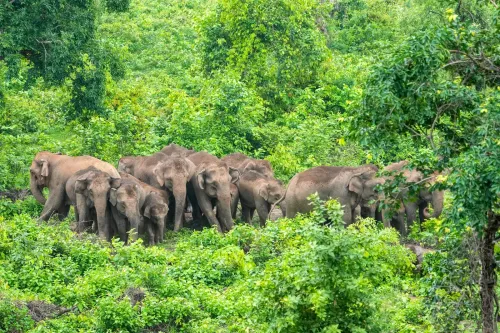
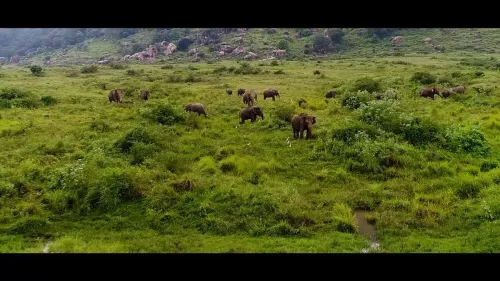
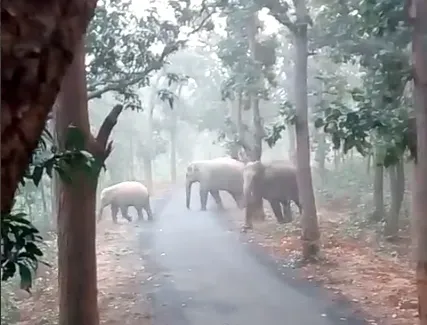
Gudalur is a major human-elephant conflict zone; blooming sites overlap with active elephant movement corridors.
The public can report trespassing or plant damage on the Gudalur Forest Division toll-free helpline: 1800-425-4353 .
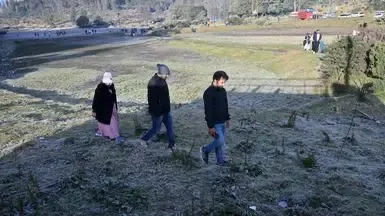
The Tamil Nadu Forest Department has restricted public access to Neelakurinji blooming sites in the Gudalur region of the Nilgiris, citing serious risks to both wildlife and visitors following a surge of hundreds of tourists to the area in recent days. The rare flowering event, which occurs only once every 12 years, has turned ecologically sensitive elephant corridors into unsanctioned tourist hotspots.
Where the Flowers Have Bloomed
Neelakurinji (Strobilanthes Kunthiana), known for its striking purple-blue blossoms, has flowered across several locations including Naadukani, Gudalur, Oosimalai, and O'Valley. The once-in-a-decade spectacle has drawn nature enthusiasts, wildlife photographers, and social media influencers, many travelling specifically to capture images and videos of the blooms.
Why Authorities Have Stepped In
Forest officials warned that the flowering patches lie inside or adjacent to forested landscapes that serve as critical habitats and movement corridors for wild elephants and other animals. Unchecked human presence, they said, risks disturbing wildlife, degrading the fragile ecosystem, and sharply increasing the likelihood of dangerous human-animal encounters.
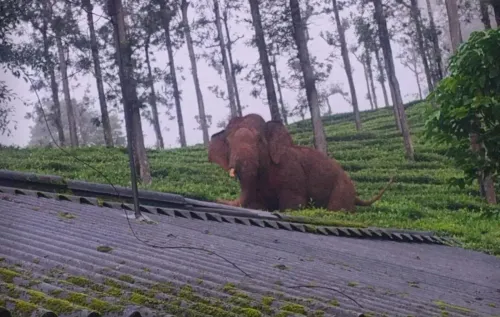
Gudalur is already identified as one of Tamil Nadu's major human-elephant conflict zones, making the influx of visitors particularly concerning. Officials noted that elephant herds regularly use the very areas where the blooms have appeared.
Legal Protections and Penalties
Naadukani Forest Range Officer Ravi pointed out that the Ministry of Environment, Forest and Climate Change added Neelakurinji to Schedule III of the Wildlife (Protection) Act, 1972 in 2023, granting the plant formal legal protection. Anyone found plucking flowers or damaging the plants now faces imprisonment of up to three years, a fine of ₹25,000, or both, he warned.
Repeated Warnings Ignored
Despite multiple oral warnings issued by forest staff over the preceding days, visitors continued to enter restricted zones, compelling the department to impose stricter enforcement measures. This pattern — of informal advisories being disregarded until formal restrictions are enforced — has been observed during previous Neelakurinji blooming cycles as well, underscoring the difficulty of managing mass tourism around rare natural events.
What the Public Can Do
The Tamil Nadu Forest Department has appealed to residents and tourists alike to avoid the Neelakurinji blooming sites and respect the ecological importance of the region. Anyone with information on trespassing, flower plucking, or damage to protected plants is urged to contact the Gudalur Forest Division's toll-free helpline at 1800-425-4353. Authorities have not announced when, or whether, any controlled access will be permitted before the blooming season ends.
Point of View
But enforcement infrastructure — ranger presence, signage, pre-season public advisories — clearly was not scaled to match. Gudalur's chronic human-elephant conflict makes the stakes higher than a trampled shrub; a tourist encounter with an elephant herd in a narrow forest corridor can turn fatal. The real question is whether the Forest Department will use this cycle to build a controlled-access model — timed entry, guided paths, buffer zones — before the next bloom arrives in 2037, or whether the same crisis will repeat.
NationPress
26 Oct 2026
Frequently Asked Questions
Why has Tamil Nadu banned public entry to Neelakurinji blooming sites?
The Tamil Nadu Forest Department restricted access because the blooming sites in Gudalur lie within or adjacent to active elephant corridors, making unregulated visits both environmentally damaging and dangerous. The surge of hundreds of visitors in recent days raised serious concerns about human-wildlife conflict.
How often does Neelakurinji bloom, and where is it flowering now?
Neelakurinji (Strobilanthes Kunthiana) flowers only once every 12 years. In the current cycle, it has bloomed at Naadukani, Gudalur, Oosimalai, and O'Valley in the Nilgiris district of Tamil Nadu.
Is it illegal to pluck Neelakurinji flowers?
Yes. The Ministry of Environment, Forest and Climate Change added Neelakurinji to Schedule III of the Wildlife (Protection) Act, 1972 in 2023. Anyone found plucking flowers or damaging the plants faces up to three years in prison, a fine of ₹25,000, or both.
Who should I contact to report trespassing at Neelakurinji sites?
The Tamil Nadu Forest Department has set up a toll-free helpline at 1800-425-4353 for the Gudalur Forest Division. Members of the public can use this number to report trespassing, flower plucking, or any damage to the protected plants.
Why is Gudalur considered a high-risk area for visitors near the blooming sites?
Gudalur is one of Tamil Nadu's most active human-elephant conflict zones. The Neelakurinji flowering patches overlap with areas regularly used by elephant herds as habitat and movement corridors, significantly raising the risk of dangerous encounters for unsupervised visitors.