Tripura grape revolution: First sweet harvest sparks 18-variety trial push
Synopsis
Tripura just pulled off something the Northeast has never managed at scale — a successful sweet grape harvest. With 18 more varieties heading for trial, KVK Unakoti back in action after two decades, and processing units on the roadmap, the state is quietly betting that wine and table grapes can join pineapple and queen oranges on its export shelf.
Key Takeaways
Tripura will conduct trials on 18 additional grape varieties to identify cultivars suited to its agro-climate.
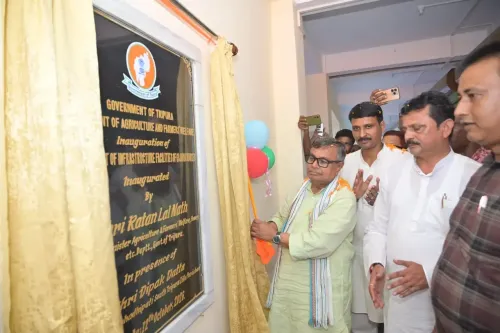
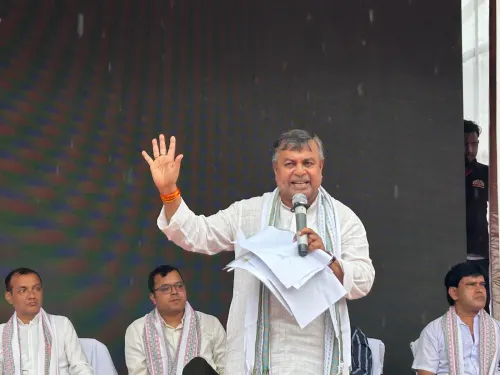
Minister Ratan Lal Nath made the announcement on 3 June 2025 at Chandipur, Unakoti district .
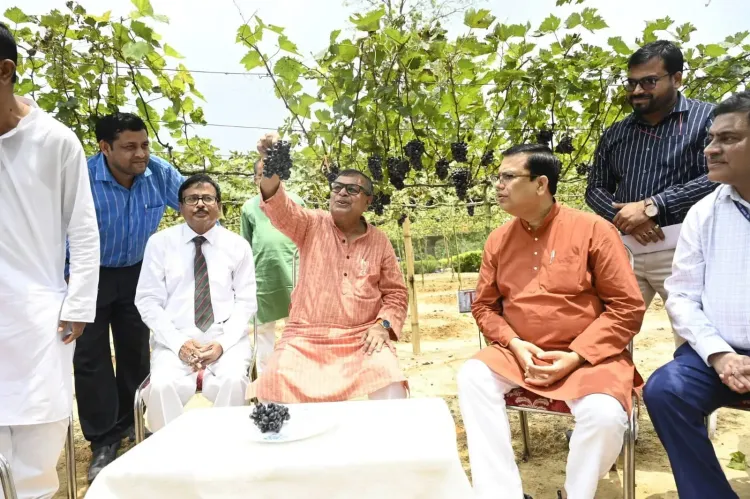
Sweet grapes have been cultivated successfully for the first time in the Northeast; scientists have so far developed four varieties , including two wine grape varieties .
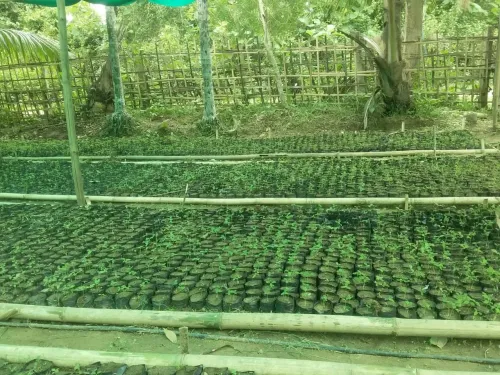
KVK Unakoti resumed grape R&D in 2024 after a near two-decade pause; six varieties were sourced from ICAR–NRC Grapes in September 2024.
India's average grape productivity is around 24 metric tonnes per hectare , the benchmark Tripura aims to approach.
Future plans include cluster vineyards, farmer training, and small-scale grape juice and RTS beverage processing units.
The Tripura government will launch trials on 18 additional grape varieties and scale up research, training and farmer support to transform the Northeastern state into a viable grape-growing belt, Agriculture and Farmers' Welfare Minister Ratan Lal Nath announced on 3 June 2025. The push follows the state's first successful cultivation of sweet grapes at an orchard in Chandipur, Unakoti district.
Key announcements at Chandipur
Speaking at a field day-cum-awareness programme on commercial grape cultivation and the launch of NABARD-funded projects, Nath said the government would intensify research, develop region-specific cultivation technologies, and roll out comprehensive farmer training. He also distributed power-operated agricultural equipment to growers to encourage mechanised, modern practices.
A first for the Northeast
Nath visited an orchard where sweet grapes have been cultivated successfully for the first time in the Northeastern region — a milestone for a state long considered unsuitable for the fruit. Scientists have so far developed four grape varieties in Tripura, including two wine grape varieties, following years of research.
The Minister noted that India's average grape productivity stands at around 24 metric tonnes per hectare, and expressed confidence that Tripura could emerge as a promising grape belt through scientific interventions.
The KVK Unakoti revival
After a near two-decade gap, the Krishi Vigyan Kendra (KVK) Unakoti resumed grape research and development in 2024. Preliminary results have been encouraging on sweetness, yield and fruit quality, Nath said. In September 2024, six varieties were sourced from the ICAR–National Research Centre for Grapes and planted under experimental conditions.
Challenges still on the vine
Nath acknowledged that several hurdles continue to constrain large-scale cultivation: insufficient fruit sweetness, limited suitability of introduced varieties, excessive rainfall, high humidity, non-availability of specific agrochemicals, and patchy technical awareness among farmers. To counter these, scientists have deployed improved nutrient management and growth regulators, with early results described as promising.
The roadmap ahead
Beyond the 18-variety trial, the action plan covers cluster-based vineyards across suitable locations, intensive farmer training, and the establishment of small-scale grape juice and Ready-to-Serve (RTS) beverage processing units to boost value addition. The government also plans training on post-harvest management and policy recommendations based on ongoing field findings.
Sports and Youth Affairs Minister Tinku Roy, senior officials of the Directorate of Horticulture, scientists and local farmers attended the Chandipur programme. With trials widening and processing units on the drawing board, the next two seasons will test whether Tripura's grape experiment can move from orchard novelty to commercial reality.
Point of View
Not seasonal, problems for viticulture. The real signal here is institutional: KVK Unakoti reopening grape R&D after nearly twenty years suggests the state is finally treating horticulture diversification as policy, not pilot. The wine-grape angle is the sleeper story; if even one of the 18 trial varieties survives the monsoon cycle commercially, Tripura could carve a niche the bigger Northeastern states have not touched. But without cold-chain and processing capacity moving in parallel, sweet grapes alone will not build an industry.
NationPress
21 Oct 2026
Frequently Asked Questions
What did Tripura's Agriculture Minister announce on 3 June 2025?
Minister Ratan Lal Nath announced that the Tripura government will conduct trials on 18 additional grape varieties and intensify research, training and farmer support for commercial grape cultivation. The announcement was made at a field day-cum-awareness programme at Chandipur in Unakoti district, alongside the launch of NABARD-funded projects.
Why is the sweet grape harvest in Tripura significant?
It marks the first time sweet grapes have been successfully cultivated in the Northeastern region, which has long been considered unsuitable for the fruit due to high humidity and excessive rainfall. The success opens the door to commercial viticulture in non-traditional grape-growing zones.
What role is KVK Unakoti playing in the grape push?
Krishi Vigyan Kendra (KVK) Unakoti resumed grape research and development in 2024 after a gap of nearly two decades. Preliminary results have shown encouraging performance on sweetness, yield and overall fruit quality.
What challenges does grape cultivation face in Tripura?
Key challenges include insufficient fruit sweetness, limited suitability of introduced varieties, excessive rainfall, high humidity, non-availability of certain agrochemicals, and inadequate technical knowledge among farmers. Scientists are using improved nutrient management and growth regulators to address quality issues.
What is the government's future plan for grape farmers?
The roadmap includes cluster-based vineyards, extensive farmer training, post-harvest management programmes, and the establishment of small-scale grape juice and Ready-to-Serve beverage processing units. The government also plans to formulate policy recommendations based on ongoing research findings.