Tripura power infrastructure: 21 substations, 408 km underground cables laid
Synopsis
Tripura's power overhaul is bigger than the headline numbers suggest — 21 high-voltage substations, 408 km of underground cables, drone monitoring, and solar access for over 11,000 tribal families. But a ₹80 crore audit flag on smart meters and a fresh tariff controversy show that infrastructure ambition and governance accountability don't always move in step.
Key Takeaways
132 kV substations in Tripura have increased from 12 to 21 , with 2 more under construction; 33 kV substations up from 44 to 75 , with 18 more in progress.
408 km of underground cables and 1,464 circuit km of covered conductors installed to reduce storm-related outages.
11,692 Reang families have received first-time electricity connections; 4,540 rooftop solar systems installed under PM Surya Ghar: Muft Bijli Yojana , generating 15.5 MW .
Government provides 100% subsidy on latest tariff hike; excess already paid by consumers to be adjusted in future bills.
Around 4 lakh consumers have smart meters; Indian Audit and Accounts Department flagged irregularities in a ₹80 crore smart-meter work order.
Drone technology and mobile substations are being introduced for real-time infrastructure monitoring and rapid restoration.
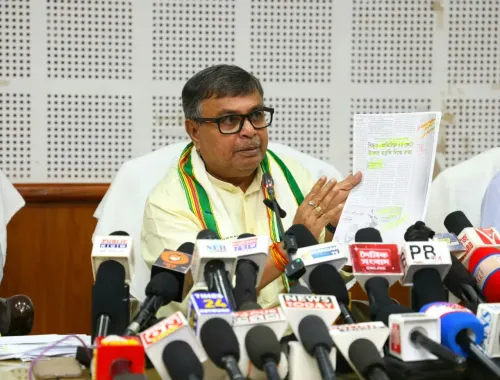
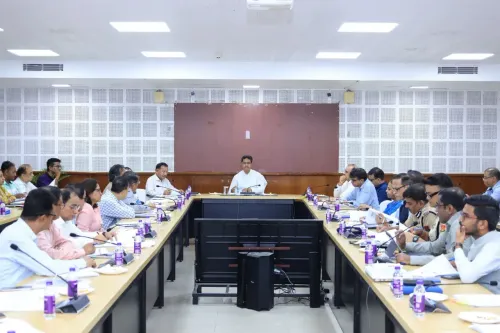
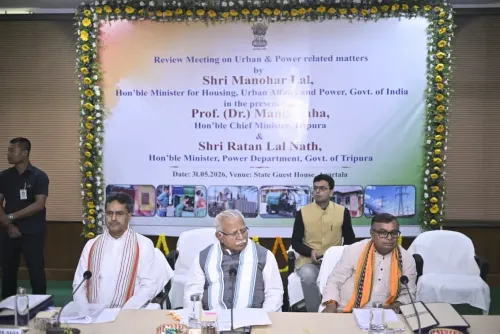
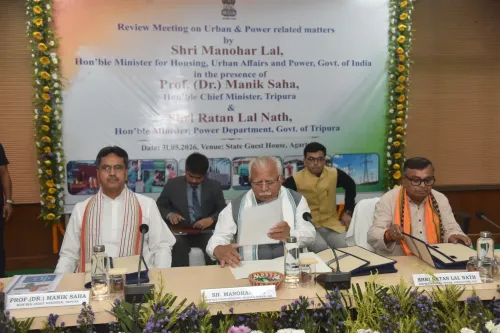
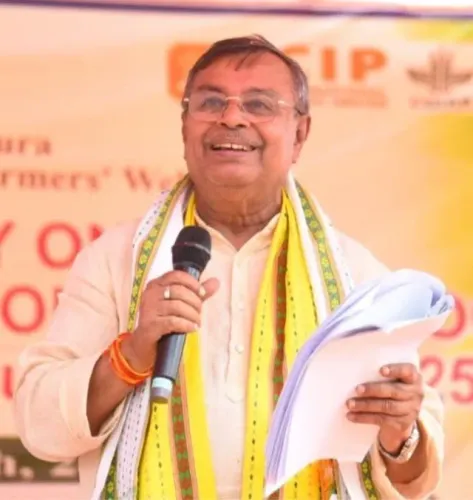
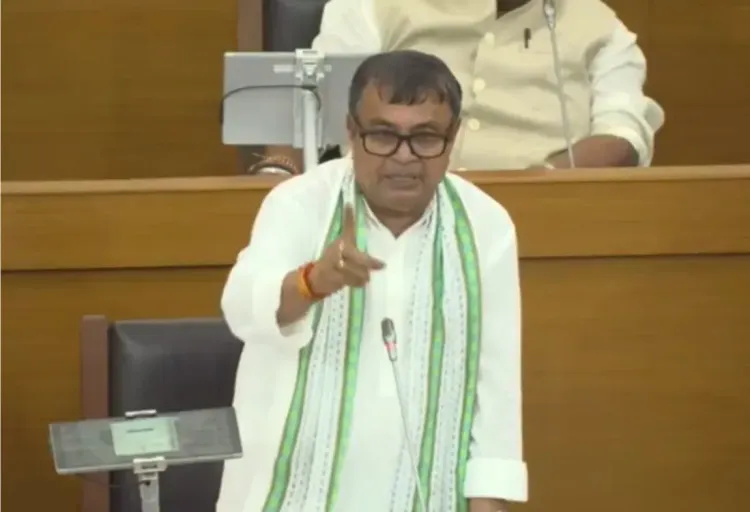
Tripura Power Minister Ratan Lal Nath on 28 August detailed an extensive overhaul of the state's electricity infrastructure in the Tripura Legislative Assembly during the first day of its Monsoon session, outlining substation expansions, underground cabling, drone monitoring, and solar access initiatives aimed at delivering uninterrupted power supply — especially during adverse weather.
Substation Expansion and Grid Strengthening
The number of 132 kV substations in Tripura has risen from 12 to 21, with work on two more currently underway, Nath told the Assembly. The 33 kV substation count has similarly grown from 44 to 75, and another 18 are under construction. These additions form the backbone of the state's bid to reduce outages and handle increased electricity demand across districts.
Notably, a new tower line has been established in Gandacherra, a region that previously lacked such infrastructure — a signal that the expansion is reaching historically underserved areas.
Underground Cables and Storm-Resilient Networks
To minimise disruptions caused by rain and cyclonic weather, 408 km of underground cables have been laid across the state. In addition, 272 km of railway-related power connectivity work has been completed. The department has also installed 1,464 circuit kilometres of covered conductors to shield the network during storms, with another 360 km of covered conductor work in progress.
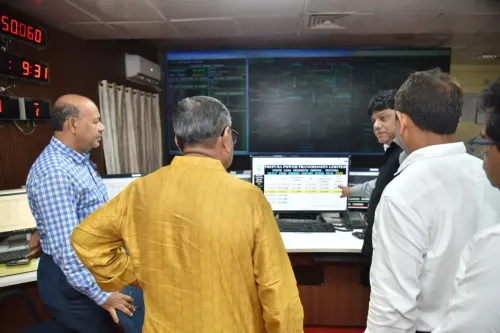
Work orders have been issued for live-line maintenance and the use of drone technology for infrastructure monitoring. The department is also working on establishing mobile substations to provide rapid-response power restoration. New technology has been introduced on the 79 Tilla Power Station–Rukhia corridor, with around 75 per cent of that work completed.
Solar Access and Tribal Electrification
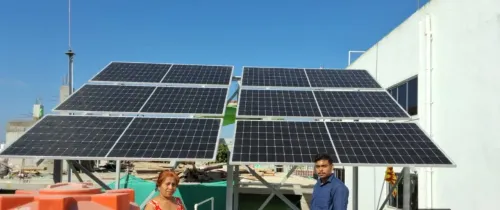
The state has provided electricity connections to 11,692 Reang families who previously had no access to power. Under the central scheme PM Surya Ghar: Muft Bijli Yojana, around 17,400 registrations have been recorded and 4,540 rooftop solar systems installed, generating approximately 15.5 MW of power.
The state government is also considering providing financial assistance for solar installations to around 1.5 lakh families in the first phase. Nath noted that nearly four lakh families in Tripura consume up to 50 units of electricity per month, making them prime beneficiaries of any subsidy-linked solar push.
Tariff Controversy and Government Response
Addressing criticism over rising electricity tariffs, Nath argued that the previous Left Front government had raised tariffs by 62 per cent in 2010 and by 116 per cent over its last eight years in office. By contrast, he said, the present government has increased tariffs by around 40 per cent over its eight years in power.
He clarified that tariff decisions are made by the Tripura Electricity Regulatory Commission, with the Tripura State Electricity Corporation Limited (TSECL) responsible for implementation. Following the latest tariff revision, Chief Minister Manik Saha intervened and the government decided to provide a 100 per cent subsidy on the additional tariff burden. Consumers who had already paid the higher amount will have the excess adjusted against future bills.
Smart Meters and Audit Concerns
Around four lakh consumers in Tripura have had smart meters installed, in line with a central government mandate being rolled out across multiple states. For comparison, Nath cited Himachal Pradesh at 43 per cent consumer coverage and Jammu and Kashmir at 73 per cent.
The Minister alleged that the smart-metering process in Tripura was initiated under the Left Front government in 2015 but was not effectively implemented. He further alleged that the Indian Audit and Accounts Department had flagged financial irregularities in a smart-meter work order worth around ₹80 crore. The state government, he reiterated, remains committed to protecting the interests of electricity consumers going forward.
Point of View
Underground cabling extended, tribal households electrified for the first time. But the ₹80 crore audit flag on smart meters is a thread that deserves pulling: if financial irregularities occurred under the previous government's 2015 initiative, why has accountability taken nearly a decade to surface publicly? The tariff comparison with the Left Front is politically convenient but incomplete — a 40 per cent hike over eight years still outpaces inflation for low-income consumers. The 100 per cent subsidy on the additional burden is a corrective, but it also raises the question of whether the regulatory process that approved the hike adequately factored in consumer capacity. Infrastructure investment and consumer protection are not automatically aligned; Tripura's power story is a test of whether they can be.
NationPress
12 Oct 2026
Frequently Asked Questions
What are the key power infrastructure upgrades announced in Tripura?
Tripura has expanded its 132 kV substations from 12 to 21 and 33 kV substations from 44 to 75, laid 408 km of underground cables, and installed 1,464 circuit kilometres of covered conductors. Drone-based monitoring and mobile substations are also being introduced.
How many Reang families have received electricity connections in Tripura?
11,692 Reang families who previously had no electricity access have been provided power connections as part of the state government's tribal electrification drive.
What is the government's response to the latest electricity tariff hike in Tripura?
Following the latest tariff revision approved by the Tripura Electricity Regulatory Commission, Chief Minister Manik Saha intervened and the government decided to provide a 100 per cent subsidy on the additional tariff burden. Consumers who already paid the higher amount will have the excess adjusted against future bills.
What is the status of smart meters in Tripura?
Around four lakh consumers in Tripura have had smart meters installed. However, Power Minister Ratan Lal Nath alleged that the Indian Audit and Accounts Department flagged financial irregularities in a smart-meter work order worth approximately ₹80 crore from the previous government's 2015 initiative.
What is the PM Surya Ghar: Muft Bijli Yojana's progress in Tripura?
Around 17,400 registrations have been made under the PM Surya Ghar: Muft Bijli Yojana in Tripura, with 4,540 rooftop solar systems installed so far, generating approximately 15.5 MW of power. The state is also considering solar installation assistance for around 1.5 lakh families in the first phase.