Tripura ADB power project 95% done; smart meters for all by October
Synopsis
Tripura's ADB-funded power overhaul is nearly done — and the numbers tell a striking story. AT&C losses have been slashed from 40% to 18.23% since 2018, smart meters are reaching over 5.7 lakh consumers, and a ₹1,320 crore gas plant upgrade at Rukhia aims to nearly double generation capacity by 2029. A small northeastern state is quietly becoming a case study in grid modernisation.
Key Takeaways
95 per cent of the ADB -funded power distribution strengthening project in Tripura is complete; remaining work expected by June 2025 .
Smart meters to cover all 5,71,302 consumers by October 2025 ; 3,55,158 already connected.
AT&C losses reduced from ~40 per cent in 2018 to 18.23 per cent currently.
Peak electricity demand is 542 MW ; 177 MW still sourced from the open power market due to gas supply constraints.
Rukhia gas plant to be upgraded from 63 MW to 120 MW at a cost of ₹1,320 crore , targeted for completion by March 2029 .
Rooftop solar capacity stands at 12.11 MW against a target of 150 MW under PM Surya Ghar Muft Bijli Yojana .
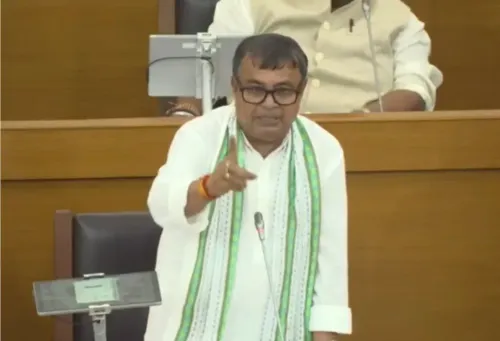
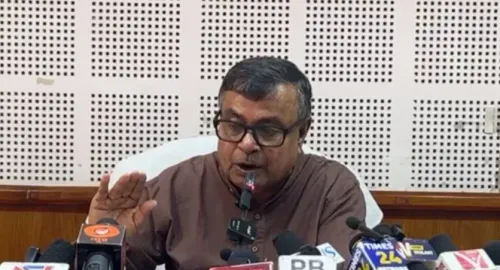
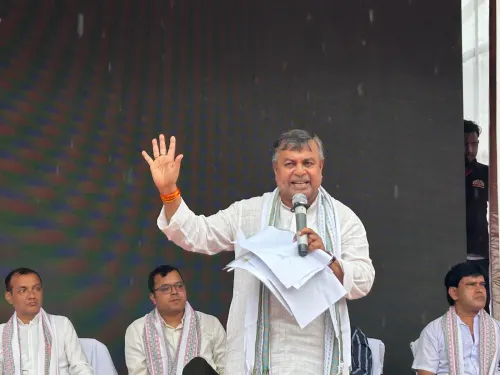
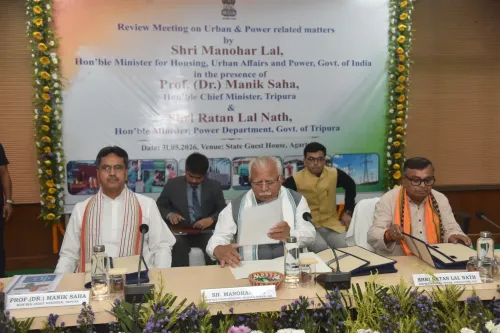
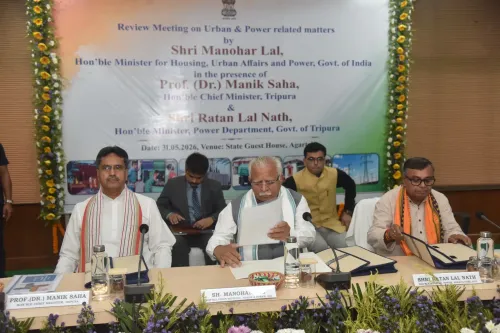
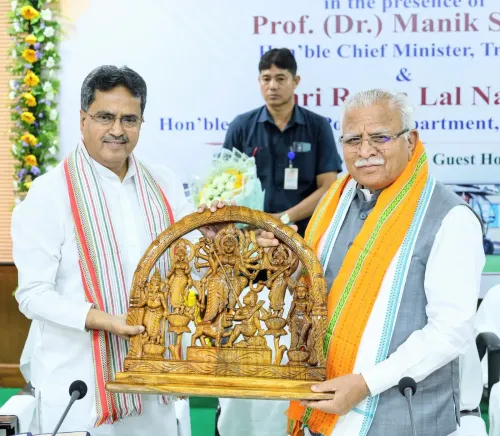
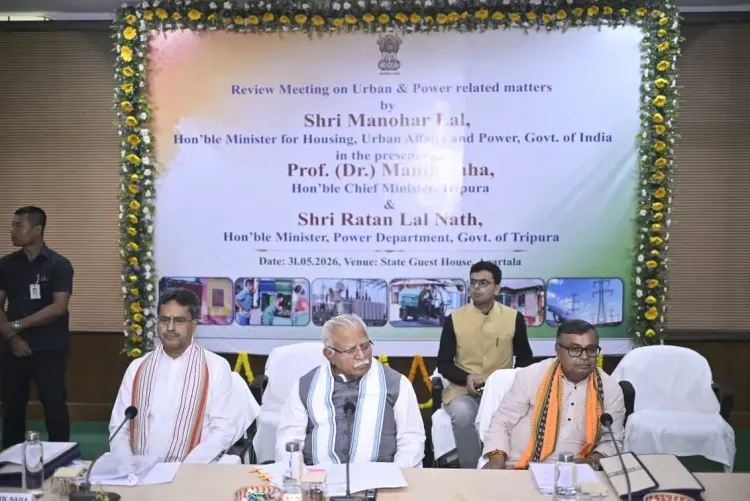
Tripura's Asian Development Bank (ADB)-funded power distribution strengthening project is 95 per cent complete, with the remaining work expected to be wrapped up by June 2025, state Power Minister Ratan Lal Nath said on Sunday, 1 June. The update came after Union Minister for Housing, Urban Affairs and Power Manohar Lal Khattar reviewed power and urban development projects in the state alongside Chief Minister Manik Saha and Minister Nath.
Key Developments from the Review Meeting
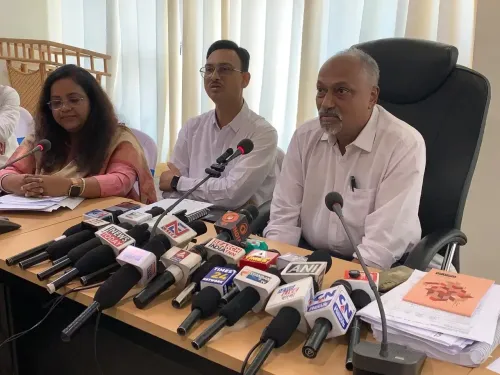
Following the high-level review, Minister Nath outlined a series of milestones and timelines. Smart meter installation across Tripura is on track for completion by October 2025. Of the state's total consumer base, 3,55,158 consumers have already been connected to smart meters, with the remaining 2,16,144 consumers to be covered by the October deadline.
Smart meters have already been deployed across all 11 KV feeders and distribution transformers. Prepaid meters have been installed in 5,894 government offices, and a total of 1,59,013 stand-alone prepaid meters are now operational across the state. Nath claimed that Tripura is the first state in India to introduce prepaid meters at this scale.
AT&C Losses Cut by More Than Half Since 2018
One of the more striking figures from the briefing: Tripura's Aggregate Technical and Commercial (AT&C) losses have fallen from approximately 40 per cent in 2018 to 18.23 per cent at present — a reduction the Minister attributed to Central Government financial assistance. Nath credited the support as 'highly beneficial for the state.'
The state's current peak electricity demand stands at 542 MW. Of this, 365 MW is available within the state, while the remaining 177 MW is procured from the open power market. Nath noted that power availability is primarily constrained by an inadequate supply of natural gas.
RDSS, PM-JANMAN and DA-JGUA Progress
Under the Revamped Distribution Sector Scheme (RDSS), 95 per cent of loss-reduction works have been completed, with the balance expected by July 2025. Works under the PM-JANMAN (Pradhan Mantri Janjati Adivasi Nyaya Maha Abhiyan) scheme have been fully completed, while projects under DA-JGUA (Dharti Aaba Janjatiya Gram Utkarsh) have reached 90 per cent completion and are expected to conclude by June.
Rukhia Gas Plant Upgrade and Solar Push
In a significant capacity addition, the state — again with ADB financial support — is upgrading the existing 63 MW open-cycle gas turbine plant at Rukhia into a 120 MW combined-cycle gas turbine project at an estimated cost of ₹1,320 crore. The project is targeted for completion by March 2029.
On the renewables front, rooftop solar systems with a cumulative capacity of 12.11 MW have been installed under the Pradhan Mantri Surya Ghar Muft Bijli Yojana. The state has set a target of 150 MW of rooftop solar capacity under the scheme. With the Rukhia upgrade and solar targets in play, Tripura's power sector is set for a structural shift over the next four years.
Point of View
Gas-constrained northeastern state — halving AT&C losses in seven years is not a routine outcome. But the 177 MW gap still being filled from the open market points to a structural vulnerability that smart meters and distribution upgrades alone cannot fix; the natural gas supply bottleneck remains unresolved. The Rukhia upgrade is the right move, but a 2029 completion timeline means the state will stay market-dependent for years. The rooftop solar target of 150 MW against an installed base of just 12.11 MW also signals how far execution lags ambition on renewables.
NationPress
19 Sept 2026
Frequently Asked Questions
How much of Tripura's ADB-funded power project is complete?
As of 1 June 2025, 95 per cent of the ADB-funded power distribution strengthening project in Tripura has been completed. The remaining work is expected to be finished by June 2025, according to Power Minister Ratan Lal Nath.
When will smart meter installation be completed in Tripura?
Smart meter installation across Tripura is expected to be completed by October 2025. Of the total 5,71,302 consumers, 3,55,158 have already been connected, with the remaining 2,16,144 to be covered by the October deadline.
What is Tripura's current AT&C loss level and how has it changed?
Tripura's Aggregate Technical and Commercial (AT&C) loss currently stands at 18.23 per cent, down sharply from around 40 per cent in 2018. The reduction is attributed to Central Government financial support and ongoing grid modernisation efforts.
What is the Rukhia gas plant upgrade project in Tripura?
The Rukhia project involves upgrading an existing 63 MW open-cycle gas turbine power plant to a 120 MW combined-cycle gas turbine facility, at an estimated cost of ₹1,320 crore with ADB financial assistance. It is targeted for completion by March 2029.
Why does Tripura still buy power from the open market?
Tripura's peak electricity demand is 542 MW, but only 365 MW is available within the state. The remaining 177 MW is procured from the open power market, primarily because inadequate natural gas supply limits local generation capacity.