Have Only 2 Cases of Nipah Virus Been Reported in Bengal Since December?
Synopsis
The Ministry of Health & Family Welfare confirms only two cases of Nipah Virus Disease in West Bengal since last December. Enhanced public health measures have been implemented as a response, ensuring the situation remains under constant monitoring. Learn more about the virus and the ongoing preventive efforts.
Key Takeaways
Only two confirmed cases of Nipah Virus in West Bengal since December.
196 contacts have been traced and tested negative.
Public health measures are in full effect.
Stay informed through official sources.
Nipah Virus has no current vaccine or specific treatment.
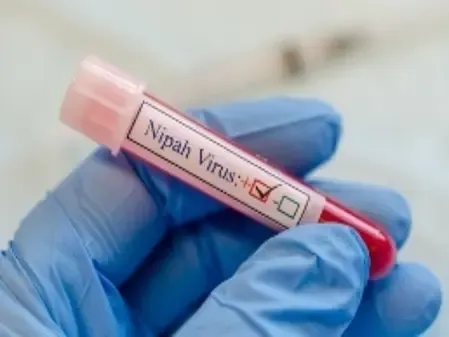
New Delhi, Jan 27 (NationPress) The Ministry of Health & Family Welfare has confirmed that merely two cases of the lethal Nipah Virus Disease (NiVD) have been documented in West Bengal since last December.
In an official release, the Ministry addressed the issue of “speculative and incorrect figures” regarding Nipah cases circulating in the media.
In addition to the two confirmed cases, the National Centre for Disease Control (NCDC) has successfully traced 196 contacts related to these cases, all of whom have been declared asymptomatic.
According to reports from the NCDC, only two confirmed cases of the Nipah Virus Disease have surfaced in West Bengal since December of last year.
A total of 196 contacts associated with the confirmed cases have been identified, monitored, and tested. Thankfully, all of the traced contacts have shown no symptoms and tested negative for the Nipah Virus Disease,
the Ministry stated, adding that “no additional cases” have been identified thus far.
Following the confirmation of these two cases, the Centre, in coordination with the West Bengal government, has implemented swift and comprehensive public health measures in line with established protocols.
Moreover, surveillance efforts have been intensified, including laboratory testing and field investigations through the coordinated efforts of Central and State health agencies, which have ensured the timely containment of these cases.
The Ministry reassured that “the situation is under constant monitoring” and that all necessary public health measures are fully in place.
Additionally, the Ministry urged the public and the media to depend solely on verified information from official sources and avoid disseminating unverified or speculative reports.
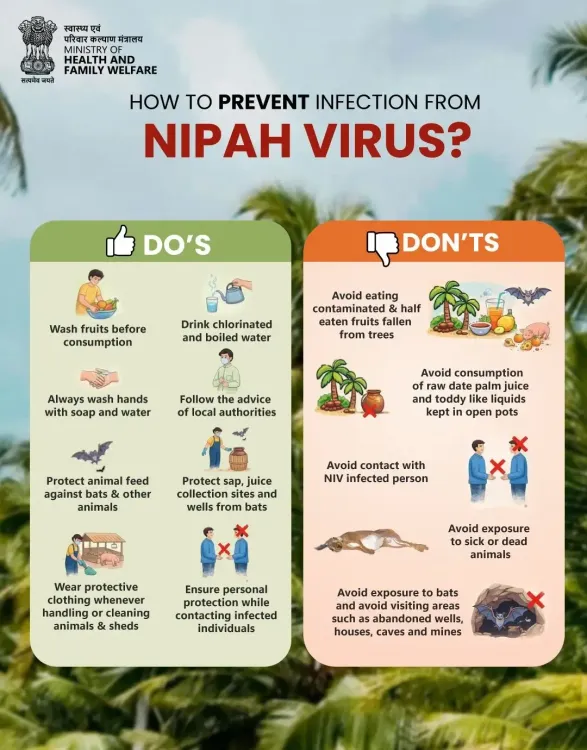
The Nipah Virus is primarily a zoonotic infection, transmitted from animals to humans, and subsequently from human to human. The virus spreads through saliva, urine, and other bodily fluids of an infected person.
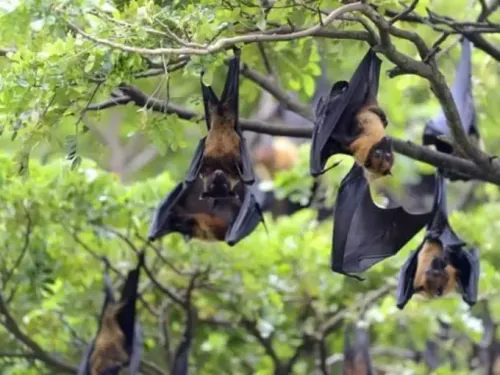
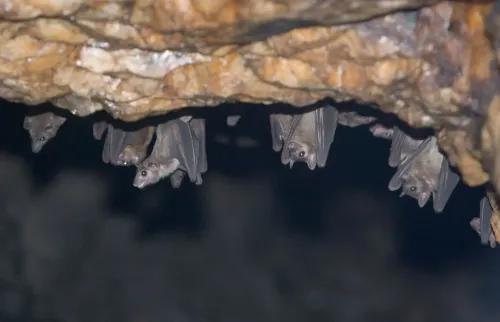
Carried by fruit bats, the Nipah virus can lead to severe respiratory illnesses and brain inflammation. Currently, there is no vaccine or specific treatment available.
In the meantime, airports in Thailand, Nepal, and Taiwan have reintroduced Covid-style health checks, including thermal screenings and health assessments for travelers arriving from affected regions.
Point of View
It is crucial to highlight the importance of accurate reporting during public health emergencies. The confirmation of only two cases of the Nipah Virus in West Bengal underscores the need for reliable information and the swift response from health authorities. Transparency and vigilance are essential in managing public health crises effectively.
NationPress
7 Oct 2026
Frequently Asked Questions
What is the Nipah Virus?
The Nipah Virus is a zoonotic infection that can be transmitted from animals to humans and from human to human, primarily through bodily fluids.
How many cases of Nipah Virus have been reported in West Bengal?
Only two cases of the Nipah Virus Disease have been confirmed in West Bengal since December.
What measures are being taken to control the spread of Nipah Virus?
The government has implemented enhanced surveillance, laboratory testing, and public health measures to monitor and control the situation.
What are the symptoms of Nipah Virus Infection?
Symptoms may include severe respiratory illness, brain inflammation, and flu-like symptoms, but many cases can be asymptomatic.
Is there a vaccine available for Nipah Virus?
Currently, there is no vaccine or specific treatment available for the Nipah Virus Disease.