UCADA Free Flying Hour Initiative Aids Uttarakhand Disaster Response
Synopsis
UCADA's 'Free Flying Hour' initiative is aiding disaster management in Uttarakhand by ensuring helicopters are available for air rescue during crises. The public-private model, rooted in post-2013 Kedarnath disaster reforms, reduces fiscal burden while maintaining round-the-clock emergency air readiness for the Himalayan state's vulnerable communities.
Key Takeaways
UCADA's 'Free Flying Hour' initiative is actively supporting disaster management operations in Uttarakhand as of June 2026 .
A private aviation company is making helicopters available for air rescue during emergencies under the scheme.
UCADA was established in 2018 to expand civil aviation infrastructure and emergency air services across the state.
The model was shaped by lessons from the 2013 Kedarnath disaster , which highlighted gaps in pre-positioned rescue helicopter assets.
Primary beneficiaries include hill residents, pilgrims, and tourists in remote, road-inaccessible Himalayan terrain.
A formal extension of the scheme to additional operators and integration into the state disaster management plan is being watched ahead of the next monsoon season .
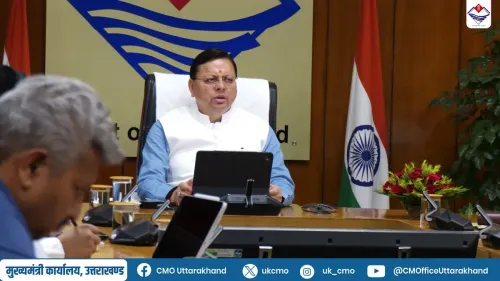
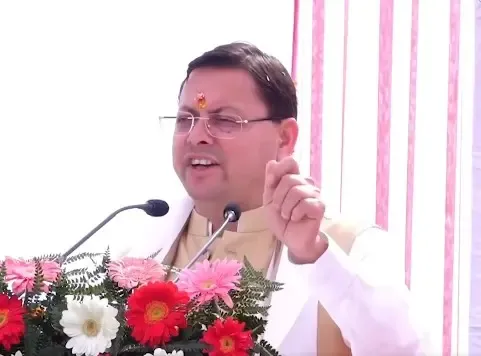
The Chief Minister's Office of Uttarakhand announced on Sunday, 7 June 2026 that the Uttarakhand Civil Aviation Development Authority (UCADA)'s 'Free Flying Hour' initiative is actively supporting disaster management operations in the state, with a private aviation company making helicopters available for air rescue during emergencies.
The official post stated: 'UCADA ki Free Flying Hour pahel se aapda prabandhan mein mil rahi madad, sankat ke samay air rescue ke liye helicopter uplabdh kara rahi hai company' — ('UCADA's Free Flying Hour initiative is aiding disaster management; the company is making helicopters available for air rescue during crises.')
Context
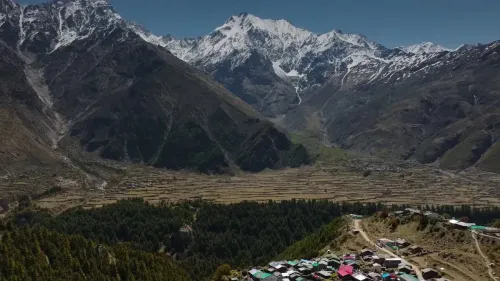
Uttarakhand, a Himalayan state prone to flash floods, cloudbursts, and landslides, has long faced the challenge of rapid evacuation in remote, road-inaccessible terrain. The 'Free Flying Hour' model allows a participating private aviation company to commit a set number of helicopter hours to emergency rescue operations, supplementing state-owned assets without requiring the government to maintain a large idle fleet.
The announcement signals that this arrangement is now operational and delivering tangible results during the ongoing crisis-response cycle, though the exact number of flying hours committed and the identity of the participating company have not been formally disclosed in the post.
Policy Backdrop
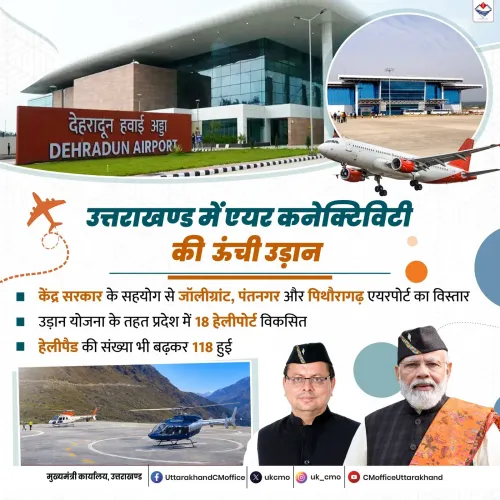
UCADA was established in 2018 with a mandate to expand civil aviation infrastructure across Uttarakhand, covering connectivity, tourism, and emergency air services. Its formation drew directly from lessons of the 2013 Kedarnath disaster, which exposed critical gaps in pre-positioned helicopter assets for mass rescue operations.
The 'Free Flying Hour' model reflects a broader policy trend visible across Himalayan states, where public-private aviation arrangements blend tourism-driven flying hours with guaranteed emergency access. This approach reduces the fiscal burden of maintaining dedicated rescue fleets while ensuring round-the-clock readiness — a model also being explored in neighbouring Himachal Pradesh.
Stakeholders and Impact
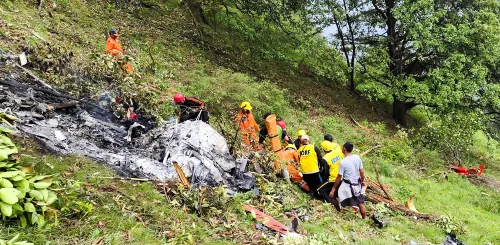
The primary beneficiaries of this initiative are hill residents, pilgrims, and tourists in Uttarakhand's remote districts, where ground-based rescue is often delayed by damaged roads or impassable terrain during monsoon season. For the Char Dham pilgrimage corridor in particular, helicopter-based evacuation can be the difference between life and death during sudden weather events.
Private aviation operators participating in the scheme gain a structured role in the state's disaster management framework, potentially opening avenues for deeper integration with UCADA's broader connectivity and tourism programmes. The arrangement also reduces pressure on the state exchequer during emergency declarations.
What's Next
Attention will now turn to whether Uttarakhand's government formalises the 'Free Flying Hour' model by extending it to additional operators and embedding it within the state's updated disaster management plan ahead of the next monsoon season. A wider rollout could significantly expand the geographic coverage of air rescue readiness across the state's 13 districts.
As Himalayan weather events grow more frequent and intense, Uttarakhand's experiment with this public-private aviation model could serve as a template for other mountain states seeking cost-effective, scalable emergency air infrastructure.
Point of View
The state sidesteps the fiscal and logistical constraints of maintaining a dedicated government rescue fleet. This model fits into a wider Himalayan governance pattern where resource-constrained mountain states are increasingly turning to hybrid arrangements to meet 24x7 emergency obligations. If formalised and expanded, it could become a replicable framework for other hill states grappling with the same terrain-driven rescue challenges.
NationPress
24 Oct 2026
Frequently Asked Questions
What is UCADA's Free Flying Hour initiative in Uttarakhand?
UCADA's 'Free Flying Hour' initiative is a public-private arrangement under which a participating aviation company commits helicopter hours for emergency air rescue operations in Uttarakhand, supplementing government-owned assets during disasters such as floods and landslides.
What is UCADA and when was it established?
UCADA stands for Uttarakhand Civil Aviation Development Authority. It was established in 2018 to develop helicopter and fixed-wing services for connectivity, tourism, and emergency operations across the Himalayan state.
How does the Free Flying Hour scheme help disaster management in Uttarakhand?
The scheme ensures helicopters are pre-committed and available for air rescue during crises, enabling faster evacuation of hill residents, pilgrims, and tourists from remote areas inaccessible by road, especially during monsoon-related emergencies.
What disaster prompted Uttarakhand to strengthen helicopter rescue capacity?
The 2013 Kedarnath disaster was a key turning point. A post-disaster review highlighted critical gaps in pre-positioned helicopter assets, leading to greater emphasis on maintaining dedicated and partner-supported air rescue capacity in the state.
Will the Free Flying Hour model be extended to other operators in Uttarakhand?
That possibility is being closely watched. Observers expect the state government to consider expanding the scheme to additional operators and integrating it formally into Uttarakhand's updated disaster management plan before the next monsoon season.