UCC in all 21 NDA states by 2029: Amit Shah's push sparks national debate
Synopsis
Home Minister Amit Shah's declaration that the Uniform Civil Code will be enforced across all 21 NDA-governed states by 2029 has cracked open a national fault line — with BJP ranks unified, but alliance partner Chirag Paswan demanding public consultations and Muslim bodies announcing street protests. With only Uttarakhand currently enforcing the law despite passage in four states, the gap between legislation and implementation is the real test.
Key Takeaways
Home Minister Amit Shah announced UCC implementation across all 21 NDA-governed states before 2029 .
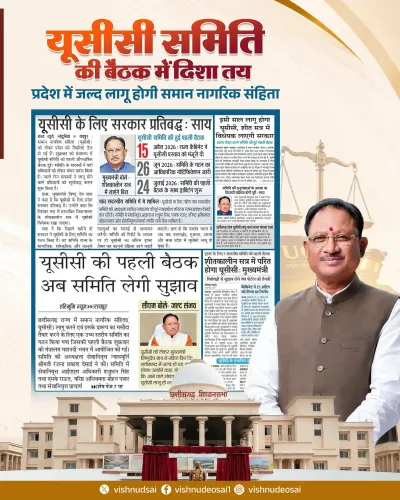
Uttarakhand is currently the only state where the UCC is in force; bills have been passed but not enforced in Gujarat , Assam , and Madhya Pradesh .
NDA ally Chirag Paswan called for the draft to be made public and demanded extensive consultations before implementation.
The VHP backed the move, framing it as a milestone for women's and children's rights.
The All India Muslim Personal Law Board opposed the UCC and called for a protest at Jantar Mantar on 17 September .
Madhya Pradesh Congress chief Jitu Patwari alleged the UCC is being used to distract from economic and social issues.
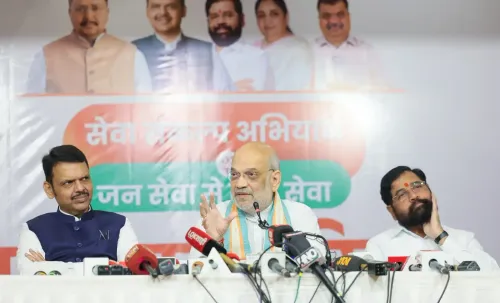
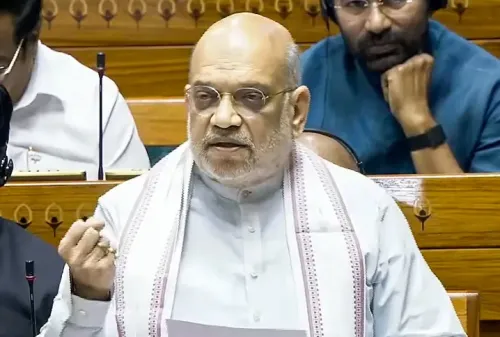
The debate over the Uniform Civil Code (UCC) sharpened significantly on Monday, 14 September 2026, a day after Union Home Minister Amit Shah declared that the legislation would be implemented across all 21 BJP-led NDA-governed states before 2029. The announcement drew strong backing from BJP leaders and the Vishwa Hindu Parishad (VHP), while triggering calls for broader consultations from some NDA allies and opposition from Muslim organisations.
BJP Rallies Behind Shah's Announcement
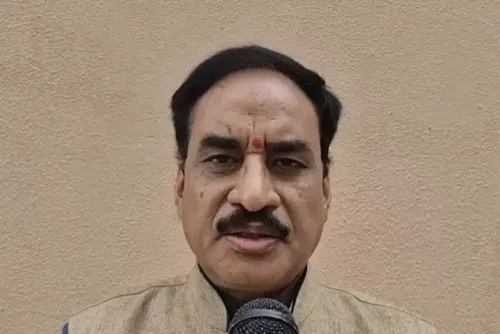
BJP MP Naresh Bansal cited Uttarakhand — his home state and the first in the country to enact a UCC law — as a model for other states to follow, calling the legislation essential for protecting demographic balance. BJP West Bengal President Samik Bhattacharya invoked the principle of 'one law in one country,' reiterating the party's longstanding position on the issue.
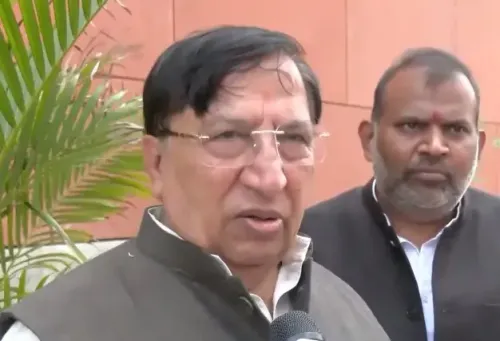
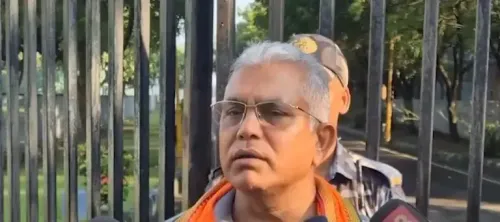
State Minister Dilip Ghosh advocated for implementation to begin in Bengal before extending nationally. BJP leader Mukhtar Abbas Naqvi framed Shah's announcement as being consistent with Article 44 of the Constitution, which directs the state to endeavour to secure a Uniform Civil Code for all citizens. Bihar Minister Ram Kripal Yadav echoed the call, urging implementation in BJP-ruled states ahead of the 2029 deadline.
VHP Calls UCC a Milestone for Women and Children
The Vishwa Hindu Parishad (VHP) welcomed the push, with spokesperson Vinod Bansal describing UCC implementation as a milestone for women's and children's rights by addressing systemic gender inequality and discrimination. He also appealed to non-BJP-ruled states to initiate the process without delay.
Fault Lines Within the NDA
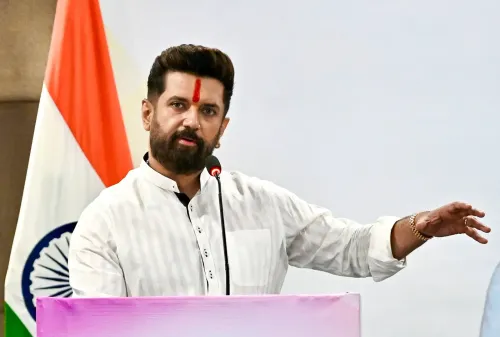
The announcement, however, laid bare divergences within the ruling alliance. Union Minister and Lok Janshakti Party-Ram Vilas chief Chirag Paswan called for the proposed UCC draft to first be made public, stressing the need for extensive consultations given India's diverse customs, traditions, and constitutional protections for tribal communities and special-category regions. His remarks signal potential friction within the coalition as the BJP moves ahead unilaterally on the timeline.
In Jharkhand, opposition-ruled state minister Sanjay Prasad Yadav adopted a cautious stance, stating that the government would examine all aspects of the proposal and saw no need to rush to conclusions.
Muslim Organisations and Opposition Push Back
The All India Muslim Personal Law Board opposed the proposed legislation. Bhopal Shahar Qazi Mushtaq Ali Nadvi questioned the necessity of the UCC in light of constitutional guarantees on religious freedom and minority rights, and called on citizens to participate in a protest planned for 17 September at Jantar Mantar in New Delhi.
Madhya Pradesh Congress chief Jitu Patwari accused the BJP of using the UCC debate to divert public attention from pressing economic and social challenges. Critics argue the timing — ahead of the 2029 general elections — reflects an electoral calculus as much as a policy priority.
Where the UCC Stands Legally
The UCC seeks to establish a common legal framework governing personal matters — including marriage, divorce, inheritance, and adoption — irrespective of religious affiliation. Legislation has been passed in Uttarakhand, Gujarat, Assam, and Madhya Pradesh, though the code is presently in force only in Uttarakhand. The gap between legislation and enforcement in multiple states underscores the implementation challenges that lie ahead as the 2029 target approaches.
Point of View
But it also exposes the BJP's tendency to announce first and consult later on culturally charged legislation. The deeper accountability question is this: will the UCC, wherever enforced, be backed by the administrative machinery and legal aid infrastructure needed to make it meaningful for the marginalised women it claims to protect?
NationPress
14 Sept 2026
Frequently Asked Questions
What did Amit Shah announce about the Uniform Civil Code?
Home Minister Amit Shah announced that the Uniform Civil Code would be implemented across all 21 BJP-led NDA-governed states before 2029. The declaration came a day before the national debate intensified on 14 September 2026, with both allies and opponents responding sharply.
Which states have already passed UCC legislation?
UCC bills have been passed in Uttarakhand, Gujarat, Assam, and Madhya Pradesh. However, the code is currently in force only in Uttarakhand, making it the sole state where the law is operational.
Why did Chirag Paswan raise concerns about the UCC?
Union Minister Chirag Paswan called for the proposed UCC draft to be made public and sought extensive consultations before implementation. He pointed to India's diverse customs and traditions and constitutional protections for tribal communities and special-category regions as factors requiring careful consideration.
What is the All India Muslim Personal Law Board's position on the UCC?
The All India Muslim Personal Law Board opposed the proposed legislation, with Bhopal Shahar Qazi Mushtaq Ali Nadvi questioning its necessity given constitutional guarantees on religious freedom and minority rights. The Board has called for a public protest at Jantar Mantar in New Delhi on 17 September.
What does the Uniform Civil Code seek to do?
The UCC aims to establish a single legal framework governing personal matters — marriage, divorce, inheritance, and adoption — for all citizens regardless of their religious affiliation. It would replace religion-specific personal laws that currently govern these areas for different communities in India.