Nagapattinam samba season 2025: Uneven rains aid prep, farmers await irrigation clarity
Synopsis
Nagapattinam's samba season is off to a hesitant start. A single heavy spell in the taluk headquarters has skewed the district's rainfall average, leaving Vedaranyam and coastal belts dry — and farmers there unwilling to commit. With Cauvery releases uncertain and saline groundwater ruling out alternatives, the next few weeks of rain will effectively decide how much paddy Tamil Nadu's delta district plants this year.
Key Takeaways
Nagapattinam district recorded an average of 7.6 mm of rainfall in the 24 hours ending 6 am, 13 July , according to district administration data.
Nagapattinam taluk led with 36 mm ; Thirukkuvalai and several other stations recorded zero rainfall.
Cumulative district rainfall across seven rain gauge stations totalled 53.2 mm .
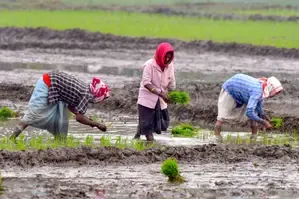
Farmers near Nagapattinam town have begun ploughing; villages in the Vedaranyam region are still waiting.
Agriculture in the district depends on Cauvery irrigation; saline coastal groundwater limits alternatives.
Some farmers are considering short-duration paddy varieties (90–120 days) to reduce weather risk, while others await clarity before planting long-duration samba.
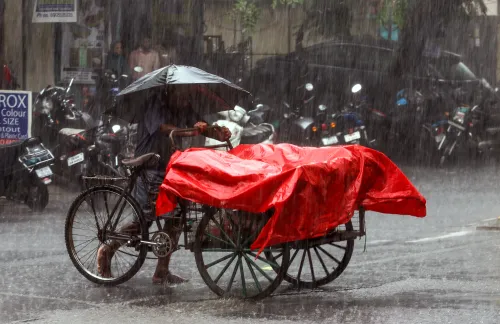
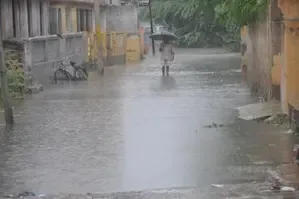
Scattered rainfall across Nagapattinam district in Tamil Nadu has improved soil moisture and kick-started land preparation for the samba cultivation season, but uneven distribution and continuing uncertainty over irrigation water availability are keeping many farmers from committing to large-scale cultivation. The district recorded an average of 7.6 mm of rainfall in the 24 hours ending at 6 am on Sunday, 13 July, according to district administration data.
Rainfall Distribution Across the District
Nagapattinam taluk received the highest average rainfall at 36 mm, followed by Vedaranyam at 4.33 mm and Kilvelur at 1.8 mm. Thirukkuvalai recorded no rainfall during the period.
Among individual rain gauge stations, Nagapattinam registered 36 mm, Thalaignayar logged 13.6 mm, and Velankanni received 3.6 mm. Stations at Thirupoondi, Vedaranyam, Kodiyakkarai, and Thirukkuvalai recorded zero rainfall. The district's cumulative total across its seven rain gauge stations stood at 53.2 mm.
Field Preparation: Where It Has Begun and Where It Hasn't
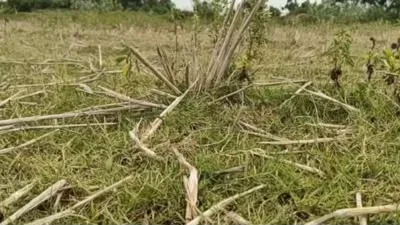
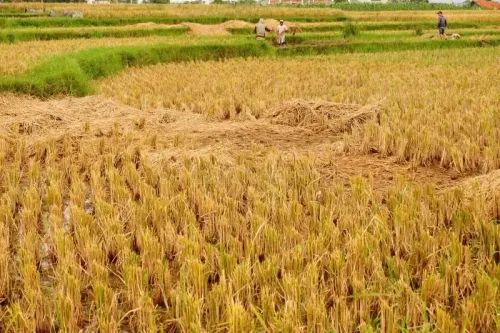
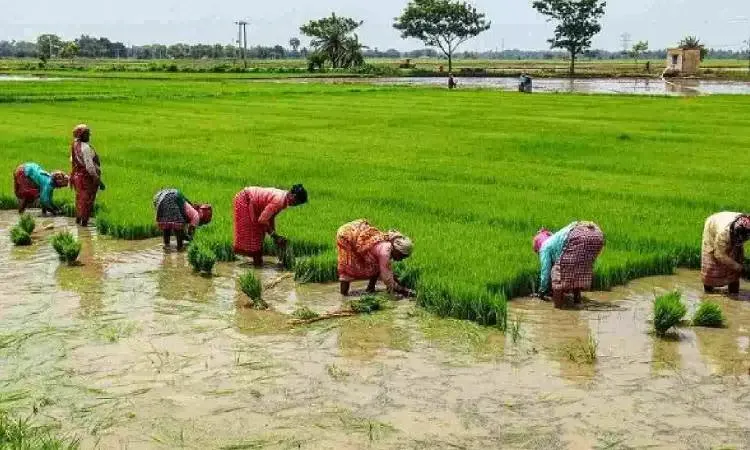
The showers have provided enough moisture for farmers in several pockets — particularly in and around Nagapattinam town — to begin ploughing and preparatory work. However, field operations remain sluggish across much of the district owing to the patchy nature of the rainfall.
Several villages in the Vedaranyam region are still waiting for additional rain before initiating cultivation activities. This uneven progress reflects the district's structural dependence on both rainfall and river water for agriculture.
The Irrigation Challenge
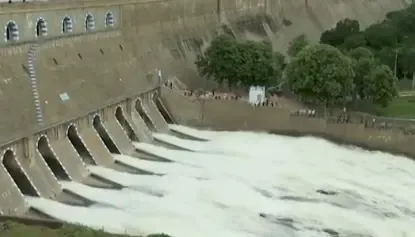
Agriculture in Nagapattinam is heavily reliant on Cauvery irrigation. In many coastal areas, saline groundwater severely limits the scope for alternative irrigation sources, making river water and rainfall the twin pillars of farming viability in the district.
With no clear signal yet on irrigation water releases, farmers are adopting a cautious, wait-and-watch approach before scaling up cultivation. Many are holding off on final decisions about the area to be brought under samba this season.
Crop Planning Shifts Under Uncertainty
The uncertainty is also reshaping crop choices. Some cultivators are reportedly weighing a shift to short-duration paddy varieties that mature within 90 to 120 days, reducing exposure to weather-related risk. Others are holding out for greater clarity on both rainfall and irrigation water before deciding whether to plant traditional long-duration samba varieties.
Farmers say the next few weeks will be decisive — rainfall patterns and irrigation water availability are expected to determine the total area brought under samba cultivation this season.
Point of View
Masking the fact that large swathes — including the ecologically fragile Vedaranyam coast — received nothing. Farmers there have no groundwater fallback because of salinity, which means a delayed Cauvery release could compress the samba acreage significantly. The quiet pivot toward short-duration varieties is worth watching: it signals that delta farmers are already pricing in climate risk, even if official crop-planning frameworks have not caught up.
NationPress
13 Jul 2026
Frequently Asked Questions
What is the samba cultivation season in Nagapattinam?
Samba is the main paddy-growing season in Tamil Nadu's delta districts, typically sown between July and September and harvested around January. In Nagapattinam, it is the most important crop season and depends heavily on Cauvery river water and monsoon rainfall.
How much rainfall did Nagapattinam district receive on 13 July 2025?
The district recorded an average of 7.6 mm of rainfall in the 24 hours ending at 6 am on 13 July, according to district administration data. Nagapattinam taluk received the highest share at 36 mm, while Thirukkuvalai and several other stations recorded no rain.
Why are Nagapattinam farmers delaying samba cultivation decisions?
Farmers are uncertain about the availability of Cauvery irrigation water, which is the primary source for agriculture in the district. Without clarity on water releases, many are reluctant to commit to large-scale samba cultivation.
Why can't farmers in coastal Nagapattinam rely on groundwater?
Saline groundwater in many coastal areas of Nagapattinam makes it unsuitable for irrigation, leaving farmers almost entirely dependent on Cauvery river water and rainfall. This structural limitation amplifies the impact of any shortfall in either source.
What crop alternatives are farmers in Nagapattinam considering?
Some cultivators are reportedly considering short-duration paddy varieties that mature within 90 to 120 days, which reduce exposure to weather-related risk. Others are waiting for more information on rainfall and irrigation before deciding whether to plant traditional long-duration samba varieties.