Yogi Adityanath offers prayers at Krishna Janmabhoomi on Janmashtami, hails Ayodhya's rise
Synopsis
On Janmashtami, UP CM Yogi Adityanath prayed at the Shri Krishna Janmabhoomi Temple in Mathura and used the occasion to tout Ayodhya's dramatic turnaround — from a city with a single railway line and crumbling infrastructure to one welcoming over one lakh pilgrims daily, complete with an international airport and four-lane roads.
Key Takeaways
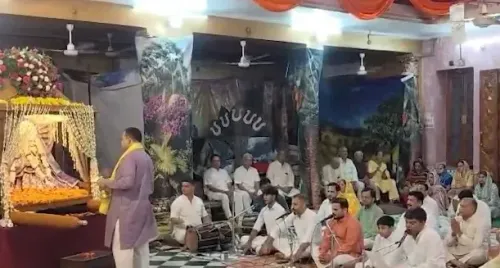
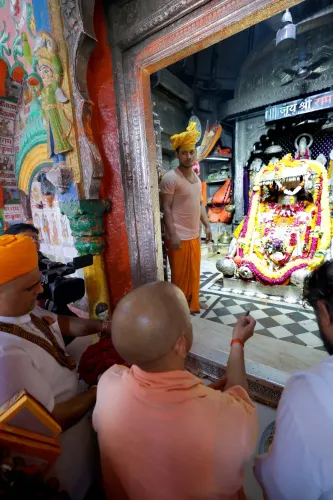
Yogi Adityanath offered prayers at Shri Krishna Janmabhoomi Temple , Mathura , on Janmashtami .
He highlighted Ayodhya's transformation, citing one lakh daily pilgrims and up to five lakh on festival days.
Ayodhya now has an international airport named after Maharishi Valmiki , four-lane roads, and double railway lines, according to the CM.
The CM contrasted the city's current state with its past — previously marked by poor roads, electricity, water supply, and sanitation.
Janmashtami marks the birth of Lord Krishna , believed to have occurred more than 5,200 years ago in Mathura .
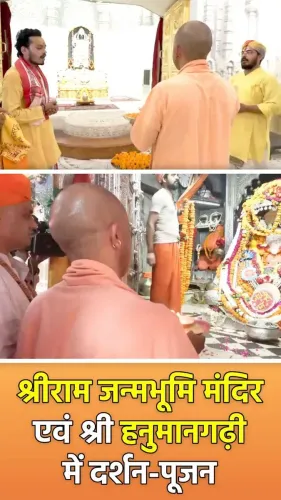
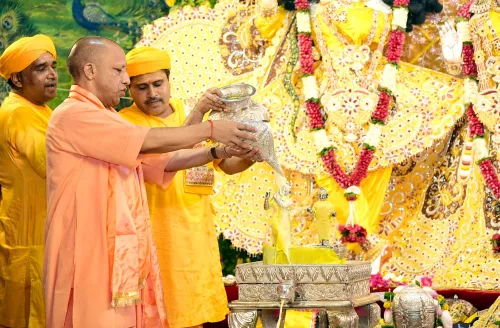
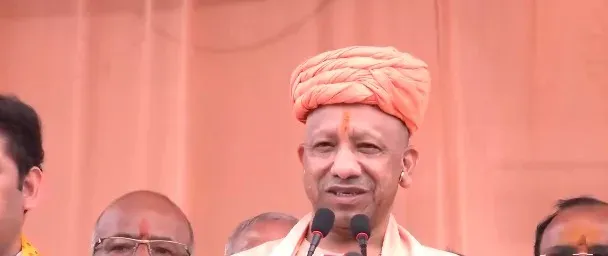
Uttar Pradesh Chief Minister Yogi Adityanath on Friday offered prayers at the Shri Krishna Janmabhoomi Temple in Mathura on the occasion of Janmashtami, extending greetings to the people of the state and drawing a sharp contrast between Ayodhya's past neglect and its present-day transformation. The visit underscored the Bharatiya Janata Party (BJP) government's continued emphasis on religious tourism and infrastructure development at pilgrimage sites across Uttar Pradesh.
CM Yogi's Words at the Temple
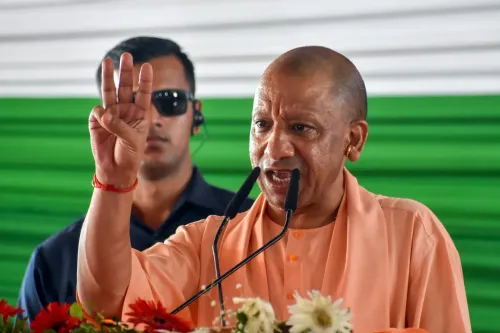
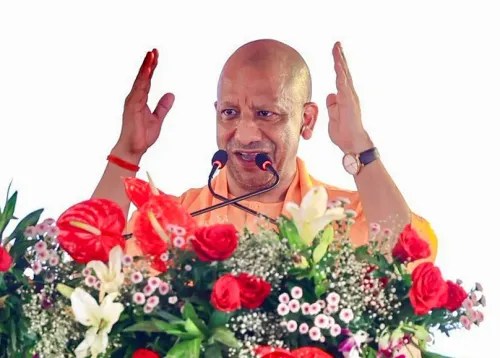
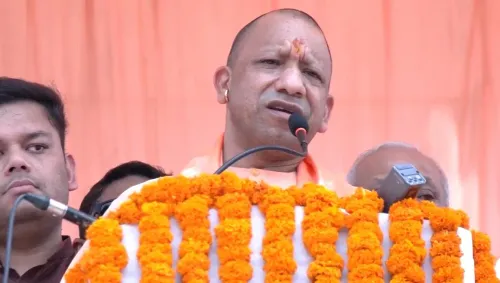
Addressing the gathering at the Janmabhoomi complex, Yogi Adityanath said, 'On the auspicious occasion of Janmashtami, I have come today to seek darshan at Shri Krishna Janmabhoomi in Mathura. On behalf of myself, my colleagues and the Uttar Pradesh government, I extend my heartfelt greetings to all of you and to the people of the entire state on this occasion.'
The Chief Minister's presence at one of Hinduism's most sacred sites on its most significant festival drew large crowds and amplified the state government's visible association with religious observance.
Ayodhya's Transformation: What Yogi Said
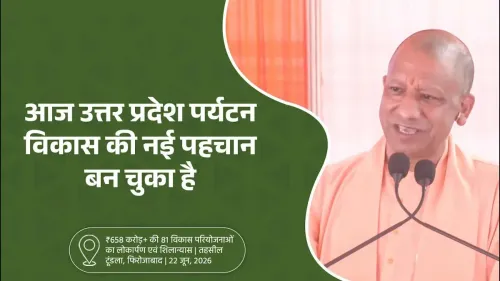
Yogi Adityanath used the occasion to highlight the sweeping changes in Ayodhya since the BJP came to power in the state. 'Today, when you visit Ayodhya, it feels as if Lord Shri Ram has personally arrived there. It reminds us of the Treta Yuga. What a grand transformation Ayodhya has undergone,' he said.
He recalled that Ayodhya previously lacked adequate roads, electricity, and water supply, and was burdened by poor sanitation. The city, he noted, was connected by only a single railway line, and pilgrims often returned disappointed by the disorder they encountered.
Describing the current state of the city, the Chief Minister said: 'Today, every day, one lakh devotees come to Ayodhya. If there is a festival, the number increases to five lakh or more. There is no inconvenience. There is an international airport named after Maharishi Valmiki in Ayodhya. If we talk about connectivity, there is four-lane connectivity. Double railway lines have connected Ayodhya. Whenever you go to Ayodhya, you will see four-lane roads.'
The Significance of Janmashtami
Janmashtami — also celebrated as Krishna Janmashtami or Gokulashtami — is among the most widely observed Hindu festivals in India. It marks the birth of Lord Krishna, revered as the eighth incarnation of Lord Vishnu, and is observed on the eighth day (Ashtami) of the dark fortnight (Krishna Paksha) in the Hindu lunar month of Bhadrapada.
According to Hindu tradition, Lord Krishna was born more than 5,200 years ago to Devaki and Vasudeva in Mathura. His birth is believed to have fulfilled a divine mission — the defeat of his maternal uncle, the tyrant King Kansa, who had sought to kill him from infancy. Krishna's miraculous survival is widely regarded as a symbol of the triumph of good over evil and the restoration of dharma, or righteousness.
Mathura and the Broader Religious Tourism Push
The Chief Minister's visit to Mathura — birthplace of Lord Krishna and one of the seven sacred cities in Hinduism — is consistent with the state government's broader strategy of elevating Uttar Pradesh as India's foremost religious tourism destination. Alongside Ayodhya's redevelopment, infrastructure upgrades in Mathura-Vrindavan, Varanasi, and Prayagraj have been central to the government's pitch. With Janmashtami drawing millions of pilgrims to Mathura annually, the political symbolism of the Chief Minister's presence is hard to separate from the administrative messaging around development.
Point of View
And the Ayodhya numbers he cited — one lakh daily pilgrims, an international airport, four-lane roads — are verifiable markers of genuine change, whatever one's view of the politics behind them. The question mainstream coverage rarely asks is what the infrastructure boom means for the everyday residents of these cities: land displacement, commercialisation of sacred spaces, and the uneven distribution of tourism revenue remain underdiscussed. Mathura-Vrindavan faces its own pending redevelopment push, and the CM's visit signals that it may be next in line.
NationPress
4 Sept 2026
Frequently Asked Questions
Why did Yogi Adityanath visit Mathura on Janmashtami?
Uttar Pradesh Chief Minister Yogi Adityanath visited Mathura to offer prayers at the Shri Krishna Janmabhoomi Temple on the occasion of Janmashtami, one of the most significant Hindu festivals. He also used the occasion to address the gathered public and extend greetings on behalf of the state government.
What did Yogi Adityanath say about Ayodhya's transformation?
The Chief Minister said Ayodhya has undergone a dramatic turnaround, with one lakh pilgrims now visiting daily and up to five lakh on festival days. He highlighted the Maharishi Valmiki International Airport, four-lane road connectivity, and double railway lines as markers of the city's development, contrasting them with its earlier state of poor infrastructure and sanitation.
What is Janmashtami and why is it celebrated?
Janmashtami is a major Hindu festival marking the birth of Lord Krishna, the eighth incarnation of Lord Vishnu, observed on the eighth day of the dark fortnight in the month of Bhadrapada according to the Hindu lunar calendar. Lord Krishna is believed to have been born more than 5,200 years ago in Mathura to Devaki and Vasudeva, and his birth symbolises the victory of good over evil.
What infrastructure has been developed in Ayodhya according to CM Yogi?
According to Chief Minister Yogi Adityanath, Ayodhya now has the Maharishi Valmiki International Airport, four-lane road connectivity, and double railway lines. He said the city previously had only a single railway line and lacked adequate roads, electricity, water supply, and sanitation.
How many pilgrims visit Ayodhya daily?
Chief Minister Yogi Adityanath stated that one lakh pilgrims visit Ayodhya every day, with the number rising to five lakh or more during festivals. He attributed this growth to the infrastructure improvements undertaken by the state government.