CM Yogi Forms Ghumantu Vikas Board for Nomadic Communities
Synopsis
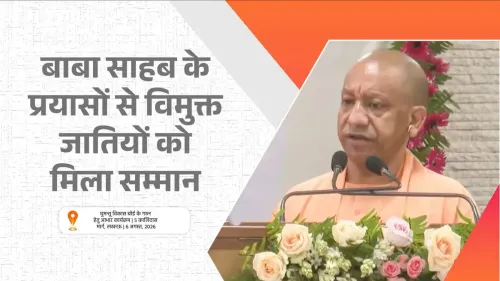
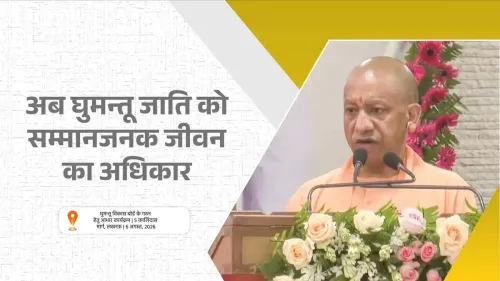
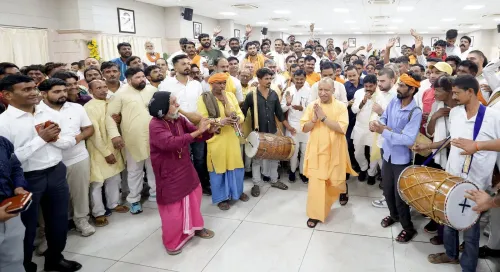
Uttar Pradesh CM Yogi Adityanath has constituted the Vimukt Evam Ghumantu Vikas Board for denotified and nomadic communities. Community members held a live felicitation event on 6 August 2026 to thank the Chief Minister, marking a significant step toward targeted welfare for historically marginalised groups.
Key Takeaways
CM Yogi Adityanath has constituted the Vimukt Evam Ghumantu Vikas Board in Uttar Pradesh for denotified and nomadic communities.
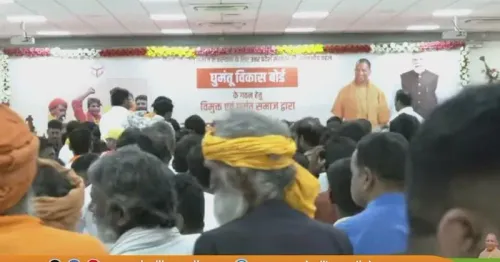
Community members held a live public felicitation event on 6 August 2026 to express gratitude for the board's formation.
The move aligns with recommendations of the Renke Commission (2008) , which called on states to create targeted welfare mechanisms for these tribes.
Denotified tribes were freed from the colonial Criminal Tribes Act stigma only in 1952 , leaving decades of welfare deficit.
Key next steps include board member appointments, budget allocation, and rollout of specific schemes for education, housing, and livelihoods.
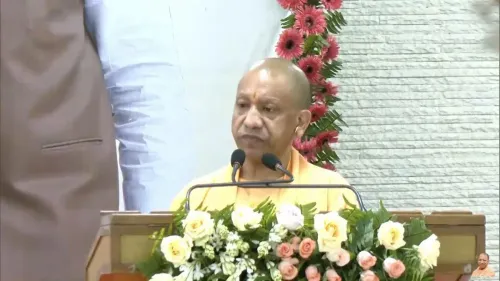
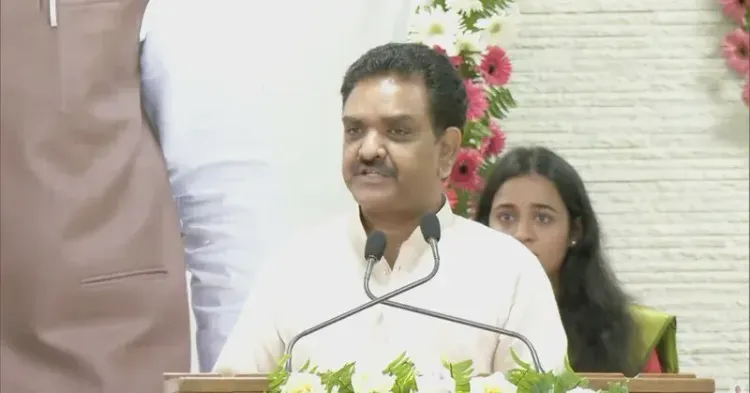
Decades after India's denotified and nomadic communities were stripped of the colonial stigma of the Criminal Tribes Act, Uttar Pradesh has moved to address their long-standing development deficit. The Chief Minister's Office of Uttar Pradesh announced on Thursday, 6 August 2026 that Chief Minister Yogi Adityanath has constituted the Vimukt Evam Ghumantu Vikas Board — a dedicated state-level body for the welfare of denotified and nomadic tribes — drawing a public expression of gratitude from community representatives gathered in a live felicitation event.
A community's long wait, now answered
The event, broadcast live, saw members of the vimukt evam ghumantu samaj (denotified and nomadic communities) formally thank CM Yogi Adityanath for the board's formation. These communities — historically branded as 'criminal by birth' under the Criminal Tribes Act of 1871 and denotified only in 1952 — have spent more than seven decades navigating a welfare gap that mainstream schemes rarely bridged. A dedicated board signals institutional recognition of that gap.
What the Renke Commission asked for — and what UP is now doing
The push for such boards has a clear policy lineage. The National Commission for Denotified, Nomadic and Semi-Nomadic Tribes, led by Balkrishna Renke, submitted its landmark report in 2008 urging states to create targeted welfare mechanisms for these communities. Several Indian states have since established community-specific development boards; Uttar Pradesh, home to a significant population of nomadic and denotified groups, is now formally joining that cohort under the current administration.
What the board must deliver next
Formation is the first step — operationalisation is the test. The board's credibility will hinge on the appointment of members, dedicated budget lines in subsequent state budgets, and the rollout of concrete schemes covering education, housing, and livelihood for nomadic families who have historically lived outside the reach of fixed-address welfare delivery. The gratitude ceremony marks a beginning; the policy calendar ahead will determine whether it becomes a milestone.
Point of View
However, lies in budgetary follow-through: boards without funds and mandates have historically remained symbolic in Indian state governance. If UP operationalises this board with genuine resource allocation, it could set a template that pressures other large states to act on the Renke Commission's long-pending recommendations.
NationPress
20 Sept 2026
Frequently Asked Questions
What is the Vimukt Evam Ghumantu Vikas Board in Uttar Pradesh?
The Vimukt Evam Ghumantu Vikas Board is a state-level body constituted by the Uttar Pradesh government under CM Yogi Adityanath to address the development and welfare needs of denotified and nomadic communities in the state.
Who are denotified and nomadic tribes in India?
Denotified tribes are communities that were branded 'criminal by birth' under the British-era Criminal Tribes Act of 1871 and officially denotified in 1952 after independence. Nomadic and semi-nomadic tribes are communities that traditionally move seasonally for livelihood. Both groups face significant socio-economic marginalisation.
What did the Renke Commission recommend for nomadic tribes?
The National Commission for Denotified, Nomadic and Semi-Nomadic Tribes, chaired by Balkrishna Renke, submitted its report in 2008 recommending that states create dedicated welfare mechanisms, boards, and schemes specifically targeting these communities to address their historic exclusion.
Why were denotified tribes called 'criminal tribes' in India?
Under the Criminal Tribes Act of 1871, British colonial authorities designated certain communities as 'criminal by birth,' restricting their movement and subjecting them to surveillance. The Act was repealed in 1952 after Indian independence, but the social stigma and economic exclusion persisted for decades.
What will the Ghumantu Vikas Board in UP actually do?
The board is expected to design and implement targeted welfare schemes for denotified and nomadic communities in Uttar Pradesh, covering areas such as education, housing, and livelihoods. Its full mandate, membership, and budget are subject to formal government orders and subsequent state budget allocations.