CM Yogi Invokes Ambedkar on Criminal Tribes Act Repeal
Synopsis
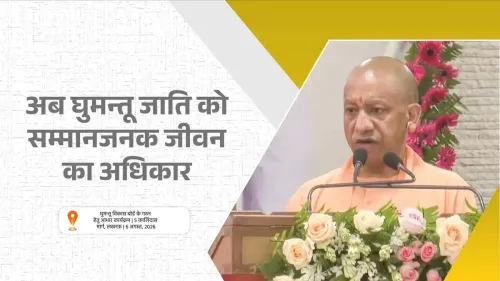
Chief Minister Yogi Adityanath credited Dr. Ambedkar's efforts for abolishing the Criminal Tribes Act of 1871 and noted that many communities now classified as SC, ST, and OBC are Vimukt Jatis — denotified tribes still seeking full social and economic inclusion.
Key Takeaways
CM Yogi Adityanath credited Dr.
Bhimrao Ambedkar with efforts that led to the abolition of the Criminal Tribes Act of 1871 .
The Act was formally repealed in 1952 , leading to the 'denotification' of communities it had labelled as hereditary criminals.
Denotified communities, known as Vimukt Jatis , are now distributed across SC, ST, and OBC reservation categories.
The statement was made by the Chief Minister's Office of Uttar Pradesh on August 6, 2026 .
The remark signals continued state-level attention to the welfare and classification of denotified and nomadic tribes.
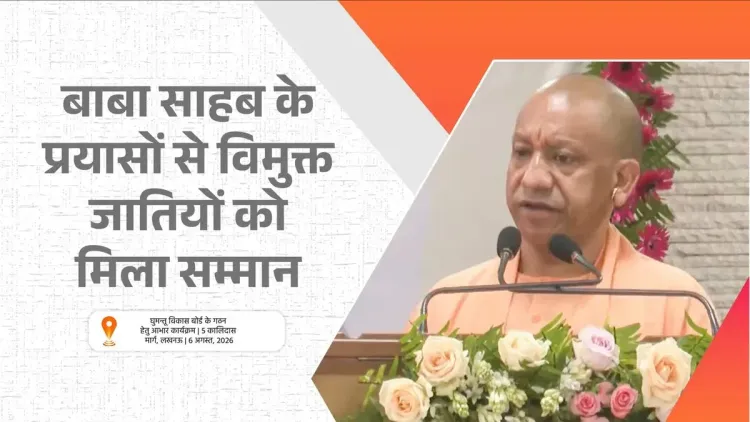
A colonial law that branded entire communities as hereditary criminals by birth — and the man whose lifelong fight helped end it. On Thursday, August 6, 2026, the Chief Minister's Office of Uttar Pradesh quoted Chief Minister Yogi Adityanath invoking Dr. Bhimrao Ambedkar's role in dismantling the Criminal Tribes Act of 1871, and drawing a direct line from that historical reckoning to the present status of Vimukt Jatis — the denotified communities still navigating their place within India's welfare architecture.
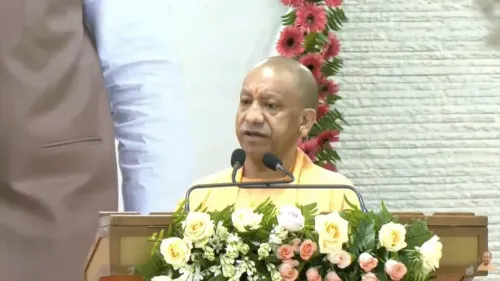
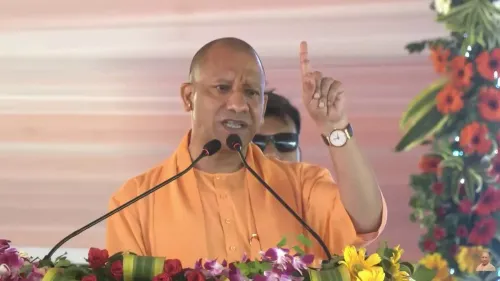
Quoting Chief Minister Adityanath: 'Baba Sahab Bhimrao Ambedkar ke prayason se Criminal Tribes Act-1871 samapt hua.' ('It was through the efforts of Baba Sahab Bhimrao Ambedkar that the Criminal Tribes Act of 1871 was abolished.') The statement went on to note that many communities now classified under Scheduled Castes (SC), Scheduled Tribes (ST), and Other Backward Classes (OBC) are, in fact, Vimukt Jatis — denotified groups still functioning within society carrying the long shadow of that colonial stigma.
The 1871 Act and Its Abolition
The Criminal Tribes Act of 1871 was one of British India's most sweeping instruments of social control — it designated specific communities as 'criminal by birth', subjecting them to mandatory registration, movement restrictions, and collective punishment. Generations of families lived under police surveillance simply because of the community they were born into. The Act was formally repealed in 1952, following independence, leading to the 'denotification' of these communities — hence the term Vimukt Jati, meaning 'liberated caste.'
Ambedkar's broader constitutional and legislative work — particularly his championing of fundamental rights and equality provisions in the Indian Constitution — created the legal and moral framework that made such repeal possible. The CM's statement credits his efforts as central to that outcome.
Where Vimukt Jatis Stand Today
Post-repeal, denotified communities were distributed across the SC, ST, and OBC reservation categories, but their inclusion has been uneven and their socio-economic conditions remain among the most precarious. Successive governments at the centre and in states have periodically reviewed classification frameworks for these groups. Uttar Pradesh, home to a significant population of such communities, has highlighted their inclusion within existing reservation structures as part of its welfare outreach.
The statement arrives as national discourse around a possible dedicated commission for denotified and nomadic tribes continues to simmer — making this invocation of Ambedkar's legacy as much a political signal as a historical acknowledgment. The denotified are still waiting for the liberation the name promised them.
Point of View
CM Yogi is tapping into a well-established political strategy of reclaiming Ambedkar's legacy to signal welfare intent toward marginalised OBC and SC communities — constituencies that are electorally significant in Uttar Pradesh. The framing of Vimukt Jatis as an overlooked sub-group within existing reservation categories quietly raises the question of whether current classifications are adequate, without committing to any new policy. It positions the state government as historically conscious and socially inclusive ahead of any potential national-level review of denotified tribe welfare. Whether this translates into concrete classification reforms or targeted schemes will determine its policy weight.
NationPress
20 Sept 2026
Frequently Asked Questions
What was the Criminal Tribes Act of 1871?
The Criminal Tribes Act of 1871 was a British colonial law that designated certain communities as 'criminal by birth', subjecting them to mandatory registration, movement restrictions, and collective punishment. It was repealed in 1952 after Indian independence.
What is a Vimukt Jati?
Vimukt Jati means 'liberated caste' and refers to communities that were denotified after the repeal of the Criminal Tribes Act in 1952. Many of these communities are now classified under SC, ST, or OBC categories for reservation purposes.
What did CM Yogi Adityanath say about Ambedkar and the Criminal Tribes Act?
CM Yogi Adityanath stated that it was through the efforts of Dr. Bhimrao Ambedkar that the Criminal Tribes Act of 1871 was abolished, and noted that many communities now in SC, ST, and OBC categories are Vimukt Jatis working within society.
When was the Criminal Tribes Act repealed?
The Criminal Tribes Act was formally repealed in 1952, after Indian independence, leading to the denotification of communities it had previously listed as hereditary criminals.
What welfare provisions exist for Vimukt Jatis in India?
Denotified communities are currently included within SC, ST, and OBC reservation frameworks. Various state and central government schemes target their socio-economic upliftment, though advocates have long called for a dedicated national commission and improved classification.