UP madrasas get Aadhaar biometric attendance mandate; clerics back reform
Synopsis
A viral video of plastic-card attendance fraud in a UP madrasa has triggered a state-wide Aadhaar biometric mandate — and unusually, senior Muslim clerics are not just accepting it but actively championing it as a gateway to quality education and nation-building. The NHRC is watching.
Key Takeaways
The UP Madrasa Education Board has made Aadhaar-based biometric attendance mandatory for all students, teachers, and staff in government-aided madrasas.
The order follows a viral video from Barabanki showing staff using plastic cards to fraudulently mark attendance, distorting salary records.
The National Human Rights Commission (NHRC) took cognisance of the attendance manipulation footage.
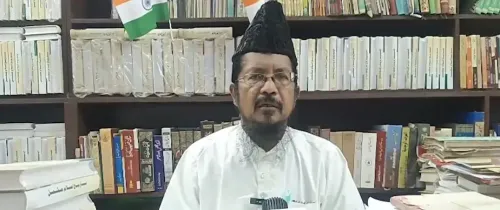
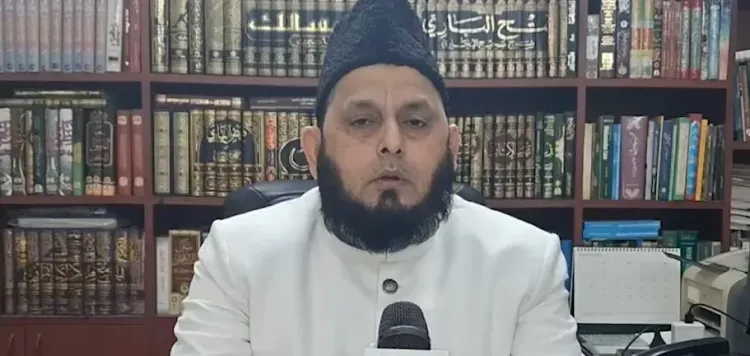
Maulana Khalid Rasheed Farangi Mahli (Islamic Centre of India) and Maulana Qari Abrar Jamal (Jamiat Himayatul Islam) have both publicly welcomed the directive.
Clerics linked the reform to broader goals of quality education and madrasa participation in nation-building.
The Uttar Pradesh government has made Aadhaar-based biometric attendance compulsory in all government-aided madrasas across the state, a move that has drawn broad support from senior Muslim clerics who describe it as a necessary and progressive reform. The directive, issued by the UP Madrasa Education Board, applies to all students, teachers, and staff and comes in the wake of a verified attendance-manipulation scandal that prompted scrutiny from a national rights body.
What the Order Mandates
Under the new directive, every government-aided madrasa in Uttar Pradesh must record daily attendance through Aadhaar-linked biometric verification. The order covers the entire institutional ecosystem — students, teaching staff, and non-teaching personnel alike. Officials indicated the measure is aimed at closing loopholes in the existing system that had allowed fraudulent attendance marking to go undetected for an extended period.
The Scandal That Triggered the Crackdown
The urgency behind the order stems from a viral video, reportedly filmed in Barabanki, which showed madrasa staff using plastic cards bearing teachers' names to mark biometric attendance in place of actual thumb impressions. The footage further showed certain employees registering attendance on behalf of colleagues who were absent — a practice that allegedly distorted salary disbursement records. The National Human Rights Commission (NHRC) took cognisance of the incident, elevating it from a local irregularity to a matter of institutional accountability.
Muslim Clerics Welcome the Move
Maulana Khalid Rasheed Farangi Mahli, Chairman of the Islamic Centre of India, described the directive as a sound administrative step. 'Making biometric attendance compulsory in madrasas in Uttar Pradesh is a good step. It will help ensure teachers' attendance and make sure that classes start and end on time,' he said, adding that the measure would directly improve the quality of education delivered to madrasa students.
Maulana Qari Abrar Jamal, President of Jamiat Himayatul Islam, went further, framing the reform within a broader vision of civic participation. 'It is a matter of great happiness. If the government wants madrasas in the state to not remain confined only to religious education but also become active participants in nation-building, then it is a matter of pride and happiness for all of us,' he said. Maulana Abrar Jamal also invoked Prime Minister Narendra Modi's stated aspiration of seeing Muslim children hold 'a laptop in one hand and the Quran in the other,' and expressed support for the recitation of the national anthem and national songs in minority institutions.
Broader Significance for Madrasa Reform
This is not the first time the UP government has moved to tighten oversight of its madrasa network. The state has in recent years pushed for curriculum modernisation, infrastructure audits, and teacher accountability measures. The Aadhaar-biometric mandate, however, is among the most operationally concrete steps taken to date, directly targeting salary-linked attendance fraud. Notably, the endorsement from clerics of the stature of Maulana Farangi Mahli — whose family institution has deep historical roots in Islamic scholarship — lends the reform a degree of community legitimacy that similar past directives lacked.
What Happens Next
Implementation timelines and the mechanism for monitoring compliance have not yet been publicly detailed by the UP Madrasa Education Board. Observers will watch whether the biometric infrastructure is rolled out uniformly across rural and urban madrasas, given that connectivity and device availability vary significantly across districts. The NHRC's continued interest in the matter suggests that oversight will extend beyond the state administration.
Point of View
Not the biometric order itself. When scholars from institutions as historically significant as Farangi Mahli publicly back a state surveillance mechanism, it signals a pragmatic shift in how influential sections of the Muslim religious establishment are choosing to engage with the UP government. Yet the reform's credibility will ultimately rest on implementation — biometric systems in under-resourced rural madrasas have failed before due to connectivity gaps and device shortages. The NHRC's involvement also raises a question mainstream coverage is sidestepping: if attendance fraud was systemic enough to trigger a national rights body, how widespread was the salary leakage, and who is being held accountable for it?
NationPress
15 Sept 2026
Frequently Asked Questions
What is the new UP madrasa attendance order?
The UP Madrasa Education Board has mandated Aadhaar-based biometric attendance for all students, teachers, and staff in every government-aided madrasa in Uttar Pradesh. The order aims to eliminate fraudulent attendance marking and ensure accurate salary disbursement.
Why was the Aadhaar biometric attendance rule introduced in UP madrasas?
The rule was introduced after a viral video, reportedly from Barabanki, showed madrasa staff using plastic cards bearing teachers' names to mark biometric attendance instead of actual thumb impressions. The National Human Rights Commission (NHRC) also took cognisance of the incident.
How have Muslim clerics responded to the biometric attendance mandate?
Senior clerics have welcomed the move. Maulana Khalid Rasheed Farangi Mahli called it 'a good step' that will improve punctuality and education quality, while Maulana Qari Abrar Jamal described it as a step toward madrasas becoming 'active participants in nation-building.'
Who is affected by the UP madrasa biometric attendance order?
All students, teachers, and non-teaching staff in government-aided madrasas across Uttar Pradesh are covered by the new directive issued by the UP Madrasa Education Board.
What role did the NHRC play in the madrasa attendance controversy?
The National Human Rights Commission (NHRC) took cognisance of the viral video showing attendance fraud in a Barabanki madrasa, where staff were seen marking attendance using plastic cards instead of actual biometric verification. The NHRC's involvement elevated the matter beyond a state-level administrative issue.