UP medical colleges on 24x7 alert for Diwali and Chhath Puja emergencies
Synopsis
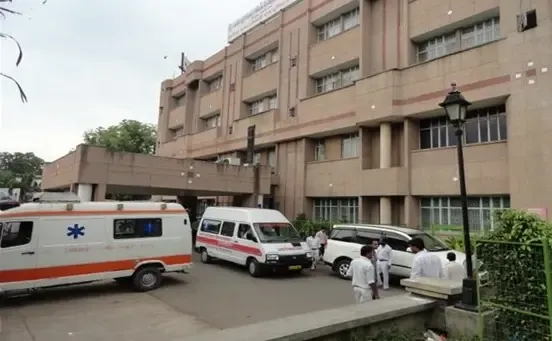
Uttar Pradesh has placed every state-run medical college on a full festive-season war footing — 24x7 emergency departments, pre-stocked burn units, updated disaster plans, and dedicated nodal officers — ahead of Diwali and Chhath Puja, when fire, road, and crowd-crush incidents historically spike across India's most populous state.
Key Takeaways
The Uttar Pradesh Department of Medical Education has placed all state-run and autonomous medical colleges on high alert for Diwali and Chhath Puja .
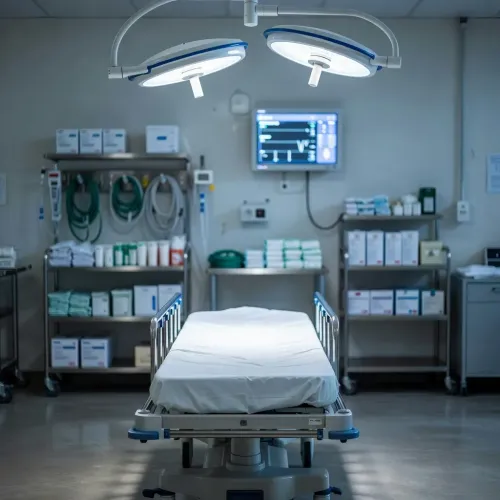
Emergency departments , trauma centres , ICUs , burn units , and operation theatres must remain operational 24x7 throughout the festive period.
Duty rosters will cover doctors, nursing staff, technicians and support personnel across all key departments including Surgery, Orthopaedics, Radiology , and Anaesthesia .
Hospitals must maintain adequate stocks of life-saving medicines, emergency kits, sutures , and plaster supplies .
Every institution must update its disaster management plan and appoint a senior nodal officer to oversee emergency arrangements.
Referral transfers for critically ill patients must be backed by ambulance support and prior coordination, with no avoidable delays permitted.
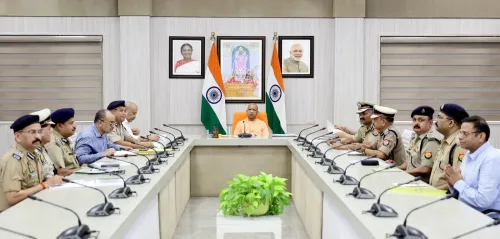
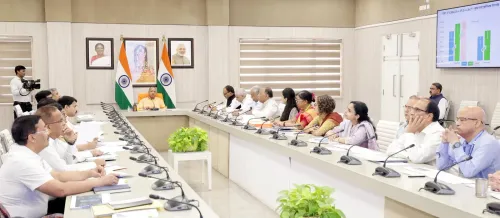
The Uttar Pradesh government has placed all state-run and autonomous medical colleges on high alert ahead of the Diwali and Chhath Puja festive season, directing emergency services to operate round the clock to ensure uninterrupted healthcare access. The Department of Medical Education issued comprehensive guidelines on 6 November 2026, covering staffing, medicines, equipment, and disaster preparedness across all affiliated hospitals in the state.
Key Directives Issued
The Director General of Medical Education and Training has mandated that emergency departments, trauma centres, ICUs, burn units, and operation theatres remain fully functional 24 hours a day, 7 days a week throughout the festive period. Departments including Anaesthesia, Surgery, Orthopaedics, Medicine, and Radiology will operate on dedicated duty rosters covering doctors, nursing staff, technicians, and support personnel. Additional human resources are to be kept on standby to handle any surge in patient load.
Medicines, Equipment and Referral Systems
All Heads of Departments and Chief Medical Superintendents have been directed to maintain adequate stocks of essential and life-saving medicines, injections, dressing materials, sutures, plaster supplies, and emergency treatment kits. For critically ill patients requiring transfer, guidelines stipulate prior coordination with higher-level institutions, mandatory ambulance support, and zero tolerance for avoidable delays in the referral process.
Disaster Management Plans to Be Reviewed
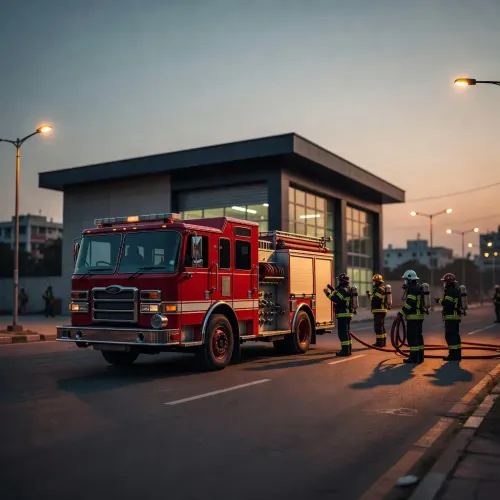
Each medical college and affiliated hospital must review and update its disaster management plan to cover scenarios including mass casualty events from road accidents, fire incidents, and stampedes — risks that historically spike during large-scale public celebrations. A nodal officer at the rank of a senior official will be designated at every institution to personally oversee duty rosters, resource availability, and emergency coordination. Principals, directors, and chief medical superintendents have been instructed to conduct personal reviews of all arrangements.
Context and Why It Matters
Uttar Pradesh, India's most populous state, sees a significant rise in accident and burn injury cases during Diwali due to fireworks, and in crowd-related incidents during Chhath Puja, which draws millions of devotees to riverbanks. This annual preparedness drive reflects a pattern of heightened state-level health mobilisation around major festivals. Notably, the directive underscores the government's intent to prevent the festive season from straining an already stretched public health infrastructure. With the guidelines now in place, citizens across the state can expect a bolstered emergency response network through the duration of the celebrations.
Point of View
And the gap between policy circulars and ground-level preparedness has historically been wide. The appointment of nodal officers and the insistence on personal reviews by principals and directors signals an attempt to bridge that gap, but accountability depends entirely on follow-through. The harder question is whether understaffed district hospitals — often the first point of contact for accident victims — have the resources to match the ambition of these guidelines. A directive that covers medical colleges but leaves primary health centres under-resourced would protect urban patients while leaving rural ones exposed.
NationPress
6 Nov 2026
Frequently Asked Questions
Why are UP medical colleges on high alert during Diwali and Chhath Puja?
The Uttar Pradesh government has heightened medical preparedness because Diwali and Chhath Puja are associated with a rise in fire injuries from fireworks, road accidents, and crowd-related incidents. The Department of Medical Education issued detailed guidelines directing all state-run and autonomous medical colleges to keep emergency services operational 24x7.
Which hospital departments must remain operational round the clock?
Emergency departments, trauma centres, ICUs, burn units, operation theatres, and services related to anaesthesia, surgery, orthopaedics, medicine, and radiology have all been directed to remain fully operational throughout the festive period.
What medicines and supplies must UP hospitals stock up?
All heads of departments and chief medical superintendents have been directed to ensure adequate availability of essential and life-saving medicines, injections, dressing materials, sutures, plaster supplies, and emergency treatment kits at every medical college and affiliated hospital.
What is the role of the nodal officer appointed at each hospital?
A senior official designated as a nodal officer at each institution is responsible for overseeing duty rosters, monitoring resource availability, and coordinating emergency arrangements during the festive season.
What happens if a critically ill patient needs to be transferred?
Guidelines require prior coordination with higher-level medical institutions, mandatory ambulance support, and no avoidable delays during transfers. The effective referral system must be in place before the festive period begins.