CM Yogi Flags Ghazipur's Medical College and 4-Lane Road Boost
Synopsis
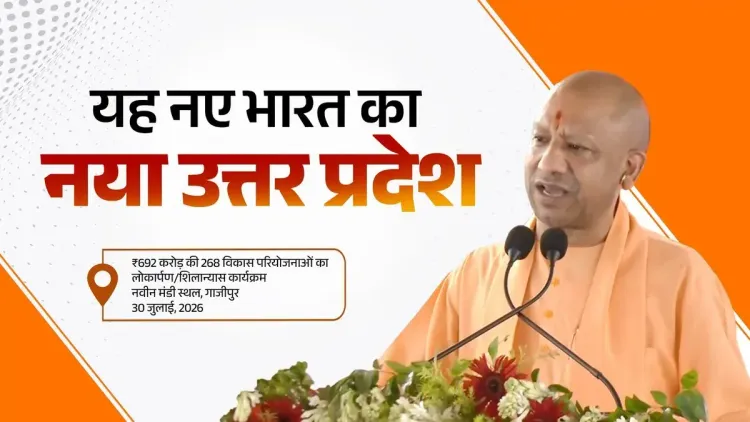
Chief Minister Yogi Adityanath on 30 July 2026 highlighted that Ghazipur district now has its own government medical college and four-lane road connectivity in all directions, reducing the Lucknow travel time to three-and-a-half hours — part of UP's twin push on health and highway infrastructure across Purvanchal.
Key Takeaways
Ghazipur Medical College is now operational, giving the district its own government MBBS institution for the first time.
Four-lane road connectivity is available from all directions around Ghazipur , per CM Yogi's statement on 30 July 2026 .
The Lucknow–Ghazipur journey now takes approximately three-and-a-half hours , down from a longer earlier baseline.
Both upgrades are part of a state policy running since 2017 to simultaneously expand medical colleges and arterial highways across Purvanchal .
Ghazipur's roughly 3.6 million residents are the primary beneficiaries of both the healthcare and connectivity improvements.
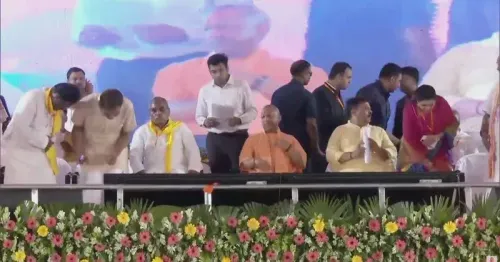
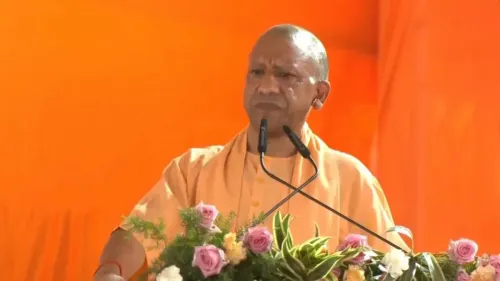
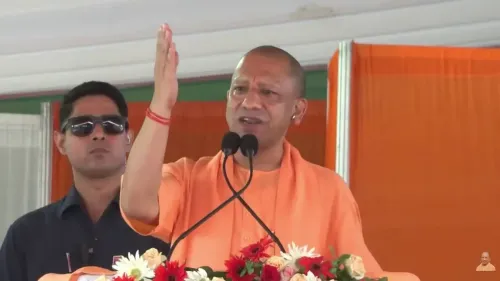
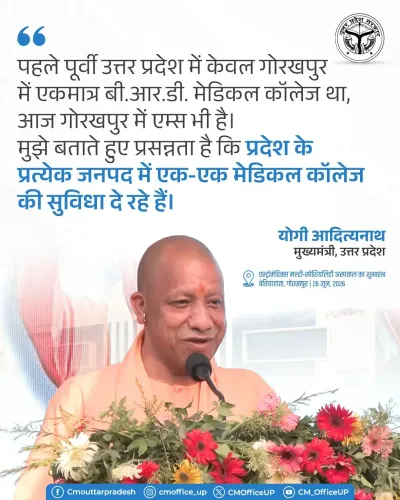
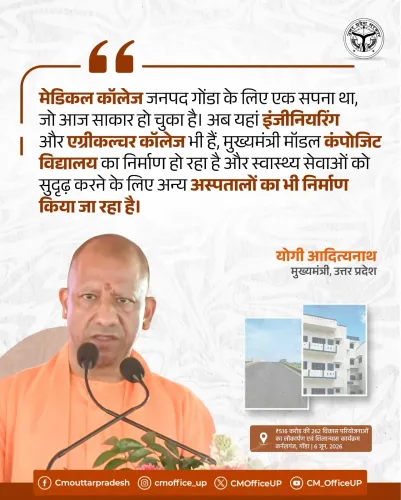
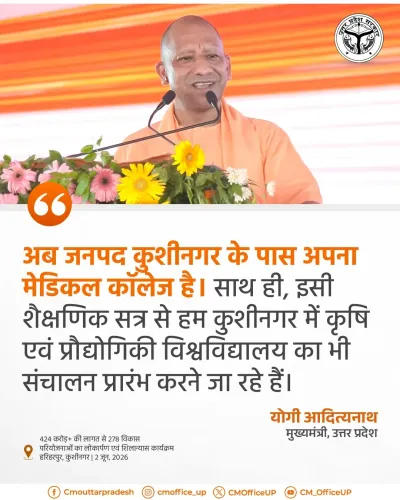
Eastern Uttar Pradesh's long-underserved Ghazipur district now has its own government medical college and four-lane road connectivity to the state capital — and Chief Minister Yogi Adityanath made sure to spell out exactly what that means for residents: the Lucknow–Ghazipur journey, once a grinding ordeal, now takes just three-and-a-half hours. The Chief Minister's Office of Uttar Pradesh shared his remarks on 30 July 2026.
Ghazipur's own medical college — what it changes
For decades, students from Ghazipur seeking MBBS seats or specialist care had to travel to Varanasi, Lucknow, or beyond. The new Ghazipur Medical College — part of the state government's push from 2017 onwards to plant district-level medical institutions across Uttar Pradesh — brings that pipeline home. Local students can now compete for government seats without relocating, and residents gain access to institutional healthcare within the district itself.
The Yogi government has operationalised government medical colleges in multiple districts since 2017, targeting a structural gap in Purvanchal — the eastern belt that had historically lagged behind western UP in health infrastructure. Ghazipur is among the latest districts to cross that threshold.
Four-lane connectivity and the Lucknow clock
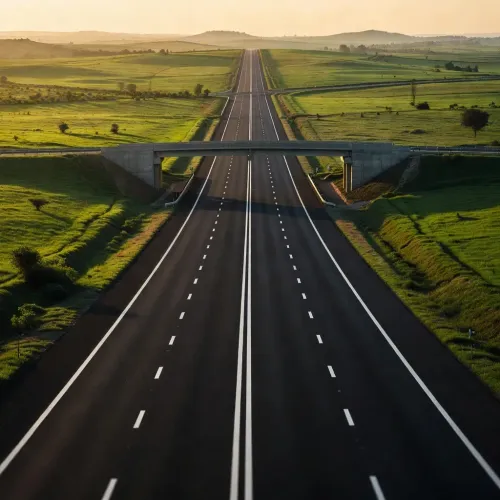
CM Yogi specifically cited four-lane connectivity from all directions as the enabler of the compressed travel time. State and national highway widening programmes in Purvanchal have been a parallel track of the same administrative push — the logic being that a medical college without fast roads still leaves patients stranded. Cutting the Lucknow–Ghazipur run to three-and-a-half hours matters for referrals, for commerce, and for the daily calculus of whether eastern UP feels connected to the state's power centre.
The broader pattern is deliberate: health infrastructure and arterial roads announced and delivered together, so neither investment is stranded by the absence of the other. For Ghazipur's roughly 3.6 million residents, both upgrades landing simultaneously shifts the baseline of what the district can offer.
The next test is operational depth — how many MBBS seats the college admits each year, whether specialist departments are fully staffed, and whether additional four-laning tenders or expressway spurs on the Ghazipur–Lucknow corridor follow. The infrastructure is in place. What it delivers is the story still being written.
Point of View
This is also a deliberate counter-narrative to the perception that eastern UP is perennially neglected; naming a specific travel time and a specific institution makes the claim concrete and checkable. The real accountability test will come from seat intake numbers at the medical college and traffic data on the four-lane corridors. If those numbers hold up, Ghazipur becomes a template; if they lag, the gap between announcement and delivery will become the story.
NationPress
13 Sept 2026
Frequently Asked Questions
Does Ghazipur have a government medical college now?
Yes. A government medical college has been established in Ghazipur district as part of the Uttar Pradesh government's drive since 2017 to set up district-level medical institutions across the state, particularly in the Purvanchal region.
How long does it take to travel from Ghazipur to Lucknow now?
CM Yogi Adityanath stated on 30 July 2026 that the Ghazipur–Lucknow distance can now be covered in approximately three-and-a-half hours , enabled by four-lane road connectivity.
What is the four-lane road connectivity around Ghazipur?
The Uttar Pradesh government has widened state and national highways connecting Ghazipur to four lanes from all directions, part of a broader Purvanchal highway upgrade programme accelerated after 2017 .
What is Yogi Adityanath's Purvanchal development plan?
The Yogi Adityanath government has pursued simultaneous expansion of district medical colleges and arterial road networks across Purvanchal — eastern Uttar Pradesh — since 2017 , aiming to reduce the region's infrastructure gap with western UP.
Which districts in UP got new medical colleges under Yogi government?
The Uttar Pradesh government operationalised government medical colleges in multiple districts from 2017 onwards, with Ghazipur among the districts to receive a new institution under this programme. A full district-by-district list has not been specified in the available official statement.