CM Yogi: Women's workforce share in UP crosses 36%
Synopsis
The Uttar Pradesh CMO, citing Chief Minister Yogi Adityanath, says women's workforce share has surged from 12% to over 36%, a 20% police reservation for women is now mandatory, and rural gharauni documents are issued in senior women's names — part of a broad gender-welfare push in India's most populous state.
Key Takeaways
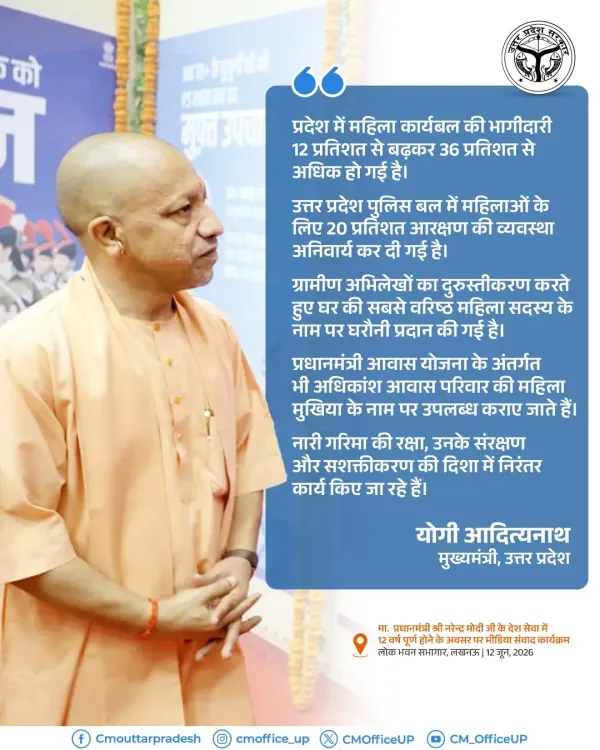
Women's workforce participation in Uttar Pradesh has reportedly risen from 12 per cent to over 36 per cent .
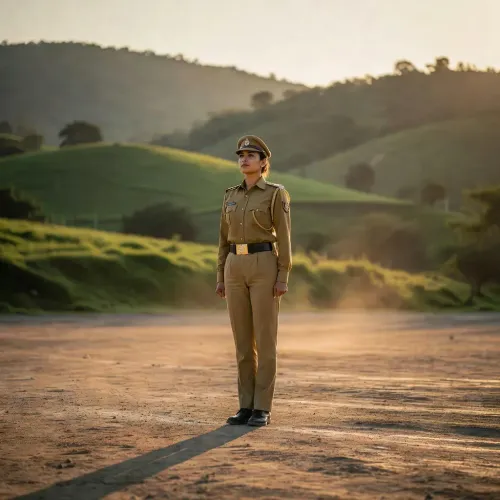
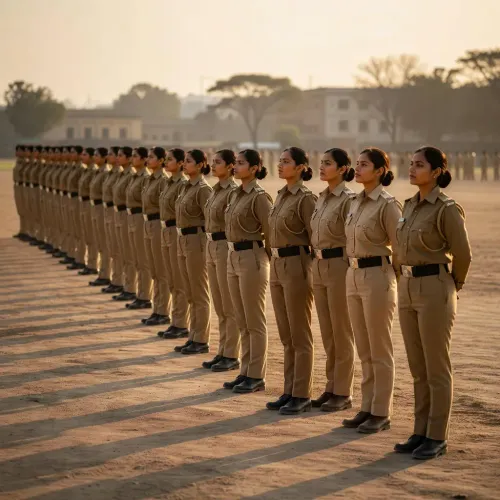
A 20 per cent reservation for women in the Uttar Pradesh Police has been made mandatory.
Rural homestead documents ( gharauni ) are now issued in the name of the senior-most female member of each household.
Under Pradhan Mantri Awas Yojana , most housing benefits in the state are provided in the name of the female head of the family.
The announcements were attributed to Chief Minister Yogi Adityanath via the official CMO account on 12 June 2026 .
The Chief Minister's Office of Uttar Pradesh on Friday, 12 June 2026, shared a series of welfare milestones attributed to Chief Minister Yogi Adityanath, highlighting a sharp rise in women's workforce participation, mandatory police reservations, and property rights reforms across the state.
Context
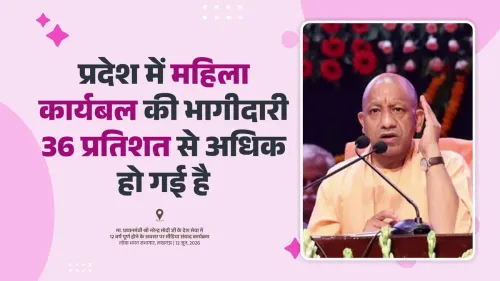
The post, shared from the official CMO account, states that women's workforce participation in the state has risen from 12 per cent to over 36 per cent. It further notes that a 20 per cent reservation for women in the Uttar Pradesh Police force has been made mandatory — a structural shift in one of India's largest state police organisations.
In the Chief Minister's words: 'प्रदेश में महिला कार्यबल की भागीदारी 12 प्रतिशत से बढ़कर 36 प्रतिशत से अधिक हो गई है' ['Women's workforce participation in the state has grown from 12 per cent to over 36 per cent'].
Policy Backdrop
The post references two flagship property-rights interventions. Under the state's rural land-record correction drive, a gharauni (homestead ownership document) is now issued in the name of the senior-most female member of each household — a move that formalises women's land rights in villages across Uttar Pradesh. The Pradhan Mantri Awas Yojana (PMAY), the central housing scheme launched in 2015, already mandates that housing benefits be allotted in the name of the female head of the family or on a joint-title basis; the CMO post reaffirms that this norm is being followed in the state's implementation.
The gharauni initiative builds on a 2022 state government order that regularised rural land records with priority to the senior-most woman member of a household, giving millions of rural women a formal stake in family property for the first time.
Stakeholders and Impact
The primary beneficiaries are women in rural Uttar Pradesh and female-headed households — groups historically under-represented in formal property ownership and uniformed services. A 20 per cent police quota is significant in a force that covers India's most populous state, potentially opening thousands of positions to women recruits in each recruitment cycle.
The workforce participation claim, if sustained by official survey data, would represent one of the sharpest gender-labour gains recorded for any large Indian state. Broader patterns across BJP-governed states since 2017 show a convergence of land-record digitisation, gender-targeted welfare delivery, and police-force diversity as interlocking policy priorities.
What's Next
Analysts will look to the next round of Periodic Labour Force Survey data for Uttar Pradesh to independently verify the workforce participation figures cited. Further state budget announcements on expanding women-specific reservations in other government departments, or scaling the gharauni programme to urban areas, would be the logical next steps in this policy arc.
The CMO's messaging signals that gender welfare and women's economic empowerment will remain central planks of the Yogi administration's public communication ahead of future electoral cycles in the state.
Point of View
Police quotas, and land titling — reflects a deliberate effort to build a documented policy record on women's empowerment ahead of future electoral cycles. By anchoring claims in measurable indicators rather than aspirational language, the Yogi administration is positioning itself within the national BJP framework of 'labharthi politics,' where welfare delivery is tied directly to the ruling party's identity. The gharauni and PMAY land-title provisions are particularly significant because they convert welfare into durable legal assets for women, creating a constituency with a material stake in the continuation of these policies. Independent verification of the workforce figures will be critical to assessing whether the gains are structural or driven by definitional shifts in how participation is measured.
NationPress
26 Oct 2026
Frequently Asked Questions
What is the current women's workforce participation rate in Uttar Pradesh?
According to the Uttar Pradesh CMO, women's workforce participation in the state has grown from 12 per cent to over 36 per cent, though independent verification from official survey data is pending.
What is the women's reservation in UP Police?
The Uttar Pradesh government has made a 20 per cent reservation for women in the state police force mandatory, opening a significant share of police recruitment to female candidates.
What is gharauni in Uttar Pradesh?
Gharauni is a homestead ownership document issued under the UP government's rural land-record correction drive. It is now provided in the name of the senior-most female member of each household, formalising women's property rights in villages.
How does Pradhan Mantri Awas Yojana benefit women in UP?
Under PMAY guidelines, housing benefits are allotted in the name of the female head of the family or on a joint-title basis. The UP government states that most homes under the scheme in the state are registered in women's names.
What steps has the Yogi government taken for women's empowerment in UP?
The Yogi Adityanath government has cited rising workforce participation, mandatory police reservations, rural land titling via gharauni, and PMAY housing in women's names as key measures for women's empowerment in Uttar Pradesh.