UPSC releases Civil Services Prelims 2026 answer keys, chairman calls it 'a new beginning'
Synopsis
For the first time, UPSC will publish provisional answer keys immediately after the Civil Services Prelims 2026 on 24 May, letting candidates challenge answers through an official online portal until 31 May. Chairman Ajay Kumar calls it 'a new beginning' — a structural shift that could reshape how India's most competitive exam handles accountability.
Key Takeaways
UPSC will release provisional answer keys for Civil Services Prelims 2026 shortly after the exam — a first for the Commission.
The preliminary exam is scheduled for 24 May 2026 ; candidates can submit objections until 31 May .
Objections must be filed via the Online Question Paper Representation Portal (QPRep) , supported by documents from three authentic sources .
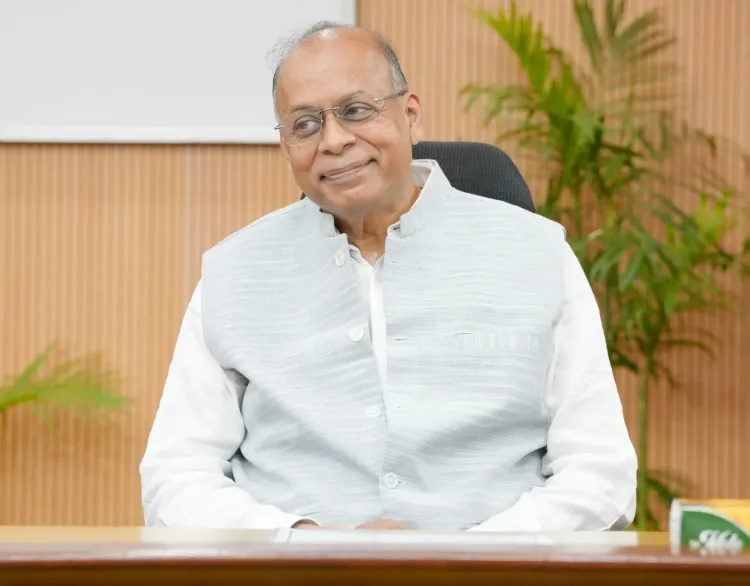
UPSC Chairman Ajay Kumar described the move as 'a new beginning' aimed at greater transparency and candidate responsiveness.
Expert panels with domain knowledge will review each objection before the final answer key is published.
The Union Public Service Commission (UPSC) has announced it will release provisional answer keys for the Civil Services (Preliminary) Examination 2026 shortly after the test concludes, marking a significant shift in the body's evaluation process. UPSC Chairman Ajay Kumar described the move as 'a new beginning', saying it would address longstanding candidate grievances and bring measurable transparency to one of India's most competitive examinations.
What Has Changed
Until now, UPSC did not share provisional answer keys with candidates after the preliminary stage, leaving aspirants with no official benchmark to assess their performance or challenge potentially erroneous answers. Under the new framework, the Commission will publish keys soon after the exam and open a dedicated online window for objections.
The Civil Services Preliminary Examination 2026 is scheduled for 24 May. Candidates will have until 31 May to submit representations through the Online Question Paper Representation Portal (QPRep).
How the Objection Process Works
Aspirants can flag answers they believe are incorrect by indicating the key they consider correct, providing a brief explanation, and attaching supporting documents from three authentic sources. The Commission has clarified that all objections will be reviewed by subject-matter experts with domain knowledge in the relevant subjects.
'The objections will be reviewed by subject experts with domain knowledge in the concerned subjects. The expert panels will evaluate each representation, verify the supporting documents, and decide on the correctness of the answers before the final answer key is published,' the UPSC said in an official statement.
What the Chairman Said
'This initiative reflects the Commission's ongoing endeavour to bring greater transparency, responsiveness, and timely communication with candidates,' UPSC Chairman Ajay Kumar said. He added that the move 'will also make the examination process more participative while upholding its sanctity, integrity, and merit-based framework.'
Why It Matters for Lakhs of Aspirants
The UPSC Civil Services Examination is conducted annually in three stages — preliminary, mains, and interview — to select officers for elite services including the Indian Administrative Service (IAS), Indian Police Service (IPS), and Indian Foreign Service (IFS). The examination attracts hundreds of thousands of candidates each year, making any procedural reform consequential at scale.
This comes amid broader scrutiny of public examination conduct in India following controversies in other national-level tests. The UPSC's move to institutionalise post-exam transparency — with a structured objection mechanism backed by expert review — signals a course correction that other examining bodies may now face pressure to replicate. The final answer key will be published after the expert review process is complete.
Point of View
The Commission is clearly signalling institutional self-correction before external pressure forces it. The structured objection mechanism, with expert-panel review and a document-backed submission requirement, is meaningfully designed — not cosmetic. The real test will be whether the final key reflects genuine expert revision or merely rubber-stamps original answers. If the process is credible, it sets a standard that bodies like NTA and state PSCs will find hard to ignore.
NationPress
3 Oct 2026
Frequently Asked Questions
What is the UPSC Civil Services Prelims 2026 answer key reform?
UPSC has decided to release provisional answer keys shortly after the Civil Services Preliminary Examination 2026, scheduled for 24 May. This is a new practice for the Commission, allowing candidates to review official answers and raise objections through a dedicated online portal.
How can candidates submit objections to the UPSC answer key?
Candidates can file objections through the Online Question Paper Representation Portal (QPRep) until 31 May 2026. They must indicate the answer they believe is correct, provide a brief explanation, and attach supporting documents from three authentic sources.
Who will review the objections raised against the UPSC answer key?
Subject-matter experts with domain knowledge in the relevant subjects will review all objections. These expert panels will verify supporting documents and assess the correctness of answers before the final key is published.
Why is the UPSC answer key release significant?
Previously, UPSC did not share provisional answer keys after the preliminary exam, leaving candidates with no official mechanism to challenge potentially incorrect answers. The new process institutionalises transparency and gives aspirants a formal grievance channel.
Which services does the UPSC Civil Services Examination recruit for?
The UPSC Civil Services Examination selects officers for premier services including the Indian Administrative Service (IAS), Indian Police Service (IPS), and Indian Foreign Service (IFS), among others. It is conducted annually in three stages: preliminary, mains, and interview.