Urban female unemployment falls to 8.5% in April, lowest since 2025

Synopsis
India's urban female unemployment rate hit an 8.5% one-year low in April 2026, even as the overall LFPR dipped slightly. Rural wage employment is also rising. The data, now monthly thanks to a 2025 PLFS methodology upgrade, offers the most granular labour market snapshot India has published — and the trend lines, while modest, are pointing in the right direction.
Key Takeaways
Urban female unemployment (15+ age group) fell to 8.5 per cent in April 2026 — the lowest since April 2025 .
Overall urban Workers Participation Rate (WPR) held at 46.8 per cent in April 2026, unchanged month-on-month.
The Labour Force Participation Rate (LFPR) eased slightly to 55.0 per cent in April from 55.4 per cent in March 2026.
Urban Unemployment Rate declined to 6.6 per cent in January–March 2026 , down from 6.7 per cent the previous quarter.
Rural regular wage and salaried workers rose to 15.5 per cent in Q1 2026 from 14.8 per cent in Q4 2025.
The PLFS methodology was revised from January 2025 to provide monthly and quarterly national labour force estimates.
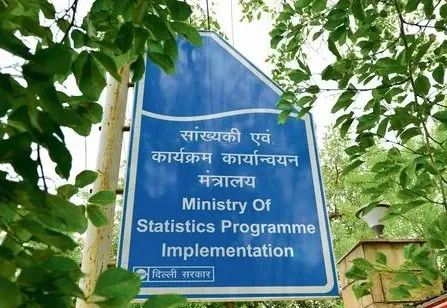
India's urban female unemployment rate for the 15-years-and-above age group dropped to 8.5 per cent in April 2026, the lowest reading since April 2025, according to official data released by the Ministry of Statistics on Friday, 15 May 2026. The figures, drawn from the Periodic Labour Force Survey (PLFS) conducted by the National Statistics Office (NSO), signal a steady improvement in women's labour market conditions in urban India.
Key Employment Indicators
The overall urban Workers Participation Rate (WPR) for those aged 15 years and above held steady at 46.8 per cent in April 2026, unchanged from the previous month. Meanwhile, the Labour Force Participation Rate (LFPR) edged down marginally to 55.0 per cent in April from 55.4 per cent in March 2026, suggesting a slight contraction in the active labour pool even as unemployment eased.
Urban Unemployment Trend: January–March 2026
The broader urban unemployment picture also showed improvement over the quarter. The overall Urban Unemployment Rate (UR) for persons aged 15 years and above declined to 6.6 per cent during January–March 2026, down from 6.7 per cent in the preceding quarter. The Ministry of Statistics attributed this to a combination of demand recovery in urban services and a gradual absorption of the workforce into formal and semi-formal employment.
Rural Employment Gains
Rural India recorded its own positive signals during the same period. The share of regular wage and salaried workers in rural areas rose to 15.5 per cent in January–March 2026, up from 14.8 per cent in the previous quarter. Employment in both the secondary (manufacturing, construction) and tertiary (services, trade) sectors expanded in rural areas, even as the rural workforce remains predominantly anchored in the primary sector — agriculture and allied activities.
How the Data Is Collected
The PLFS, India's primary instrument for tracking labour force conditions, underwent a methodological revision from January 2025 to enable monthly and quarterly estimates of key labour force indicators at the national level — a significant upgrade from its earlier annual and quarterly cadence. This makes the April 2026 figures among the most granular and timely employment readings the government has published to date.
What the Numbers Mean
Notably, the structural divide in India's labour market remains intact: the urban workforce is concentrated in the tertiary sector, while the rural workforce is dominated by the primary sector. The modest but consistent improvement in female urban unemployment — now at a one-year low — reflects a gradual broadening of economic participation, though analysts caution that a declining LFPR alongside a falling unemployment rate can sometimes indicate that fewer women are actively seeking work rather than more finding it. The government is expected to release the full quarterly PLFS report with state-level breakdowns in the coming weeks.
Point of View
But it can equally mean fewer women are actively looking. The government's headline of 8.5% urban female unemployment is the best reading in a year, but without a corresponding rise in the WPR or LFPR for women specifically, the picture is incomplete. India's labour force data has long underreported female participation due to classification of unpaid domestic and agricultural work. The PLFS methodology upgrade from January 2025 is a genuine improvement in frequency, but the structural measurement gaps remain. Policymakers should be cautious about reading a one-month improvement as a trend reversal.
NationPress
22 Sept 2026
Frequently Asked Questions
What is India's urban female unemployment rate in April 2026?
India's urban female unemployment rate for the 15-years-and-above age group stood at 8.5 per cent in April 2026, the lowest level recorded since April 2025, according to data released by the Ministry of Statistics on 15 May 2026.
What is the PLFS and how does it measure employment?
The Periodic Labour Force Survey (PLFS), conducted by the National Statistics Office (NSO), is India's primary source of data on employment and unemployment conditions. From January 2025, its methodology was revised to provide monthly and quarterly national-level estimates, making it more timely than before.
What happened to rural employment in January–March 2026?
Rural employment improved during January–March 2026, with the share of regular wage and salaried workers rising to 15.5 per cent from 14.8 per cent in the previous quarter. Employment in both the secondary and tertiary sectors also expanded in rural areas during this period.
What is India's overall urban unemployment rate for early 2026?
The overall urban unemployment rate for persons aged 15 years and above declined to 6.6 per cent during January–March 2026, marginally lower than the 6.7 per cent recorded in the preceding quarter, according to Ministry of Statistics data.
Why did the Labour Force Participation Rate dip in April 2026?
The overall Labour Force Participation Rate (LFPR) edged down to 55.0 per cent in April 2026 from 55.4 per cent in March 2026. The Ministry of Statistics has not provided a specific explanation for the dip; analysts note that a falling LFPR alongside declining unemployment can sometimes indicate fewer people actively seeking work rather than more finding it.