Uttarakhand CM Office Pushes 13 Districts 13 Destinations Plan
Synopsis
The Uttarakhand government is accelerating its '13 Janpad, 13 Destinations' scheme to brand one flagship tourism spot per district, create new markets for local products, and expand self-employment for artisans and rural youth — with Pithoragarh among the districts in focus.
Key Takeaways
The Chief Minister's Office of Uttarakhand announced on 5 July 2026 that the '13 Janpad, 13 Destinations' scheme is being rapidly advanced.
The scheme designates one flagship tourism destination per district across all 13 districts of Uttarakhand.
Primary goals include giving new identity to tourism and culture, opening new markets for local products, and expanding self-employment opportunities.
Pithoragarh , Uttarakhand's northernmost district known for Himalayan terrain and pilgrimage sites, is among the districts being highlighted.
The initiative aligns with the Uttarakhand Tourism Policy 2021 , which called for district-level diversification beyond the Char Dham circuit.
Local artisans and rural youth are identified as the primary beneficiaries of the scheme.
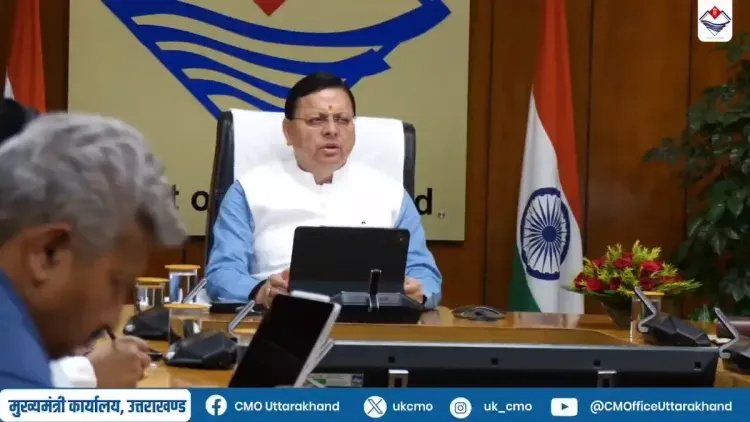
The Chief Minister's Office of Uttarakhand on Sunday, 5 July 2026 announced that the state government is actively advancing its '13 Janpad, 13 Destinations' scheme, aimed at giving new identity to tourism, culture, and the local economy across all thirteen districts of the state, with a specific mention of Pithoragarh.
Context
The post, shared in Hindi, states: 'Uttarakhand sarkar paryatan, sanskriti aur sthaniya arthvyavastha ko nayi pahchaan dene ke liye 13 Janpad, 13 Destination yojana ko teji se aage badha rahi hai' ('The Uttarakhand government is rapidly advancing the 13 Districts, 13 Destinations scheme to give new identity to tourism, culture and the local economy'). The official account added that the initiative is opening new markets for local products and expanding self-employment opportunities. The hashtags #13Districts13Destinations, #Uttarakhand, and #Pithoragarh accompanied the post, signalling a district-specific promotional push.
Policy Backdrop
The '13 Janpad, 13 Destinations' scheme designates one flagship tourism destination per district across Uttarakhand's thirteen districts, tying together local culture, artisan products, and visitor experiences under a unified brand. This approach aligns with the Uttarakhand Tourism Policy 2021, which explicitly called for district-level diversification beyond the heavily trafficked Char Dham pilgrimage circuit. By anchoring each district's identity around a distinct destination, the state seeks to distribute tourism revenue more equitably across remote Himalayan areas that have historically been bypassed by mainstream travel.
The broader 'one district, one product' model has gained traction across several Indian states as a strategy to connect indigenous crafts and agricultural produce with organised markets. For Uttarakhand, where out-migration from villages remains a persistent challenge, schemes that create non-farm income are considered especially critical by policymakers.
Stakeholders and Impact
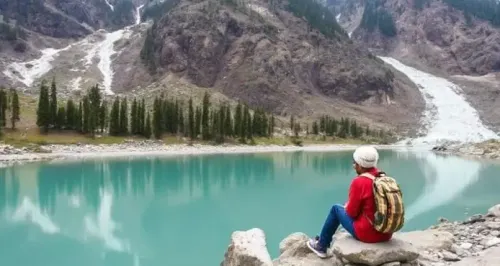
The primary beneficiaries identified by the government are local artisans and rural youth seeking self-employment. By routing tourist footfall toward district-specific destinations, the scheme creates demand for locally made goods — from Himalayan handicrafts to organic produce — that might otherwise lack organised market access. Pithoragarh, the northernmost district of Uttarakhand bordering Nepal and Tibet, is among the districts being spotlighted; its remote terrain, historic forts, and pilgrimage sites make it a candidate for niche adventure and heritage tourism that can support local livelihoods.
For rural communities in high-altitude districts, the scheme represents a potential buffer against seasonal income volatility and the pull of urban migration. Artisan clusters and homestay operators stand to gain from increased and more geographically spread visitor numbers.
What's Next
The pace at which the scheme is being 'rapidly advanced,' as stated by the Chief Minister's Office, suggests active implementation rather than a planning phase. Observers and policymakers will watch district-level tourism statistics and local product sales data as indicators of whether the initiative translates into measurable income gains for remote communities. The success of early-adopter districts like Pithoragarh could shape how the state scales and replicates the model across the remaining districts. A structured rollout across all 13 districts would mark a significant step in Uttarakhand's ambition to become a year-round, multi-destination tourism economy rather than a seasonally concentrated pilgrimage corridor.
Point of View
Not merely a revenue driver. The explicit mention of Pithoragarh suggests a deliberate effort to draw attention to border districts that are often peripheral to mainstream tourism narratives. This fits a broader pattern among Himalayan states using decentralised destination branding to slow out-migration, a politically sensitive issue in hill constituencies. The scheme's real test will be whether it generates verifiable income data that can sustain political and budgetary commitment beyond the promotional cycle.
NationPress
5 Jul 2026
Frequently Asked Questions
What is the 13 Janpad 13 Destinations scheme in Uttarakhand?
The '13 Janpad, 13 Destinations' scheme is an Uttarakhand government initiative that selects one flagship tourism destination per district across all thirteen districts, aiming to promote local culture, open new markets for local products, and create self-employment opportunities for artisans and rural youth.
Which districts are covered under Uttarakhand's 13 Destinations scheme?
The scheme covers all thirteen districts of Uttarakhand. The Chief Minister's Office specifically highlighted Pithoragarh in its 5 July 2026 post, suggesting active promotion of that northernmost district.
How does the 13 Districts 13 Destinations scheme help local artisans?
By directing tourist footfall toward district-specific destinations, the scheme creates organised demand for locally made handicrafts, organic produce, and other indigenous goods, giving artisans market access they might otherwise lack.
What is Pithoragarh known for in the context of Uttarakhand tourism?
Pithoragarh is Uttarakhand's northernmost district, bordering Nepal and Tibet. It is known for its remote Himalayan terrain, historic forts, and pilgrimage sites, making it suitable for niche adventure and heritage tourism.
What is the policy background behind Uttarakhand's district tourism push?
The Uttarakhand Tourism Policy 2021 called for district-level tourism diversification beyond the Char Dham pilgrimage circuit. The 13 Janpad 13 Destinations scheme is a direct implementation of that policy direction, seeking to spread tourism revenue across remote hill districts.