Uttarakhand CM Office Pushes Horticulture to Boost Farmer Income
Synopsis
The Uttarakhand Chief Minister's Office on 25 July 2026 posted that the state government is actively working to raise farmer incomes and give horticulture a new direction, with Nainital district in focus. The push aligns with the national Mission for Integrated Development of Horticulture and India's broader agricultural diversification goals.
Key Takeaways
The Chief Minister's Office of Uttarakhand on 25 July 2026 publicly reaffirmed the state's commitment to raising farmer incomes through horticulture.
Nainital district was specifically tagged in the post, signalling it as a focal area for horticulture development.
Uttarakhand has been aligned with the centrally sponsored Mission for Integrated Development of Horticulture (MIDH) since 2014-15 .
The state's horticulture push is linked to the national goal of doubling farmers' incomes, announced in 2016 .
Hill farmers on small, fragmented landholdings are the primary target beneficiaries of the state's horticulture strategy.
Rural out-migration in Uttarakhand's hills makes income diversification through horticulture a social policy priority as much as an agricultural one.
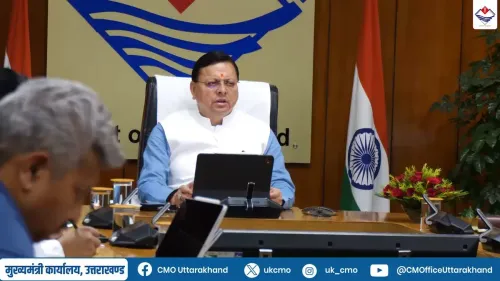
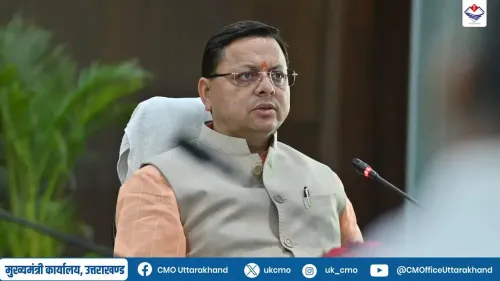
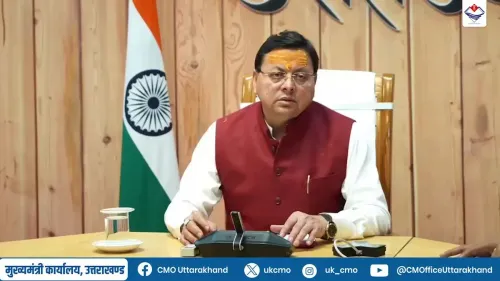
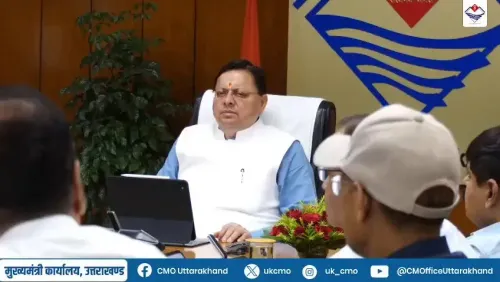
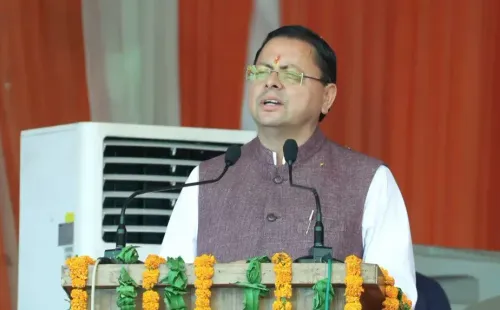
The Chief Minister's Office of Uttarakhand on Saturday, 25 July 2026 signalled a renewed state push to raise farmer incomes through horticulture, sharing a video post that highlighted the government's ongoing efforts to give the sector a fresh direction across the hill state, with Nainital district in focus.
The post, in Hindi, stated: 'Uttarakhand sarkar kisanon ki aay badhane aur bagwani ko nayi disha dene mein juti hai' — 'The Uttarakhand government is engaged in raising farmers' incomes and giving horticulture a new direction.' The message was tagged with #Horticulture, #Agriculture, #Farmers, #Nainital, and #Uttarakhand.
Context
Uttarakhand's agrarian economy is dominated by small and fragmented landholdings spread across difficult Himalayan terrain, where traditional cereal cultivation yields comparatively low returns. Horticulture — covering fruits, vegetables, and floriculture — has long been identified as a more viable income source for hill farmers, given the state's altitude range and climatic diversity. Nainital district, with its temperate conditions, holds particular potential for high-value fruit crops.
Rural out-migration has been a persistent challenge in the state, and raising on-farm incomes through diversified, high-value crops is seen as one lever to slow that trend. The government's focus on horticulture is therefore as much a social policy as an agricultural one.
Policy Backdrop
Uttarakhand has aligned its agricultural planning with the centrally sponsored Mission for Integrated Development of Horticulture (MIDH), launched by the Government of India in 2014-15, which funds infrastructure, planting material, post-harvest facilities, and market linkages for horticulture growers nationwide. The state began drawing on MIDH resources to diversify cropping patterns in its hill districts from that year onward.
The broader national backdrop includes the Government of India's 2016 commitment to double farmers' income by 2022, a target that pushed states including Uttarakhand to prioritise high-value crops over subsistence cereals. While the national deadline has passed, the policy momentum it generated — toward fruits, nuts, spices, and floriculture — continues to shape state agricultural programmes.
Stakeholders and Impact
The primary beneficiaries of any expanded horticulture push would be hill farmers and horticulture growers in districts such as Nainital, Almora, Chamoli, and Uttarkashi, where altitude and soil conditions are suited to apple, stone fruit, and vegetable cultivation. Improved incomes in these communities could also reduce pressure on urban centres in the plains that absorb seasonal migrants from the hills.
Supply-chain actors — including cold-storage operators, aggregators, and market intermediaries — stand to benefit if production volumes rise and post-harvest infrastructure keeps pace. Consumer markets in the plains would gain access to a wider range of fresh hill produce.
What's Next
The immediate focus will be on whether the state government follows this public communication with detailed programme announcements — specific projects in Nainital district, budget allocations, or new farmer-support schemes. Subsequent state reports on changes in farmer household incomes will be a key metric for evaluating the effectiveness of any new horticulture initiatives.
For Uttarakhand, sustained progress in horticulture could serve as a template for other Himalayan states grappling with similar challenges of small landholdings, climate vulnerability, and rural depopulation — making the state's experience closely watched at the national level.
Point of View
The CM Office appears to be signalling district-level targeting rather than a generic state-wide message — a shift that, if backed by programme detail, could indicate more focused implementation. The post also keeps Uttarakhand in step with the national narrative of agricultural diversification, which has gained fresh urgency as the 2022 income-doubling deadline passed without universal achievement. The real test will be whether this communication is followed by verifiable on-ground interventions and measurable income data for hill farming households.
NationPress
25 Jul 2026
Frequently Asked Questions
What is Uttarakhand government doing for horticulture in 2026?
The Uttarakhand government has signalled a focused push to develop horticulture and raise farmer incomes, with Nainital district highlighted as a key area, as communicated by the Chief Minister's Office on 25 July 2026.
What is the Mission for Integrated Development of Horticulture?
The Mission for Integrated Development of Horticulture (MIDH) is a centrally sponsored scheme launched in 2014-15 by the Government of India to promote holistic growth of the horticulture sector, covering fruits, vegetables, and floriculture, with states like Uttarakhand among its key beneficiaries.
Why is horticulture important for Uttarakhand farmers?
Horticulture offers higher income potential than traditional cereal crops on Uttarakhand's small, fragmented hill landholdings, making it a key strategy to raise rural incomes and reduce out-migration from the hills.
Which districts in Uttarakhand are suited for horticulture?
Districts such as Nainital, Almora, Chamoli, and Uttarkashi have temperate climates and altitude ranges suited to apple, stone fruit, and vegetable cultivation, making them natural candidates for horticulture promotion.
What was India's target for doubling farmers' incomes?
The Government of India announced in 2016 a target to double farmers' incomes by 2022, prompting states including Uttarakhand to prioritise high-value horticultural crops as part of their agricultural strategies.