CM Uttarakhand Office Highlights PMUY's Rural Impact
Synopsis
The Chief Minister's Office of Uttarakhand on 13 June 2026 amplified the Pradhan Mantri Ujjwala Yojana's rural impact as part of the #12YearsofGaribKalyan campaign, spotlighting the scheme's role in bringing clean LPG cooking fuel to BPL households across the state.
Key Takeaways
The Uttarakhand CMO posted on 13 June 2026 highlighting the rural impact of Pradhan Mantri Ujjwala Yojana .
PMUY was launched on 1 May 2016 in Ballia, Uttar Pradesh by PM Narendra Modi to provide free LPG connections to BPL women.
The post is part of the national #12YearsofGaribKalyan campaign marking over a decade of central welfare initiatives.
Uttarakhand's remote Himalayan districts faced particular challenges in clean-fuel penetration, making PMUY implementation significant for the state.
Primary beneficiaries are rural women from BPL households , who gain reduced health risks and time savings from LPG access.
State-level LPG penetration data and possible next-phase Ujjwala announcements are the key developments to watch.
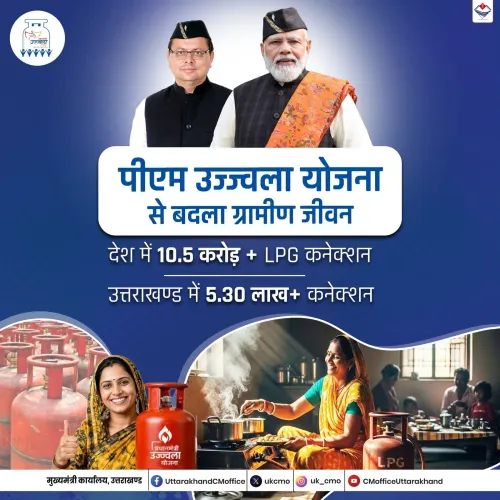
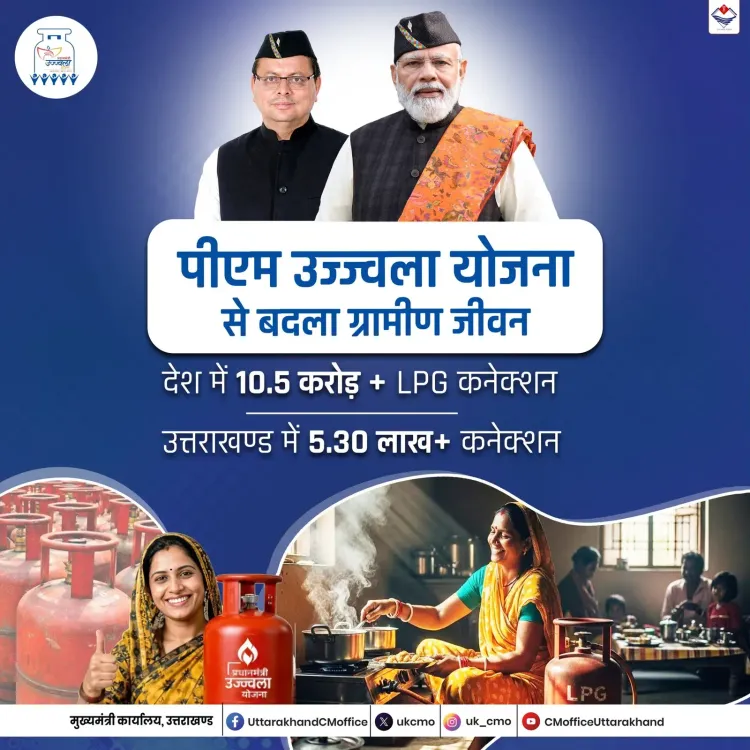
The Chief Minister's Office of Uttarakhand on Saturday, 13 June 2026 shared a post on X marking the transformative impact of the Pradhan Mantri Ujjwala Yojana (PMUY) on rural life in the state, as part of the nationwide #12YearsofGaribKalyan campaign celebrating a decade-plus of central welfare initiatives.
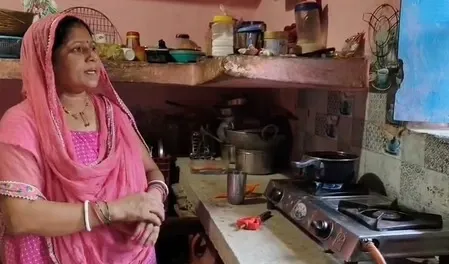
The post, captioned 'Pradhan Mantri Ujjwala Yojana se badla gramin jeevan' ('Rural life transformed by the Pradhan Mantri Ujjwala Yojana'), was accompanied by an image and hashtagged with #Uttarakhand, signalling the state government's alignment with the Centre's messaging around direct-benefit schemes.
Context
Pradhan Mantri Ujjwala Yojana was launched on 1 May 2016 in Ballia, Uttar Pradesh, by Prime Minister Narendra Modi. The scheme's core objective was to provide free LPG connections to adult women from below-poverty-line (BPL) households, replacing traditional biomass-based cooking fuels such as wood, dung cakes, and crop residue. Indoor air pollution from such fuels had long been identified as a serious public health concern, disproportionately affecting rural women and children.
The #12YearsofGaribKalyan hashtag situates this post within a broader commemorative arc marking roughly twelve years of the National Democratic Alliance government's poverty-alleviation agenda since 2014, of which PMUY is one of the flagship pillars.
Policy Backdrop
Uttarakhand, a northern Himalayan state with a substantial rural and semi-urban population spread across difficult terrain, has historically faced challenges in clean-fuel penetration. Remote villages in districts such as Chamoli, Pithoragarh, and Uttarkashi were among the hardest to reach with conventional LPG supply chains. PMUY's implementation in the state required coordination between the state government and central oil marketing companies to extend the distribution network to these areas.
The scheme targeted adult women as the primary beneficiaries and account holders, a design choice intended to give women greater agency over household energy decisions. Across India, PMUY has been credited with accelerating LPG adoption in rural areas that previously had negligible clean-cooking-fuel access.
Stakeholders and Impact
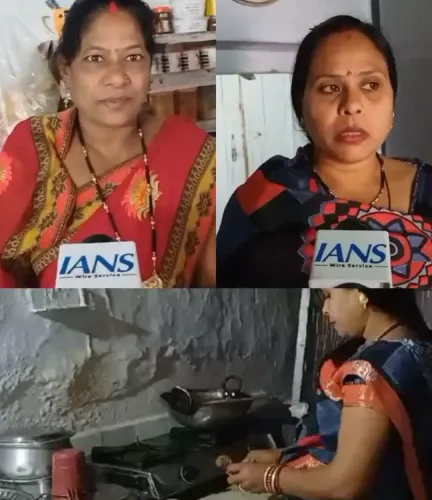
The primary beneficiaries of PMUY in Uttarakhand are rural women from BPL households, for whom access to LPG connections has reduced the time burden of collecting firewood and lowered exposure to harmful smoke. Health workers and environmental advocates have noted the scheme's potential to reduce respiratory illnesses linked to solid-fuel combustion.
State agencies, district administrations, and oil marketing companies are the key implementation stakeholders. The Uttarakhand CMO's amplification of this messaging underscores the state government's role in communicating central scheme outcomes to constituents, particularly ahead of any potential policy reviews or subsidy revisions at the national level.
What's Next
Attention will now turn to state-level LPG penetration data and any announcements regarding a next phase of Ujjwala connections or adjustments to the refill subsidy structure. The #12YearsofGaribKalyan campaign suggests a period of heightened communications activity around welfare scheme milestones, and Uttarakhand's participation indicates the state intends to remain an active voice in that narrative. Sustained rural outreach and last-mile delivery improvements will be critical to converting initial connections into regular, active LPG users across the state's remote districts.
Point of View
Timed to the #12YearsofGaribKalyan campaign that seeks to consolidate the BJP's identity as a pro-poor governance force ahead of electoral cycles. By foregrounding PMUY's rural transformation, the state government signals its alignment with New Delhi's messaging architecture while also claiming a share of the scheme's political dividend locally. The choice to highlight a women-centric clean-energy programme is strategically significant in a state where rural female voters and environmental concerns carry weight. Whether this translates into fresh policy announcements or remains symbolic outreach will determine its longer-term impact.
NationPress
29 Jul 2026
Frequently Asked Questions
What is Pradhan Mantri Ujjwala Yojana and who benefits from it?
Pradhan Mantri Ujjwala Yojana (PMUY) is a central government scheme launched on 1 May 2016 to provide free LPG connections to adult women from below-poverty-line households, replacing traditional solid cooking fuels and reducing indoor air pollution.
When was PMUY launched and by whom?
PMUY was launched by Prime Minister Narendra Modi on 1 May 2016 in Ballia, Uttar Pradesh, as a flagship poverty-alleviation and clean-energy initiative.
What is the #12YearsofGaribKalyan campaign?
#12YearsofGaribKalyan is a social media campaign marking over twelve years of the central government's welfare and poverty-alleviation programmes since 2014, under which schemes like PMUY are highlighted.
How has Ujjwala Yojana impacted Uttarakhand's rural areas?
In Uttarakhand, PMUY has helped extend LPG access to remote Himalayan districts where clean cooking fuel was previously unavailable, reducing health risks from solid-fuel smoke for rural women and BPL households.
What should we expect next regarding PMUY in Uttarakhand?
Key developments to watch include state-level LPG penetration data releases and any central government announcements on a next phase of Ujjwala connections or changes to the refill subsidy structure.