CM Uttarakhand Office: Ujjwala Yojana Transforms Rural Life
Synopsis
The Uttarakhand Chief Minister's Office marked 12 years of Garib Kalyan programmes on 12 June 2026 by highlighting how PM Ujjwala Yojana has transformed rural life in the state, spotlighting clean-fuel access for BPL women in its hill communities.
Key Takeaways
The Uttarakhand Chief Minister's Office posted on 12 June 2026 highlighting the impact of Pradhan Mantri Ujjwala Yojana on rural life.
The post is part of the #12YearsofGaribKalyan campaign marking over a decade of central welfare programmes since 2014.
PM Ujjwala Yojana was launched on 1 May 2016 in Ballia, Uttar Pradesh , targeting 5 crore BPL households with free LPG connections.
The scheme replaces biomass fuels with LPG, reducing indoor air pollution and time poverty for rural women.
Uttarakhand's hilly terrain makes the scheme especially significant, as firewood collection has historically been a major burden for women in remote villages.
Refill rates and subsidy continuity remain key metrics to watch for assessing sustained clean-fuel adoption.
The Chief Minister's Office of Uttarakhand on Friday, 12 June 2026 highlighted the transformative impact of the Pradhan Mantri Ujjwala Yojana on rural households across the state, marking the occasion under the hashtag #12YearsofGaribKalyan — a campaign celebrating over a decade of central welfare initiatives.
Context
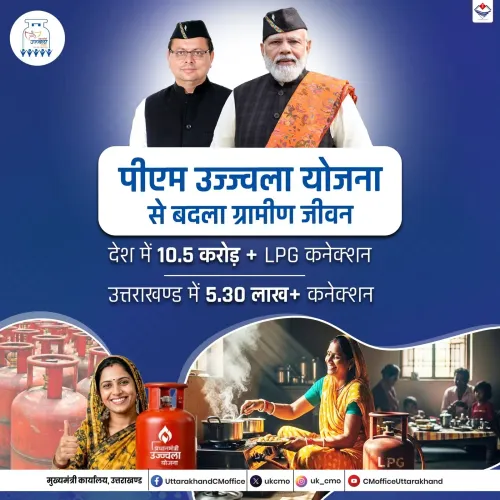
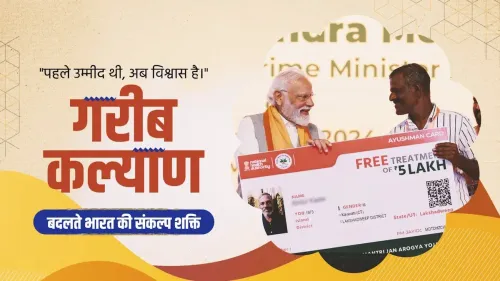
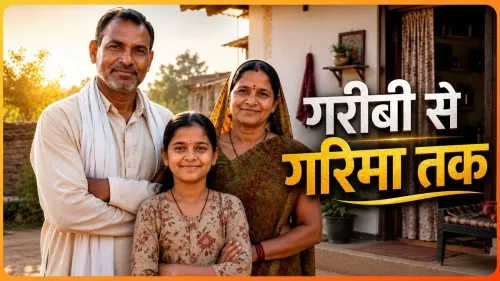
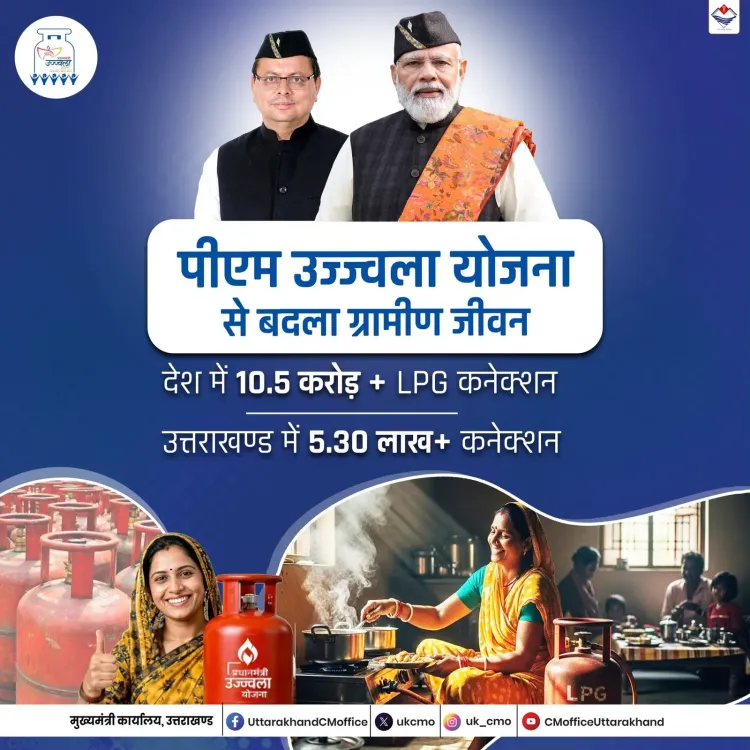
The post, shared from the official handle of the Uttarakhand Chief Minister's Office, states: 'Pradhan Mantri Ujjwala Yojana se badla gramin jeevan' ('Pradhan Mantri Ujjwala Yojana has transformed rural life'). The message is accompanied by an image and is pegged to the #12YearsofGaribKalyan campaign, which situates the Ujjwala scheme within a broader continuum of poverty-alleviation programmes rolled out by the central government since 2014. The post signals the state government's alignment with the Centre's welfare narrative as the scheme enters its second decade.
Policy Backdrop
The Pradhan Mantri Ujjwala Yojana was launched on 1 May 2016 in Ballia, Uttar Pradesh, by Prime Minister Narendra Modi, with an initial target of providing 5 crore LPG cooking-gas connections to women from below-poverty-line households. The scheme was designed to replace biomass fuels — wood, dung cakes, and crop residue — with clean LPG, directly addressing indoor air pollution, a major health burden borne disproportionately by rural women. A second phase of the scheme subsequently expanded coverage to additional vulnerable categories including migrants, forest dwellers, and those in hilly and island territories.
Uttarakhand, a mountainous state where remote villages have historically depended on firewood and biomass for cooking, has been among the states where the scheme carries particular significance. The terrain makes fuel logistics challenging, and the shift to LPG represents a structural change in daily household routines for women in these communities.
Stakeholders and Impact
The primary beneficiaries of the Ujjwala Yojana are women from BPL households, who receive free LPG connections under the scheme. Beyond the immediate health benefit of reduced smoke inhalation, the scheme is credited with reducing the time women spend collecting firewood — time that can be redirected toward livelihood, education, or childcare. Rural women in Uttarakhand's hill districts, where firewood collection has traditionally been a physically demanding, hours-long daily task, stand to gain substantially from sustained LPG access. State agencies, LPG distributors, and self-help groups have all played roles in last-mile delivery of connections across the state's difficult geography.
What's Next
Attention will now turn to state-level data on LPG connection numbers and, critically, refill rates among Uttarakhand's Ujjwala beneficiaries — a metric that indicates whether connections translate into sustained clean-fuel use. The central government's subsidy framework for Ujjwala beneficiaries remains a key policy variable, with periodic reviews determining the affordability of refills for the poorest households. As the #12YearsofGaribKalyan campaign continues, further state-level assessments and possible central reviews of the scheme's outcomes in hill states like Uttarakhand are expected to follow.
Point of View
Tying the state government's welfare narrative to the Centre's decade-long Garib Kalyan brand ahead of what is shaping up to be a period of intensified welfare stocktaking. Highlighting Ujjwala specifically — a scheme with a visible, tangible beneficiary in rural women — reflects a broader BJP-governed state strategy of amplifying central schemes as proof of governance delivery. The real test, however, lies not in connections distributed but in sustained LPG refill rates, which remain the scheme's most contested metric. If Uttarakhand can demonstrate high refill uptake in its remote hill districts, it would mark a genuine policy achievement; if refill rates have stagnated, the celebratory framing risks being overtaken by ground-level data.
NationPress
29 Jul 2026
Frequently Asked Questions
What is Pradhan Mantri Ujjwala Yojana?
Pradhan Mantri Ujjwala Yojana is a central government scheme launched on 1 May 2016 to provide free LPG cooking-gas connections to women from below-poverty-line households, replacing biomass fuels and reducing indoor air pollution.
How has Ujjwala Yojana helped rural women in Uttarakhand?
In Uttarakhand, the scheme has provided LPG connections to BPL households in hilly and remote areas, reducing the time women spend collecting firewood and cutting exposure to harmful cooking smoke.
What is the #12YearsofGaribKalyan campaign?
#12YearsofGaribKalyan is a campaign marking over 12 years of central welfare programmes initiated since 2014, of which Ujjwala Yojana is a flagship component targeting energy access for the poor.
Who launched PM Ujjwala Yojana and when?
Prime Minister Narendra Modi launched the Pradhan Mantri Ujjwala Yojana on 1 May 2016 in Ballia, Uttar Pradesh, with an initial target of 5 crore LPG connections for BPL families.
What is the next step for Ujjwala Yojana in Uttarakhand?
Observers will watch for state-level data on LPG connection numbers and refill rates in Uttarakhand, as well as central government decisions on subsidy continuation for Ujjwala beneficiaries.