Uttarakhand CM Relief Fund grants Rs 3.36 lakh to Dehradun disaster families
Synopsis
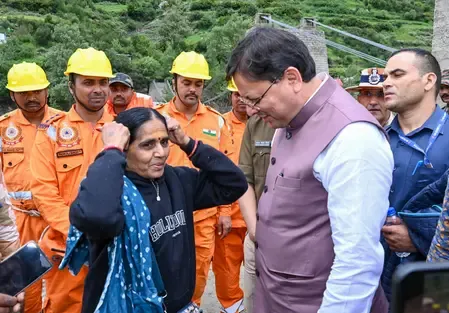
The Uttarakhand Chief Minister's Office has sanctioned Rs 3.36 lakh from the Chief Minister's Relief Fund for 14 families displaced by a natural disaster in Dehradun's Majhada and Karligad villages, covering six months of rented accommodation at Rs 4,000 per family per month.
Key Takeaways
Rs 3.36 lakh sanctioned from the Chief Minister's Relief Fund for disaster-affected families in Dehradun .
14 families from villages Majhada and Karligad will be relocated to rented premises for safety.
Rent assistance is fixed at Rs 4,000 per family per month for a period of six months .
The Chief Minister's Relief Fund is Uttarakhand's primary emergency corpus for immediate disaster relief.
Dehradun district is among Uttarakhand's most disaster-prone areas due to its Himalayan foothills terrain.
The disbursement follows a long-standing state practice of using the fund for temporary shelter after natural calamities.
The Chief Minister's Office of Uttarakhand announced on 25 June 2026 that Rs 3.36 lakh has been sanctioned from the Chief Minister's Relief Fund to provide temporary rented accommodation to 14 families displaced by a natural disaster in villages Majhada and Karligad in Dehradun district.
The funds will cover rent at Rs 4,000 per family per month for a period of six months, enabling the affected households to stay in safe rented premises away from the disaster-hit area. The official post stated: 'daiviay aapda se prabhavit' ('affected by a natural calamity'), underscoring the emergency nature of the disbursement.
Context
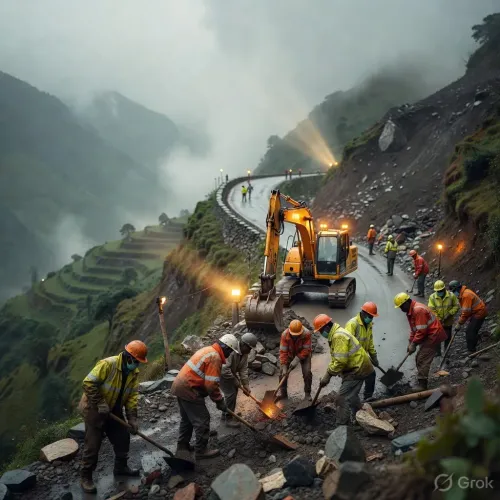
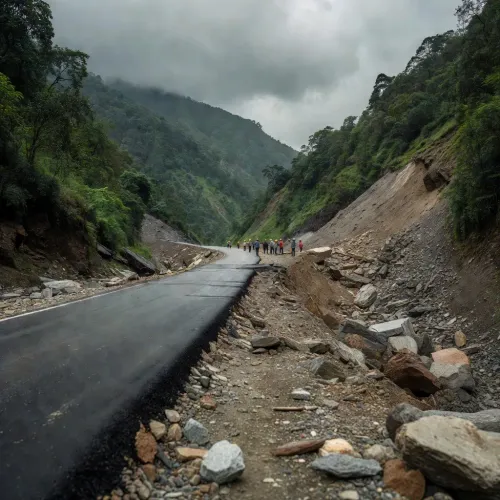
Dehradun, the capital district of Uttarakhand, sits in the Himalayan foothills and is regularly exposed to landslides, cloudbursts, and flash floods, particularly during the monsoon season. Villages such as Majhada and Karligad in hilly micro-catchments are among the localities most susceptible to slope failures and related disasters. The displacement of 14 families from these two settlements reflects the recurring human cost of Uttarakhand's fragile terrain.Policy Backdrop
The Chief Minister's Relief Fund is a state-level emergency corpus maintained by the Uttarakhand government to deliver swift financial assistance to victims of natural calamities and other crises. Its use for temporary shelter support has a long precedent in the state: following the catastrophic 2013 Kedarnath disaster, the fund was drawn upon extensively to arrange interim accommodation and rehabilitation for thousands of displaced families. The current sanction follows that established pattern of short-term, targeted relief while longer-term rehabilitation measures are assessed.Stakeholders and Impact
The 14 affected families of Majhada and Karligad are the direct beneficiaries, receiving assured shelter for six months at a standardised rate of Rs 4,000 per month. This immediate intervention removes them from harm's way in structurally compromised or landslide-prone zones. Dehradun district residents in similarly vulnerable pockets stand to benefit from the precedent this disbursement sets, signalling the state's readiness to activate relief mechanisms promptly after disaster events. Local administration will be responsible for identifying and verifying eligible rented premises and ensuring timely payment to landlords on behalf of the displaced households.What's Next
Attention will now turn to whether the government issues parallel orders for permanent relocation of the two villages or initiates slope-stabilisation and geo-technical works in the affected area. The six-month rental window provides a limited buffer, after which the families will require either a durable housing solution or an extension of relief support. Any further disbursements from the Chief Minister's Relief Fund for this cluster of villages, as well as broader monsoon-preparedness measures across Uttarakhand's high-risk districts, will be closely watched by disaster-management officials and affected communities alike.Point of View
Demonstrating that the state's administrative pipeline from disaster identification to fund release is functional. It also reflects a wider pattern in which Himalayan states rely heavily on chief ministerial relief funds as a first-responder tool, given the frequency and unpredictability of monsoon disasters. The six-month rental window, however, is a stopgap — the harder question of permanent resettlement or slope stabilisation in Dehradun's vulnerable micro-watersheds remains unaddressed. Observers will watch whether this disbursement is followed by structural interventions or simply renewed relief orders when the six months lapse.
NationPress
24 Sept 2026
Frequently Asked Questions
What is the Uttarakhand Chief Minister's Relief Fund?
The Chief Minister's Relief Fund is a state-level emergency corpus maintained by the Uttarakhand government to provide immediate financial assistance to victims of natural calamities, accidents, and other crises. It is activated quickly after disaster events to cover needs such as temporary shelter, medical aid, and rehabilitation support.
How much money has been sanctioned for the Dehradun disaster families?
Rs 3.36 lakh has been sanctioned from the Chief Minister's Relief Fund for 14 families displaced by a natural disaster in villages Majhada and Karligad in Dehradun district.
Where are Majhada and Karligad villages located?
Majhada and Karligad are villages located in Dehradun district , the capital district of Uttarakhand, situated in the Himalayan foothills — an area frequently affected by landslides, cloudbursts, and floods.
How much rent will each displaced family receive per month?
Each of the 14 affected families will receive Rs 4,000 per month for rented accommodation, for a total period of six months .
What happens to the families after the six-month rental period ends?
The six-month rental assistance is a short-term safety measure. After this period, the families will require either a permanent housing solution, relocation, or an extension of relief support — decisions that will depend on further government orders and assessment of conditions in the affected villages.