Uttarakhand dissolves Madrasa Board, launches Minority Education Authority
Synopsis
Uttarakhand Chief Minister Pushkar Singh Dhami has dissolved the state Madrasa Board and announced the creation of the Uttarakhand State Minority Education Authority from 1 July 2026, aiming to bring minority institutions under a unified quality education framework aligned with the National Education Policy 2020.
Key Takeaways
The Uttarakhand Madrasa Board has been dissolved with effect from 1 July 2026 .
A new Uttarakhand State Minority Education Authority will be established from 1 July 2026 to oversee minority education across all communities.
The move is framed around providing 'quality education to all sections of society,' per CM Pushkar Singh Dhami .
The decision aligns with the National Education Policy 2020 's push to integrate traditional institutions into the formal education system.
Uttarakhand joins several other BJP-governed states that have restructured madrasa oversight bodies in recent years.
A formal government notification detailing the new authority's composition, budget, and transition plan is awaited.
The Chief Minister's Office of Uttarakhand announced on Wednesday, 1 July 2026 that the state government has dissolved the Uttarakhand Madrasa Board with immediate effect and will establish the Uttarakhand State Minority Education Authority from 1 July 2026, with the stated aim of providing quality education to all sections of society.
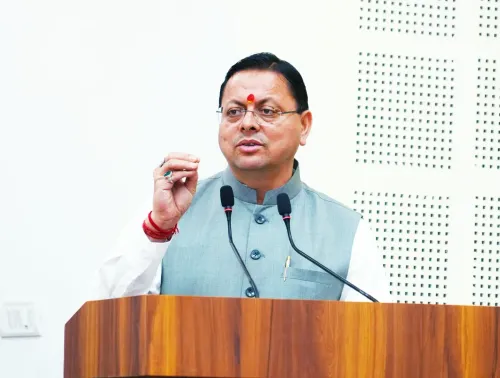
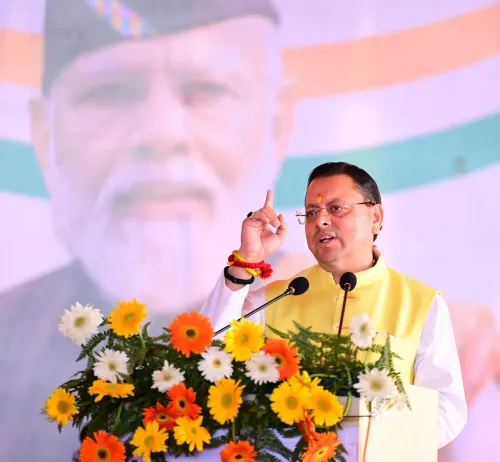
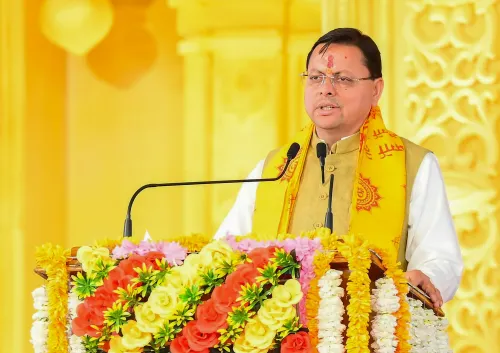
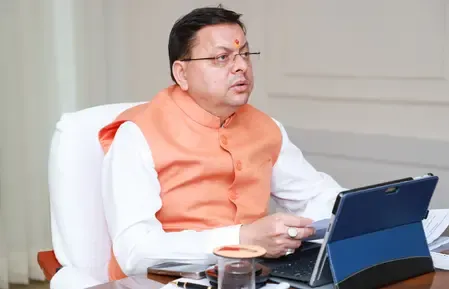
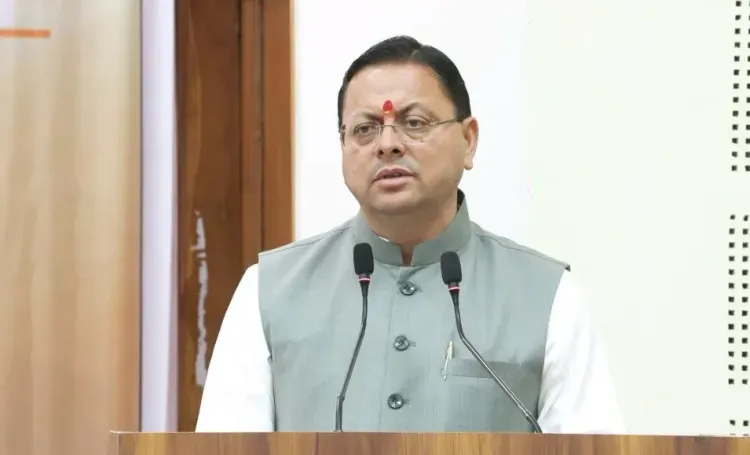
Chief Minister Pushkar Singh Dhami announced the twin decisions, stating: 'With the objective of providing quality education to all sections of society, a decision has been taken to establish the Uttarakhand State Minority Education Authority from 1 July. Along with this, the Madrasa Board in the state has also been dissolved from today.'
Context
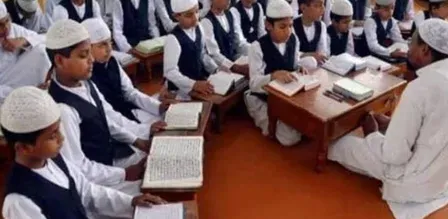
The Uttarakhand Madrasa Board had functioned as the dedicated regulatory body overseeing Islamic seminary education in the state. Its dissolution marks a significant structural shift in how the state government will regulate and monitor minority educational institutions going forward. The new Uttarakhand State Minority Education Authority is intended to serve as a unified body covering all minority communities.
Uttarakhand, carved out of Uttar Pradesh in 2000, has consistently sought to expand schooling access across its hilly and remote districts, where minority populations have historically faced gaps in formal education infrastructure.
Policy Backdrop
The decision aligns with the National Education Policy 2020, which emphasised universal quality education and encouraged the integration of traditional institutions — including madrasas — into the mainstream formal education system. The NEP called for bringing all learners under a common quality and curricular framework regardless of the type of institution they attend.
Several BJP-governed states have undertaken similar restructuring of madrasa oversight bodies in recent years, replacing standalone madrasa boards with broader minority education authorities or integrating madrasa curricula with state board standards. Uttarakhand's move continues this pattern at the state level.
Stakeholders and Impact
The most directly affected groups are minority students currently enrolled in madrasas across Uttarakhand and the teachers and staff employed by those institutions. The transition to the new authority is expected to bring madrasa-affiliated schools under the same regulatory and quality benchmarks applied to other recognised schools in the state.
Proponents argue the change will expand access to mainstream subjects — sciences, mathematics, and languages — for students who previously received a curriculum focused primarily on religious instruction. Critics of similar moves in other states have raised concerns about the preservation of religious and cultural identity within minority educational spaces.
What's Next
The government is expected to issue a formal notification detailing the composition, budget allocation, and transition timeline for the new Minority Education Authority, including how existing madrasa staff and students will be absorbed into the new framework. Stakeholders will be watching closely for clarity on whether current madrasa teachers will retain their positions and how student certifications will be recognised under the restructured system.
The establishment of the authority on 1 July 2026 sets a clear start date, but the administrative groundwork — staffing the new body, mapping existing institutions, and defining its regulatory scope — will determine how smoothly the transition unfolds in the months ahead.
Point of View
Fitting a clear national pattern of replacing standalone madrasa regulators with broader, integrated bodies. The timing — the first day of a new financial half-year — signals administrative intent rather than improvisation. For the Dhami government, the reform serves a dual purpose: it advances the NEP 2020 integration agenda while also carrying political salience in a state that goes to the polls periodically. The real test will be implementation — whether the new authority can retain institutional knowledge from the madrasa system while genuinely expanding curricular access for minority students.
NationPress
1 Jul 2026
Frequently Asked Questions
Why has Uttarakhand dissolved the Madrasa Board?
The Uttarakhand government dissolved the Madrasa Board on 1 July 2026 to replace it with a unified Uttarakhand State Minority Education Authority, with the stated goal of providing quality education to all sections of society under a single regulatory framework aligned with the National Education Policy 2020.
What is the Uttarakhand State Minority Education Authority?
It is a new state body announced by Chief Minister Pushkar Singh Dhami that will oversee minority education across all communities in Uttarakhand, replacing the now-dissolved Madrasa Board and bringing minority institutions under the same quality standards as other recognised schools.
When will the new Minority Education Authority become operational?
The authority is set to be established from 1 July 2026, the same date on which the Madrasa Board was dissolved, though a detailed government notification on its composition and budget is still awaited.
How does Uttarakhand's decision compare to other states?
Several BJP-governed states have undertaken similar restructuring of madrasa oversight bodies in recent years, seeking to align madrasa curricula with state board standards and NEP 2020 goals. Uttarakhand's move follows this broader national pattern.
What happens to madrasa students and teachers after the board is dissolved?
The transition details — including how existing madrasa teachers will be absorbed and how student certifications will be recognised — are expected to be clarified in a forthcoming government notification on the new authority's operational framework.