Uttarakhand Forest Dept Rescues Two Leopard Cubs in Srinagar
Synopsis
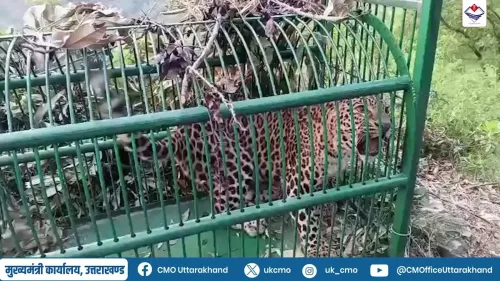
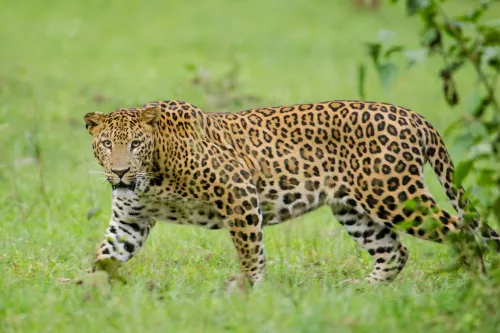
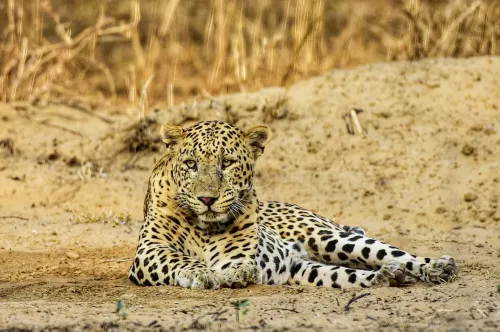
Uttarakhand's Forest Department rescued two leopard cubs in Srinagar, Pauri Garhwal on 23 July 2026. The Chief Minister's Office shared a video of the operation, highlighting the state's active wildlife rescue protocols under the Wildlife (Protection) Act, 1972 amid ongoing human-leopard conflict in the region's hill districts.
Key Takeaways
The Uttarakhand Forest Department rescued two leopard cubs in Srinagar, Pauri Garhwal on 23 July 2026 .
The operation was announced by the Chief Minister's Office of Uttarakhand on X, with a video of the rescue.
Pauri Garhwal is a high human-leopard conflict zone due to habitat fragmentation and expanding settlements near forest land.
Rescue operations are conducted under the Wildlife (Protection) Act, 1972 by dedicated state forest teams.
Uttarakhand records dozens of leopard-related rescue incidents annually, with standardised rehabilitation and release protocols in place.
The rehabilitation status of the two cubs and potential new district-level conflict mitigation guidelines are expected to follow.
The Chief Minister's Office of Uttarakhand announced on Thursday, 23 July 2026 that the state's Forest Department successfully rescued two leopard cubs in Srinagar, a town in the Pauri Garhwal district, in what officials described as a safe and timely operation.
Context
The CMO's post stated: 'Pauri Garhwal jile ke Srinagar mein van vibhag ne guldar ke do shavkon ko kiya surakshit rescue' — ('In Srinagar of Pauri Garhwal district, the Forest Department safely rescued two leopard cubs'). The announcement was accompanied by a video of the operation. No details about the cubs' age, condition, or the precise circumstances of the rescue were provided in the post.
Pauri Garhwal is a forested hill district in Uttarakhand with a documented history of human-leopard interactions. Srinagar, situated along the Alaknanda river valley, sits at the interface of dense forest cover and expanding human settlements, making it a recurring site for wildlife conflict incidents.
Policy Backdrop
Uttarakhand's Forest Department maintains dedicated wildlife rescue teams operating under the Wildlife (Protection) Act, 1972. These teams have handled leopard conflict cases across the state's hill districts for over a decade, with standardised protocols covering cub rescue, short-term care, rehabilitation, and eventual release.
Leopard rescues are a recurring feature of wildlife management in Uttarakhand, driven by habitat fragmentation, livestock predation, and the steady expansion of human settlements into forest fringes. The state records dozens of such incidents each year. The CMO's office regularly highlights these operations on official social media as part of its governance communication on wildlife management.
Stakeholders and Impact
Local residents of Srinagar and surrounding areas are the most immediately affected stakeholders, as the presence of leopard cubs near human habitation raises safety concerns for both communities and the animals. Forest Department field staff and wildlife rescuers bear the operational responsibility of ensuring the cubs are secured without harm to the animals or personnel.
For the broader district, successful rescue operations signal an active state response to human-wildlife conflict — a concern that has grown with increasing encroachment on forest land across Uttarakhand's Himalayan belt.
What's Next
The rehabilitation status of the two rescued cubs is expected to be the immediate focus for forest officials, with assessments of the cubs' health and eventual decisions on release or longer-term care to follow. Observers will watch for any new district-level guidelines on leopard conflict mitigation that the state government may issue in the coming months, particularly as monsoon season drives wildlife closer to human settlements.
Point of View
Particularly in hill districts where human-animal conflict shapes voter sentiment. Uttarakhand's Forest Department has built institutional muscle for such rescues over more than a decade, but the frequency of incidents points to unresolved structural pressures — chiefly habitat loss and settlement expansion — that individual rescues cannot address. The post's brevity, with no mention of rehabilitation plans or conflict mitigation measures, is characteristic of CMO-level announcements that prioritise optics over policy detail. Sustained public attention to the cubs' post-rescue fate could nudge the administration toward more substantive disclosure on its wildlife management framework.
NationPress
23 Jul 2026
Frequently Asked Questions
Where were the two leopard cubs rescued in Uttarakhand?
The two leopard cubs were rescued in Srinagar, a town in Pauri Garhwal district, Uttarakhand, on 23 July 2026.
Which department carried out the leopard cub rescue in Pauri Garhwal?
The Uttarakhand Forest Department carried out the rescue operation, as announced by the Chief Minister's Office on X.
Why are leopard rescues common in Uttarakhand?
Leopard rescues are frequent in Uttarakhand due to habitat fragmentation, livestock predation, and expanding human settlements encroaching on forest land in the hill districts.
What happens to leopard cubs after they are rescued in Uttarakhand?
Rescued leopard cubs are typically assessed for health, placed in short-term care, rehabilitated, and eventually released under protocols established by the Forest Department under the Wildlife (Protection) Act, 1972.
How does Uttarakhand handle human-leopard conflict?
Uttarakhand maintains dedicated wildlife rescue teams under the Wildlife (Protection) Act, 1972 that respond to conflict cases, conduct rescues, and follow standardised rehabilitation and release procedures.