Uttarakhand Forest Dept Cracks Down on Pauri Garhwal Wildfires
Synopsis
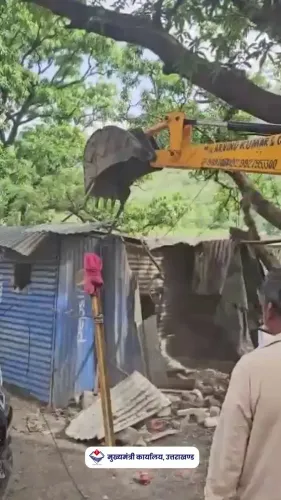
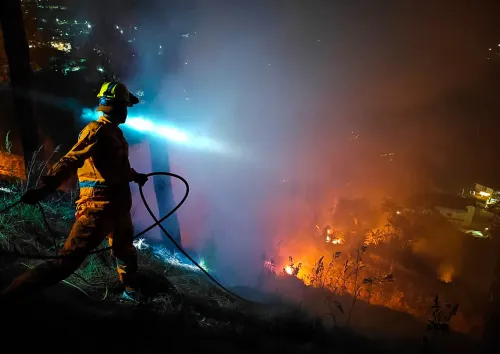
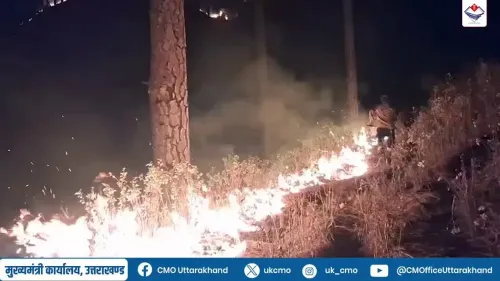
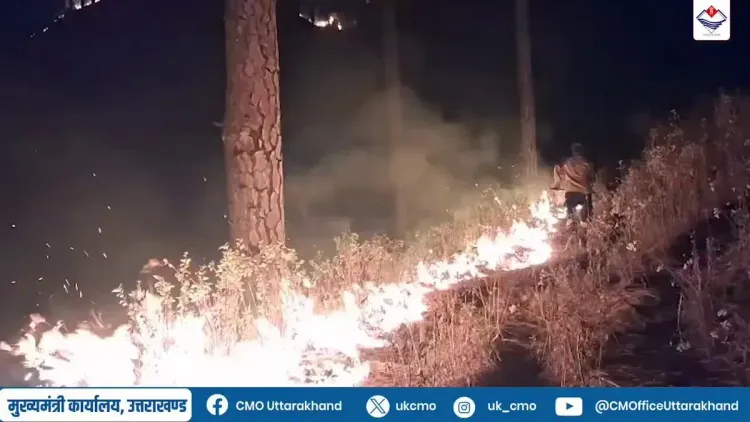
The Uttarakhand Forest Department has launched a strict crackdown on forest fires in Pauri Garhwal, with FIRs being registered against those responsible for starting fires. The move escalates enforcement beyond prevention, targeting deliberate ignition in one of the state's most fire-prone districts.
Key Takeaways
The Chief Minister's Office of Uttarakhand announced on 25 May 2026 that the Forest Department is taking strict action against forest fire incidents in Pauri Garhwal .
FIRs are being registered against individuals found responsible for starting fires in the district.
Pauri Garhwal lies in the Garhwal region and contains extensive pine forests highly susceptible to seasonal wildfires.
Uttarakhand has recorded thousands of forest fire incidents annually, with deliberate ignition identified as a persistent cause.
The state introduced satellite-linked early warning systems and stricter enforcement guidelines in 2021 following large-scale fires in 2016 .
Follow-up convictions from the registered FIRs will be a critical test of the enforcement drive's deterrent impact.
The Chief Minister's Office of Uttarakhand announced on Monday, 25 May 2026 that the Uttarakhand Forest Department has taken strict measures to curb forest fire incidents in Pauri Garhwal district, with FIRs being registered against individuals found responsible for starting fires.
Context
The official post from the Chief Minister's Office states: 'Janapad Pauri Garhwal mein vanaagni ki ghatnaaon ki roktham ke liye van vibhag ne uthaye sakhta kadam. Aag lagane walon ke khilaf darj ho rahi FIR' ('The Forest Department has taken strict steps to prevent forest fire incidents in Pauri Garhwal district. FIRs are being registered against those who start fires'). The announcement signals a shift toward active criminal enforcement alongside conventional fire-prevention works in the district.
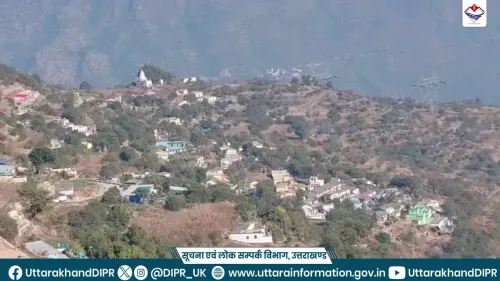
Pauri Garhwal is a district in Uttarakhand's Garhwal region characterised by extensive pine forests that are highly susceptible to seasonal wildfires. The district has historically recorded a significant share of the state's annual fire incidents, particularly during the dry summer months of April through June.
Policy Backdrop
Uttarakhand records several thousand forest fire events each year, concentrated in pine-dominated stretches of the Garhwal and Kumaon divisions. The state expanded community-based Van Panchayat involvement and created additional fire lines following large-scale fires in 2016. In 2021, stricter enforcement guidelines and satellite-linked early warning systems were introduced to improve detection and response.
These measures form part of India's wider national strategy for forest fire management under the Ministry of Environment, Forest and Climate Change. The use of remote sensing for real-time hotspot detection has allowed forest officials to mobilise ground teams faster, though deliberate ignition — often linked to land-clearing practices — has remained a persistent challenge across Himalayan districts.
Stakeholders and Impact
The most immediate stakeholders are local villagers and forest-dependent communities in Pauri Garhwal, whose livelihoods, water sources, and grazing lands are threatened by recurring fire damage. Uncontrolled wildfires destroy biodiversity, accelerate soil erosion on fragile Himalayan slopes, and degrade air quality across the region.
The registration of FIRs against alleged arsonists marks an escalation from advisory and preventive measures to direct legal accountability. For communities that depend on forests for fodder, timber, and non-timber forest produce, effective enforcement offers both ecological and economic protection.
What's Next
The Uttarakhand Forest Department is expected to release cumulative data on the 2026 forest fire season, including the number of incidents recorded across districts and the area of forest cover affected. Follow-up convictions from the FIRs registered in Pauri Garhwal will be a key indicator of whether the enforcement drive translates into a deterrent effect in subsequent fire seasons.
Sustained legal action, combined with community engagement through Van Panchayats and continued investment in satellite-based early warning infrastructure, will determine whether the 2026 crackdown produces a measurable reduction in deliberate fire incidents across Uttarakhand's vulnerable forest districts.
Point of View
Framing the issue as a law-and-order matter alongside an environmental one. This approach mirrors a broader pattern seen across Himalayan states where governments have faced criticism for inadequate deterrence against deliberate ignition. By anchoring accountability at the individual level, the administration is also attempting to pre-empt political criticism during what is typically the most damaging stretch of the fire season. Whether the enforcement translates into convictions and reduced incidents will be the real measure of this escalation.
NationPress
10 Oct 2026
Frequently Asked Questions
Why are FIRs being registered for forest fires in Pauri Garhwal?
The Uttarakhand Forest Department is registering FIRs against individuals found responsible for deliberately starting fires in Pauri Garhwal as part of a strict crackdown announced on 25 May 2026.
Which district in Uttarakhand is most affected by forest fires?
Pauri Garhwal is among the most fire-prone districts in Uttarakhand due to its extensive pine forests, which are highly susceptible to seasonal wildfires during the dry summer months.
What steps has Uttarakhand taken to prevent forest fires?
Uttarakhand has expanded Van Panchayat involvement, created fire lines, introduced satellite-linked early warning systems in 2021, and now registering FIRs against arsonists as part of its forest fire management strategy.
What is the role of Van Panchayats in forest fire prevention in Uttarakhand?
Van Panchayats are community-based bodies that assist the Forest Department in monitoring and maintaining forest areas, including creating fire lines and alerting authorities to fire incidents.
How many forest fires does Uttarakhand record each year?
Uttarakhand records several thousand forest fire events annually, concentrated in the pine-dominated areas of Garhwal and Kumaon divisions, with the peak season running from April to June.