Uttarakhand to launch ₹1 lakh reward scheme to curb forest fires in 2026
Synopsis
Uttarakhand is moving to put cash on the table — up to ₹1 lakh — for citizens who help fight forest fires, as the state battles 394 incidents already in 2026 alone. With a decade-long toll of 14,638 fires and 35 deaths, the reward scheme is the headline piece of a far larger mobilisation that includes Pirul collection incentives, 5,625 deployed fire watchers, and an IMD weather-forecasting partnership.
Key Takeaways
Uttarakhand plans a reward scheme offering up to ₹1 lakh for individuals and teams excelling in forest fire prevention and control.
Over the past decade, the state recorded 14,638 forest fire incidents , burning 23,682.77 hectares and killing 35 people .
In 2026 alone, 394 incidents have been reported, affecting 331.12 hectares with one fatality so far.
Districts including Almora , Pauri Garhwal , Nainital , and Pithoragarh are categorised as highly fire-vulnerable.
The Pine Pirul Collection Scheme pays residents ₹10 per kg for collecting dry pine needles; 13,003.56 tonnes collected over four years.
5,625 fire watchers were deployed in 2026, each insured for up to ₹10 lakh under a group accident scheme.
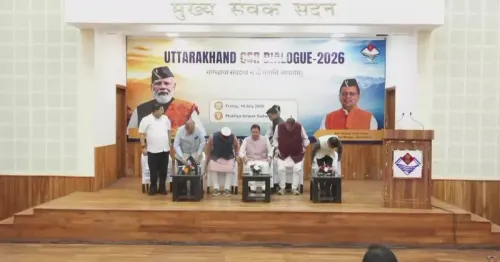
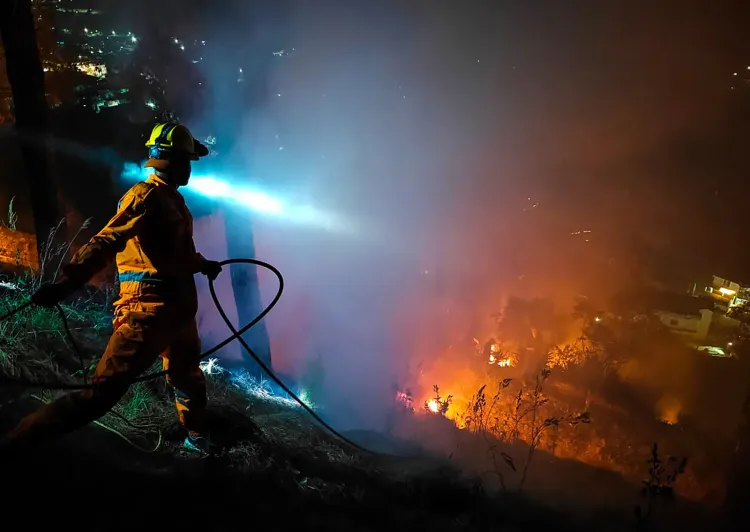
The Uttarakhand state government is set to introduce a cash reward scheme of up to ₹1 lakh to incentivise public participation in forest fire prevention and control, officials announced on Tuesday, 27 May 2026, at a press conference in Dehradun. The proposal, part of the state's 'Forest Fire Control and Management 2026' strategy, comes as fire incidents continue to spread across the state's mountainous terrain at an alarming pace.
What the Reward Scheme Proposes
Chief Conservator of Forests (Forest Fires) Sushant Patnaik said the government will soon submit a formal proposal to formalise the reward structure. Individuals and teams demonstrating exceptional performance in extinguishing or preventing forest fires will be eligible for prizes of up to ₹1 lakh, with additional tiers of ₹75,000 and ₹51,000 also designated. Forest Minister Subodh Uniyal and Head of the Forest Department Ranjan Mishra were present at the briefing.
Scale of the Crisis: A Decade in Numbers
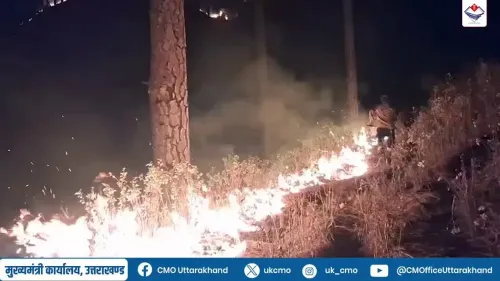
Data presented at the press conference painted a stark picture of the long-term damage. Over the past decade, Uttarakhand recorded 14,638 forest fire incidents, scorching nearly 23,682.77 hectares of forest land. A total of 35 people lost their lives and another 76 sustained injuries during this period. In 2026 alone, 394 incidents have already been reported, affecting around 331.12 hectares, with one human fatality recorded so far this year.
Patnaik attributed the rising frequency to a combination of rising global temperatures, prolonged dry spells, erratic monsoon patterns, and climatic phenomena including El Niño. The India Meteorological Department's Meteorological Centre in Dehradun has forecast further temperature rises and dry weather in the coming days, heightening the risk of additional incidents.
Infrastructure and Response Mechanisms
The Uttarakhand Forest Department currently operates across 11 Regional Forest Circles, 43 Forest Divisions, 283 Ranges, and 2,393 Beats. The department has established an Integrated Command and Control Centre at the headquarters level, supported by 1,438 crew stations, 40 master control rooms, and 174 fire watcher towers statewide.
Communication infrastructure has been bolstered with 45 wireless repeater sets, 488 base sets, 1,548 walkie-talkie handsets, 248 mobile sets, and 1,507 GPS sets. A total of 13,085.03 kilometres of fire lines have been prepared as containment measures. During the 2026 fire season, 5,625 fire watchers were deployed, each covered under a group accident insurance scheme of up to ₹10 lakh per person.
Community Participation and the Pirul Scheme
To simultaneously address fire risk and generate rural livelihoods, the department is running the 'Pine Pirul Collection Scheme', under which residents earn ₹10 per kilogram for collecting dry pine needles — a key fire accelerant locally called Pirul. Over the past four years, 13,003.56 tonnes of Pirul have been collected, with a 2026 target of 8,555 tonnes. Nine Pirul-based pellet and briquette production units are currently operational across the state.
Additionally, 496 Forest Fire Protection and Management Committees have been formed at the Gram Panchayat and cluster levels, with each committee receiving an incentive of ₹30,000. The department also organised 3,235 public awareness programmes in 2026, reaching 81,414 participants. The state observes 'Agni Diwas' (Fire Day) as part of its awareness calendar.
High-Risk Districts and What Comes Next
Forest Fire Risk Zonation Mapping has flagged Almora, Pauri Garhwal, Tehri Garhwal, Uttarkashi, Nainital, and Pithoragarh as highly vulnerable districts. The department has signed an MoU with the India Meteorological Department for customised forest fire forecasts and has conducted mock drills in all districts. Under the World Bank-funded U-PREPARE scheme, firefighting equipment including fire rakes, protective suits, and helmets has been distributed to forest divisions. Notably, Uttarakhand classified forest fires as a 'natural calamity' as far back as 2003 — a recognition that underscores the enduring severity of the challenge. The formal reward scheme proposal is expected to be submitted to the government shortly.
Point of View
638 fires over a decade and a high-risk zone covering some of the state's most densely forested and populated hill districts, the crisis is structural — not seasonal. The Pirul collection incentive is the smarter long-term bet: it removes a key fire accelerant while creating rural income, addressing cause rather than consequence. The reward scheme, however, risks becoming symbolic unless the proposal clears government approval before the peak fire season passes. The deeper question is whether community incentives can compensate for the infrastructure gaps that a state with 11 regional circles and 2,393 beats still struggles to bridge across difficult mountain terrain.
NationPress
26 Sept 2026
Frequently Asked Questions
What is Uttarakhand's proposed forest fire reward scheme?
The Uttarakhand government plans to introduce a cash reward scheme for individuals and teams who perform exceptional work in extinguishing or preventing forest fires. Prizes of up to ₹1 lakh, along with tiers of ₹75,000 and ₹51,000, have been proposed; the formal proposal is yet to be submitted to the government.
How severe is the forest fire situation in Uttarakhand in 2026?
As of 27 May 2026, Uttarakhand has recorded 394 forest fire incidents, affecting approximately 331.12 hectares of land and claiming one human life. Over the past decade, the state logged 14,638 incidents, burning 23,682.77 hectares and killing 35 people.
Which districts in Uttarakhand are most at risk from forest fires?
Forest Fire Risk Zonation Mapping has classified Almora, Pauri Garhwal, Tehri Garhwal, Uttarkashi, Nainital, and Pithoragarh as highly sensitive to forest fire risk. These districts are considered priority areas for deployment of fire watchers and containment resources.
What is the Pine Pirul Collection Scheme and how does it help?
The Pine Pirul Collection Scheme pays local residents ₹10 per kilogram for collecting dry pine needles, known as Pirul, which are a major fire accelerant in Uttarakhand's forests. Over four years, 13,003.56 tonnes have been collected; the 2026 target is 8,555 tonnes. Nine Pirul-based pellet and briquette units are currently operational.
What infrastructure has Uttarakhand deployed to manage forest fires?
The state has set up an Integrated Command and Control Centre, 1,438 crew stations, 40 master control rooms, and 174 fire watcher towers. Communication equipment includes 1,548 walkie-talkie handsets and 1,507 GPS sets. Over 13,085 kilometres of fire lines have been prepared, and an MoU with the India Meteorological Department provides customised fire-risk forecasts.